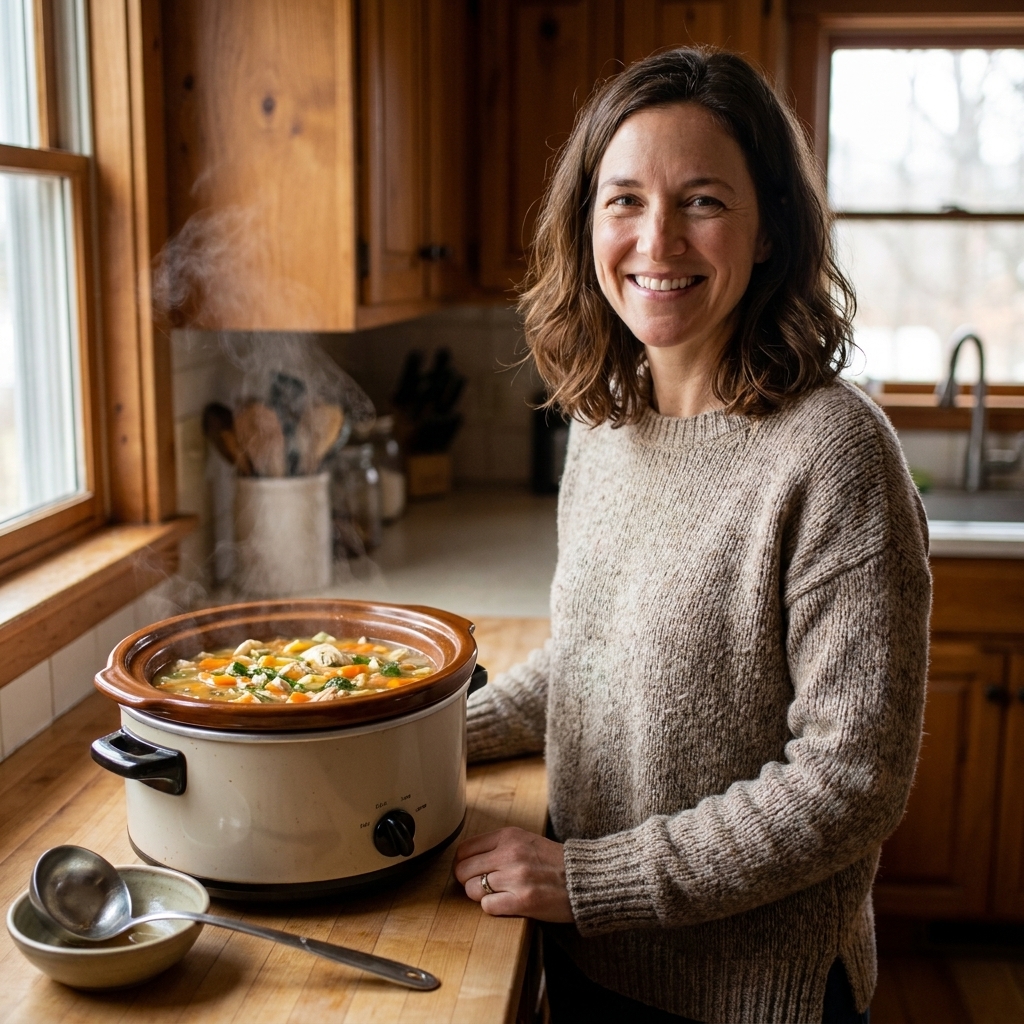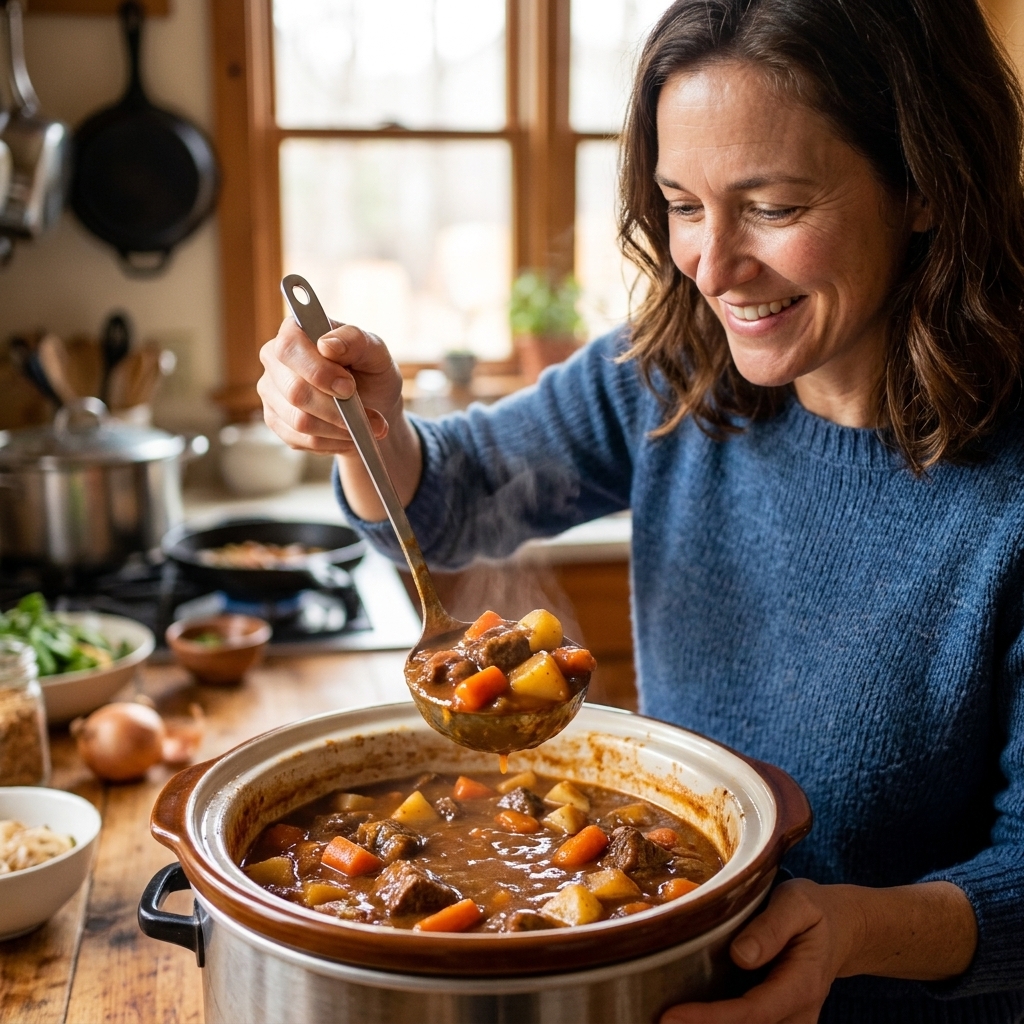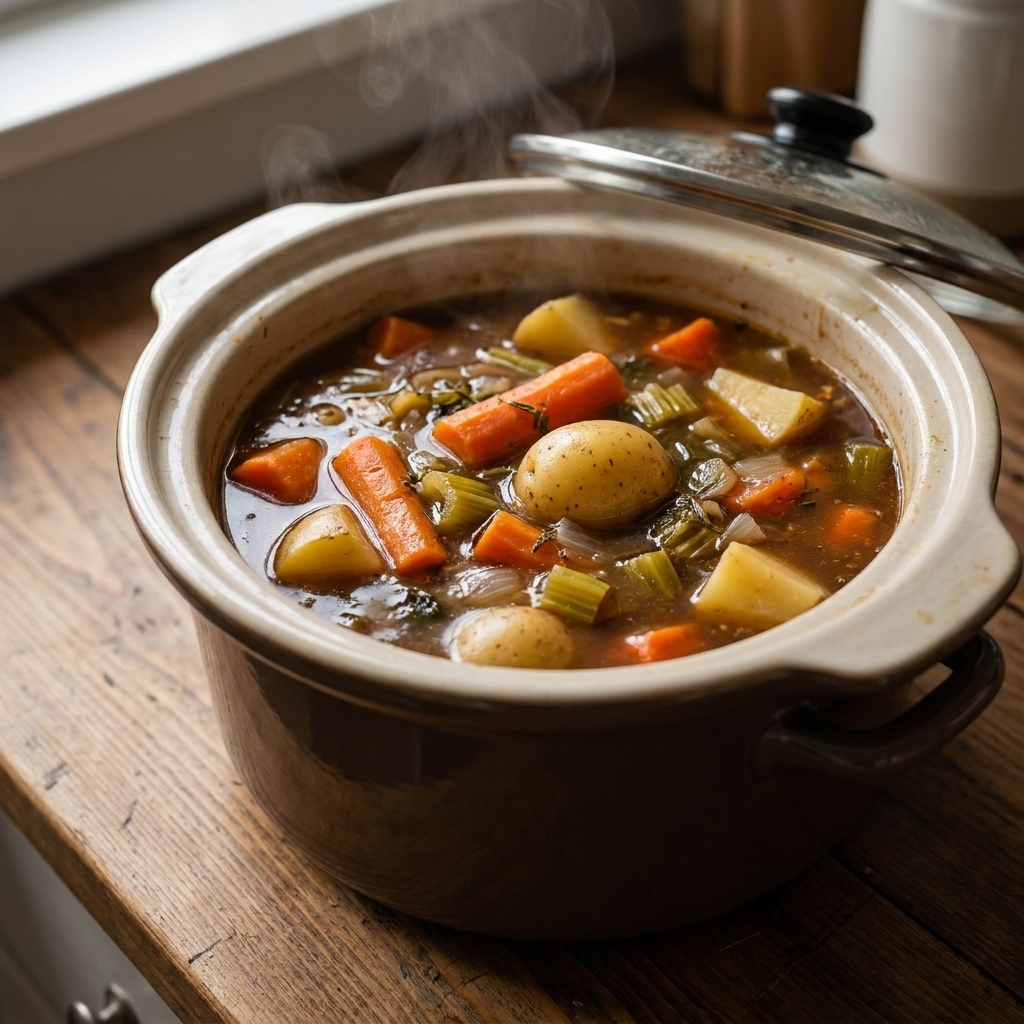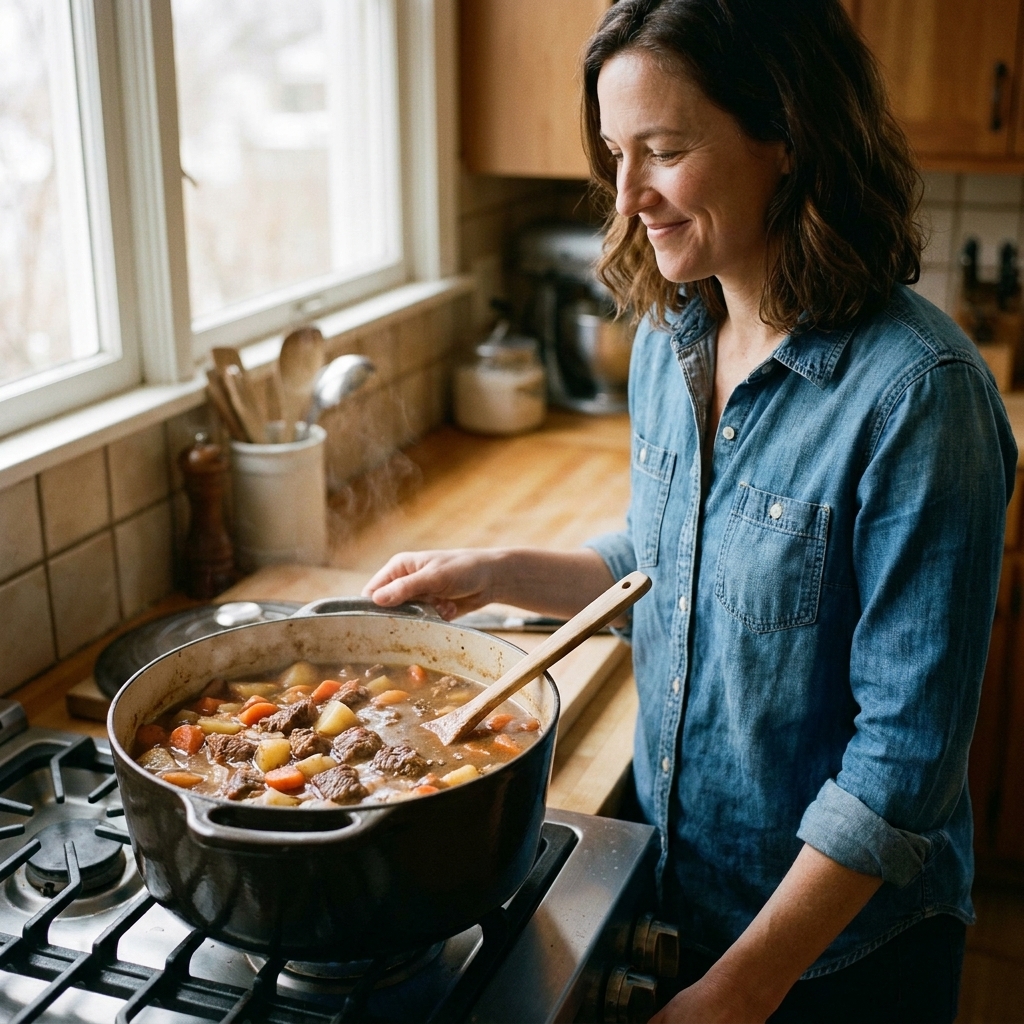
If you have ever made a slow cooker soup that smelled amazing all day, then somehow tasted a little muted at dinner, you are not alone. Long, gentle cooking is wonderful for tenderness and comfort, but it does not automatically create flavor. Flavor is something we build on purpose, in layers, from the first sizzle to the final squeeze of acid.
Up here in upstate New York, I learned this the hard way during many snowy winters: the slow cooker is a tool, not a magic wand. The good news is that a handful of small, fast steps before anything hits the crock can take your stew from “fine” to “please give me the recipe.”
What flavor layering means
Flavor layering is simply building taste in stages so the final bowl has depth: savory notes from browned meat, sweetness from softened onions, warmth from bloomed spices, and brightness from a finishing splash of something acidic.
Think of it like stacking blankets on a cold night. One thin layer helps, but several different layers together are what makes you cozy.
- Base layer: fat, aromatics, and salt
- Middle layers: browning, deglazing, spices, umami boosters
- Long-cook layer: collagen-rich meat, beans, sturdy vegetables, broth
- Finish layer: acid, fresh herbs, good oil or butter, crunchy toppings
Sear your meat well
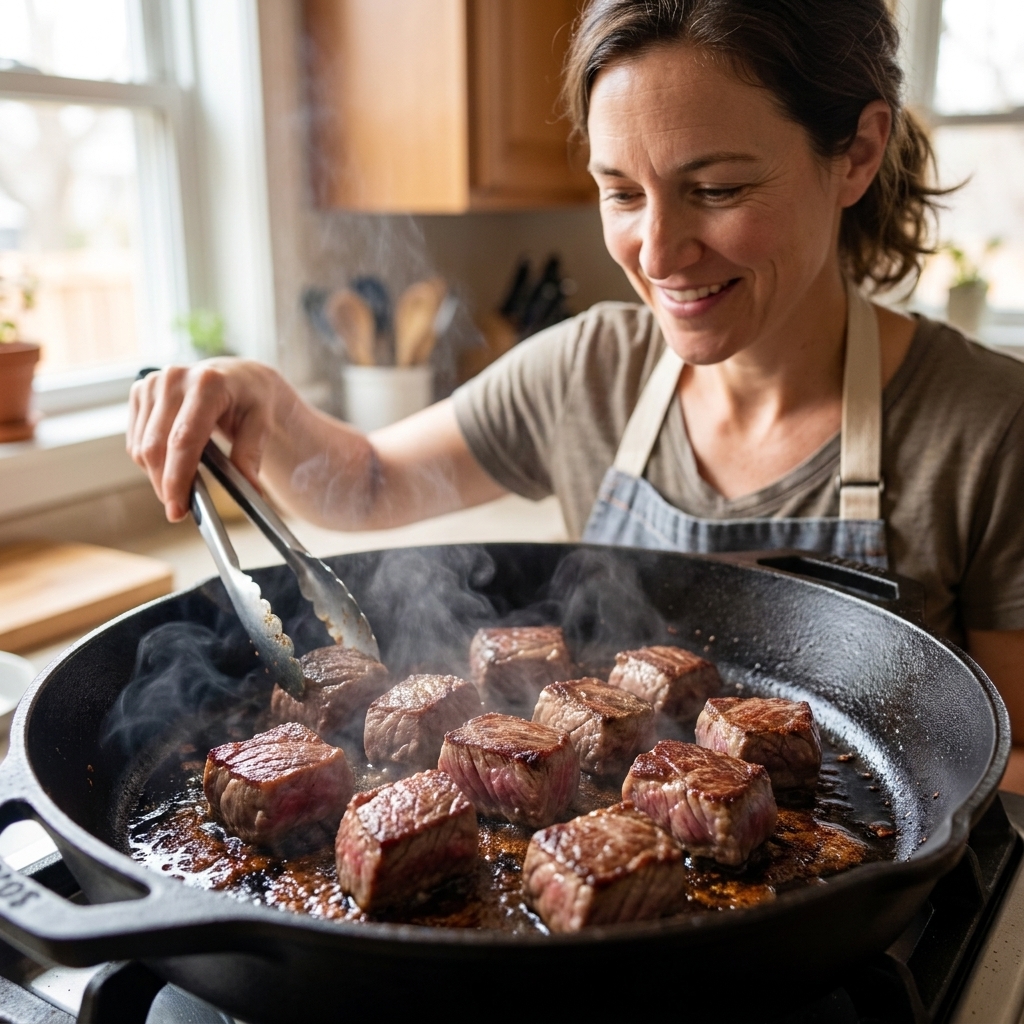
Searing is not about “locking in juices.” It is about browning, and browning is flavor. When meat hits a properly hot pan, proteins and sugars react and create a whole range of deeply savory, roasty compounds. That is the backbone you taste in great stews.
How to sear for the slow cooker
- Dry the meat: Pat it with paper towels. Moisture is the enemy of browning.
- Salt early: Salt the meat 15 to 30 minutes before searing if you can. Even 5 minutes helps.
- Work in batches: Overcrowding steams the meat. Give pieces breathing room.
- Use high heat, then do not fuss: Let the meat sit until it releases and you see a dark brown crust.
- Pick the right fat: Neutral oil, ghee, bacon fat, or a little beef tallow all work well.
If you are doing chicken thighs, you can sear skin-side down until the skin is deeply golden, then the slow cooker finishes the tender part. For ground meat chili, brown until you get dark bits and some crisp edges, not just gray crumbles.
Deglaze the pan
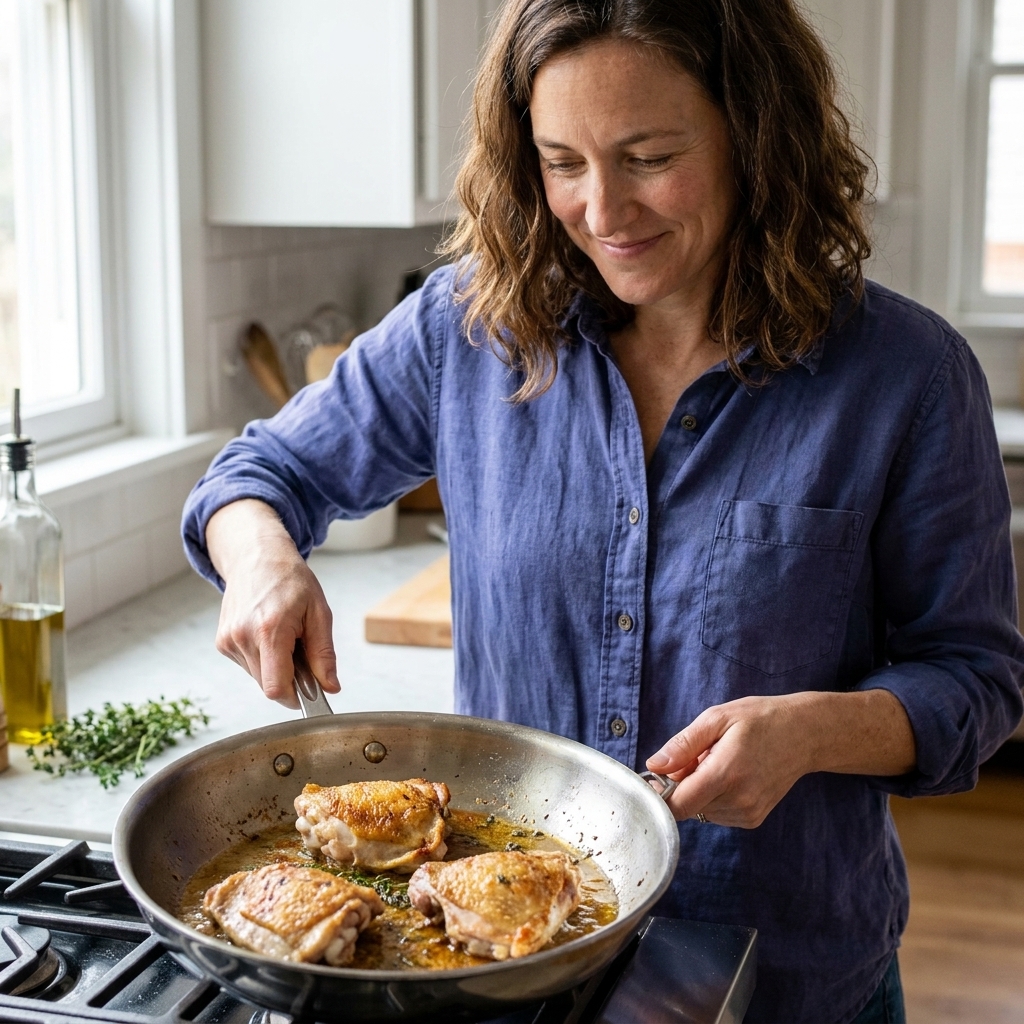
After searing, the bottom of your pan should have a sticky, browned layer. That is fond, and it is basically concentrated flavor. If you rinse the pan or leave those bits behind, you are throwing away the best part of the pre-slow-cooker work.
Deglazing basics
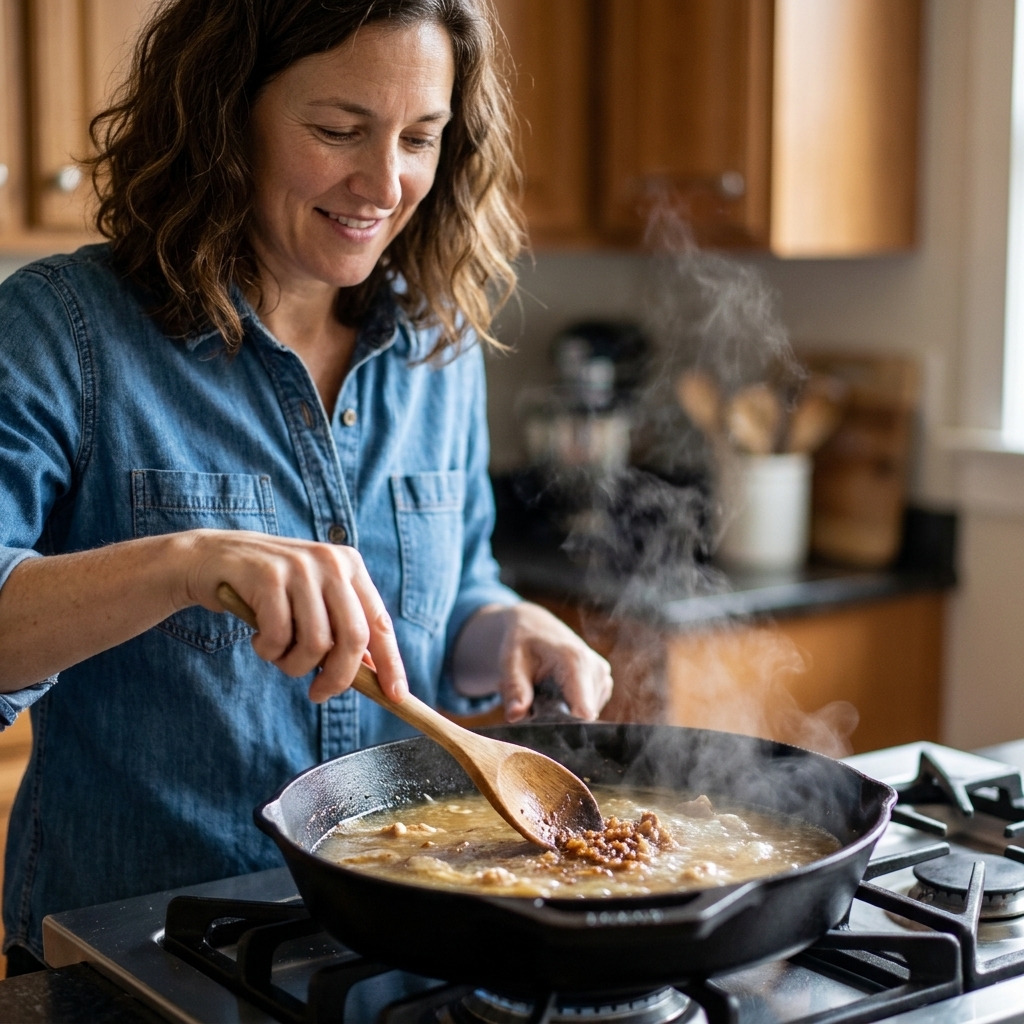
With the pan hot (but not smoking), pour in a small amount of liquid and scrape with a wooden spoon to dissolve the fond. Then pour that whole flavorful slurry into the slow cooker.
If the pan is ripping hot, pull it off the burner for 30 seconds before you add wine or broth. Liquids can splatter when they hit a very hot surface, so pour carefully and stand back.
- For beef: red wine, beef broth, dark beer, or even water in a pinch
- For chicken or turkey: white wine, chicken broth, cider, or a splash of lemony stock
- For pork: apple cider, beer, or broth with a spoon of Dijon
- For vegetarian: vegetable broth, wine, or tomato juice with a splash of soy sauce
A good rule of thumb is 1/4 to 3/4 cup liquid, depending on how much fond you have. You are not trying to make soup in the skillet. You are just lifting the good stuff and sending it into the pot.
Bloom your spices
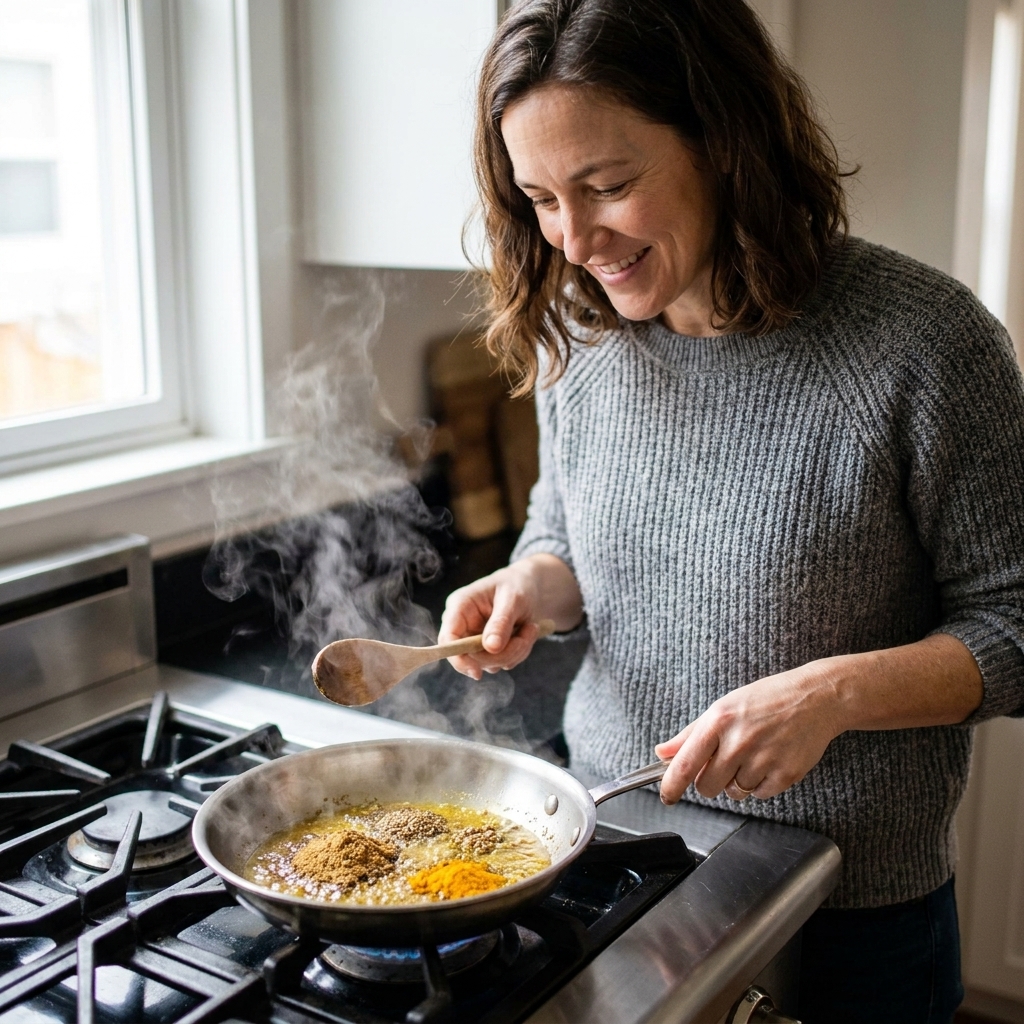
Blooming spices means briefly warming them in fat so their flavor compounds dissolve and their aromatics wake up. Tossing dry spices directly into a watery slow cooker can leave them tasting dusty or one-note.
Quick bloom method
After you sauté aromatics (or after you deglaze and wipe the pan out if it is very dark), add a tablespoon or two of oil or fat and toast spices for 30 to 60 seconds, just until fragrant. Do not let them darken. Then scrape them into the slow cooker.
- Great candidates for blooming: cumin, chili powder, paprika, curry powder, garam masala, coriander, fennel, caraway
- Be careful with: garlic powder and sweet paprika on high heat, since they can scorch fast
If you are making chili, this is the moment that makes it taste like it simmered on a stovetop all afternoon. It also helps your kitchen smell like you have your life together, even if you are wearing mismatched socks.
Build an aromatic base
Onions, carrots, celery, garlic, leeks, scallions, ginger, bell peppers. These are not just “extras.” They are the base that holds up a long cook.
Two ways to do it
- Best flavor: Sauté aromatics in the same pan you seared in, using the leftover fat and any fond you did not deglaze completely. Cook until soft and lightly golden.
- Real-life fast method: Add them raw to the slow cooker, but plan on stronger finishers later (acid, herbs, umami) so the pot still feels developed.
If you have time for only one step besides dumping ingredients in, make it either searing or sautéing aromatics. Either one adds a “cooked” depth that raw slow cooker soups sometimes miss.
Use depth boosters
Restaurant soups taste “round” because they rely on more than salt. You can get that same effect at home with a few pantry helpers. Use these as small layers, not heavy-handed additions.
My favorite options
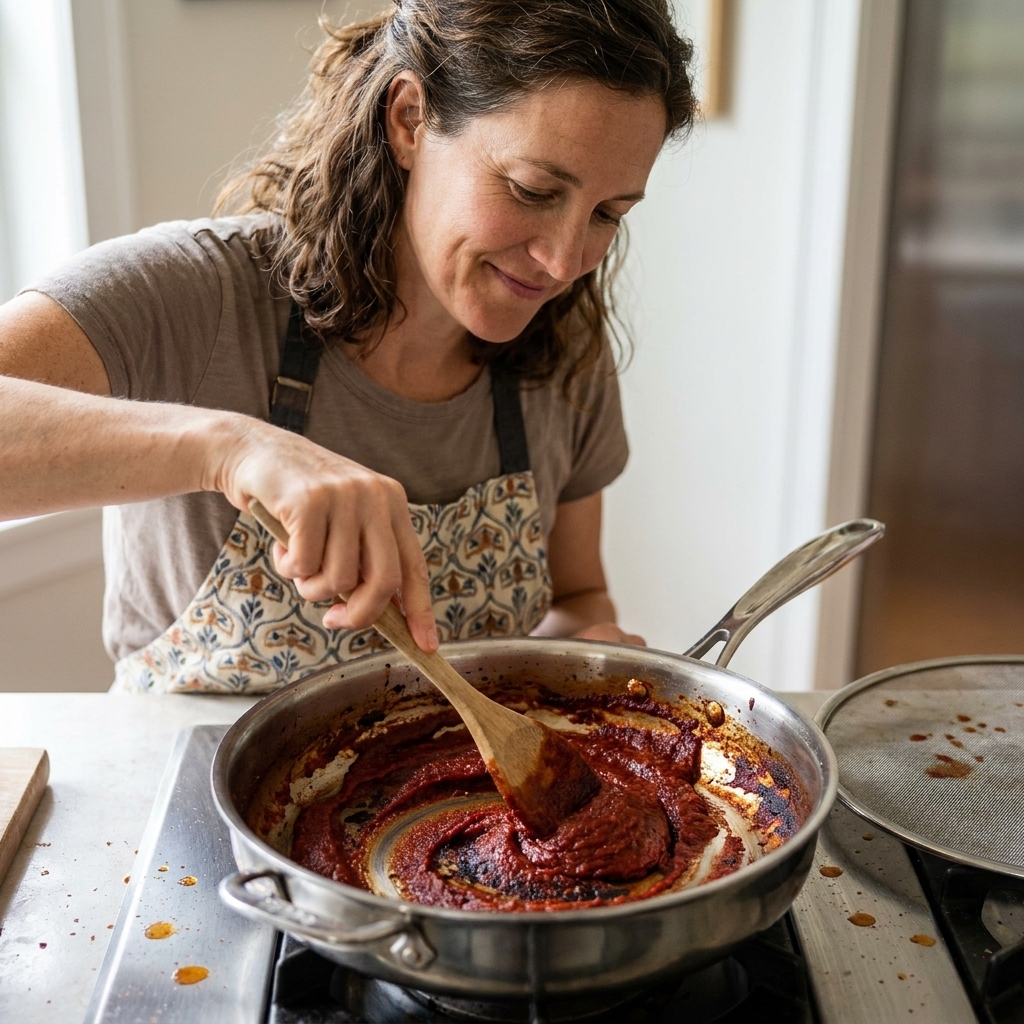
- Tomato paste: Cook it in the pan for 1 to 2 minutes until it darkens slightly before adding liquid. This takes away the raw tang and adds richness.
- Miso: Stir in at the end, off heat, so it stays smooth and fragrant. White miso is gentle, red miso is bolder.
- Soy sauce or tamari: A teaspoon or two can wake up beef stew, mushroom soup, and lentil anything.
- Worcestershire: Classic for beef, chili, and even turkey soup.
- Anchovy paste or a single anchovy: It melts into the background and makes everything taste meatier. It does not taste fishy when used lightly.
- Parm rind: Simmer a rind in soups with beans or greens, then remove before serving.
Start with small amounts. You can always add more, but it is hard to take it out once the pot tastes like “oops, too much Worcestershire.”
What goes in when
Slow cooking is forgiving, but ingredients have different breaking points. If everything goes in at once, you can end up with mushy vegetables and dull herbs.
Add early
- Tough cuts of meat: chuck, brisket, pork shoulder, lamb shank
- Root vegetables: carrots, parsnips, turnips, rutabaga
- Tomatoes, broth, stock, wine
- Hard herbs and spices: bay leaves, thyme sprigs, rosemary sprigs, dried oregano
Add late
- Quick vegetables: peas, corn, spinach, kale ribbons, zucchini
- Fresh herbs: parsley, dill, basil, cilantro
- Dairy: cream, sour cream, yogurt (temper if needed)
- Seafood: shrimp, fish pieces
- Bright acids: lemon juice, vinegar, pickled brine
Some recipes do cook with acidic bases (tomatoes and wine are classics), but a little fresh acid at the end is often what makes the whole pot taste awake.
Salt smart
Salt is tricky in the slow cooker because liquids reduce less than they do on the stovetop, and salty ingredients (broth, cured meat, canned tomatoes) can stack up fast.
- Season in layers: Salt the meat before searing, then go lighter on the pot at the start.
- Taste near the end: Final seasoning is best in the last 30 minutes.
- Watch salty add-ins: bacon, ham, bouillon, soy sauce, cheese rinds
If your stew tastes flat, it might need salt. If it tastes loud but still boring, it usually needs acid and a fresh finish, not more salt.
Fix watery soup
Watery is one of the most common slow cooker complaints, and it is usually a liquid issue, not a talent issue.
Three easy ways to thicken
- Vent and concentrate: Crack the lid and cook on high for 15 to 30 minutes to let some moisture escape.
- Cornstarch slurry: Stir together 1 tablespoon cornstarch with 1 tablespoon cold water, then stir it in and cook 10 to 15 minutes until slightly thickened. Double it for a big pot.
- Blend a portion: Scoop out a cup or two of beans or vegetables, blend until smooth, then stir back in for body without heaviness.
Next time, use less liquid. Slow cookers trap moisture, and vegetables release a surprising amount all on their own.
Finishing touches
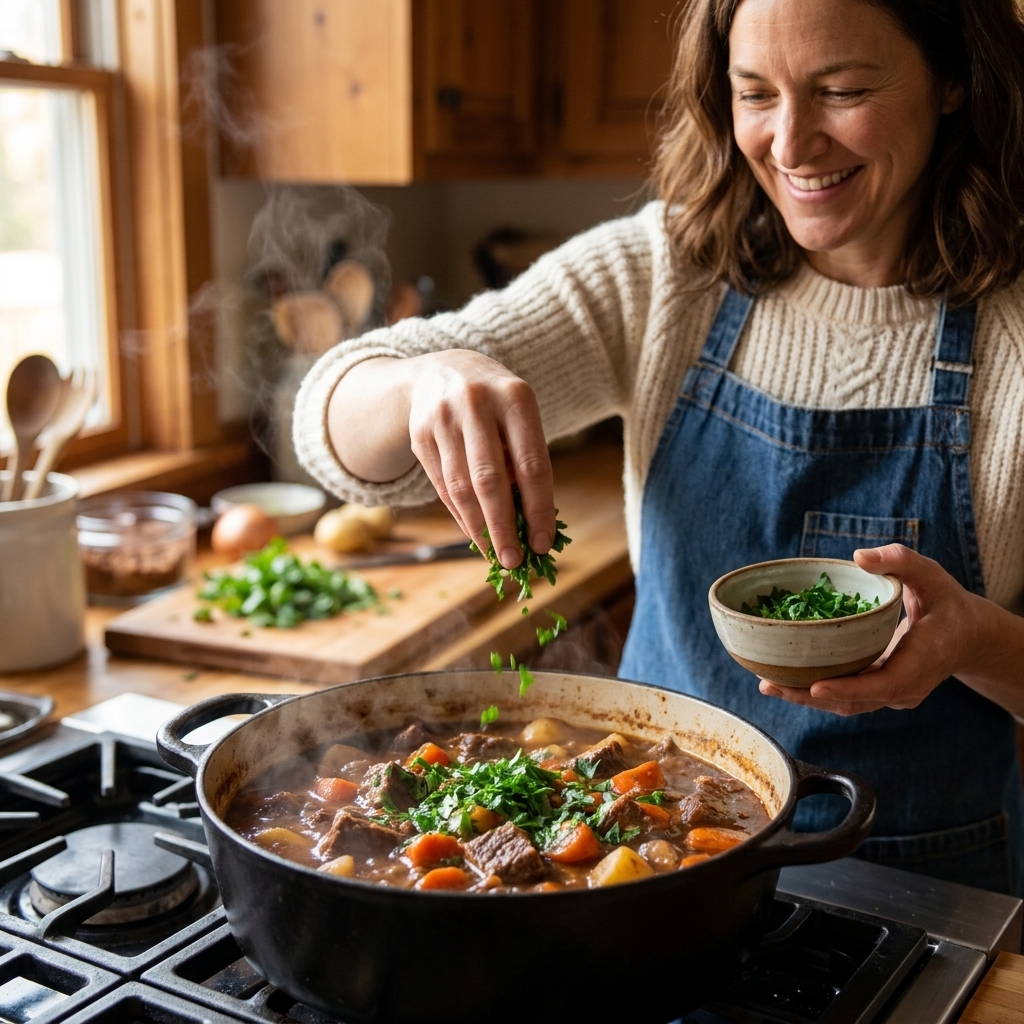
This is my favorite part because it is fast, and it makes a slow cooker meal feel intentional. Pick one from each category if you can.
Brighten
- Lemon juice or zest
- Red wine vinegar, sherry vinegar, or apple cider vinegar
- A spoonful of pickled jalapeño brine
- A little tomato for chili, a little citrus for chicken soups
Freshen
- Parsley for almost everything
- Dill for chicken, potatoes, and creamy soups
- Cilantro and scallions for chili and tortilla-style soups
- Fresh garlic grated in at the end for a gentle bite
Round it out
- A pat of butter stirred in off heat
- A drizzle of good olive oil
- A spoon of pesto in tomato-free soups
- A swirl of cream in bisques and chowders
Add texture
- Toasted breadcrumbs or croutons
- Crunchy tortilla strips for chili
- Roasted nuts or seeds for lentil soups
- Grated Parmesan or sharp cheddar
Slow cooker workflow
If you like a checklist, this is the one I use when I want maximum flavor with minimum fuss.
- Season and sear meat (or brown ground meat).
- Sauté aromatics in the same pan if you can.
- Bloom spices for 30 to 60 seconds in a little fat.
- Deglaze with wine or broth and scrape everything up.
- Load the slow cooker: meat, aromatics, sturdy vegetables, broth, bay leaves.
- Cook low and slow.
- Finish: taste for salt, then add tender veggies, fresh herbs, and a splash of acid.
Even doing just searing and deglazing will noticeably upgrade most recipes.
Troubleshooting
It tastes dull, even though it is salty enough
- Add acid in small splashes, tasting as you go.
- Add fresh herbs or a little grated garlic.
- Try a teaspoon of soy sauce or Worcestershire for backbone.
It tastes bitter or burnt
- Spices may have scorched during blooming. Next time lower the heat and stir constantly.
- Some slow cookers run hot. Shorten the cook time or switch to low.
- Balance with a touch of sweetness (caramelized onions, a tiny bit of honey) and a little acid.
The meat is tough
- It likely needs more time, not less, especially for chuck or shoulder.
- Aim for enough moisture in the pot to prevent scorching and keep things gently braising. You do not need to drown the meat, and too much liquid can dilute flavor.
- Cut pieces a little larger so they do not dry out.
Cook once, eat twice
One of the best perks of layered flavor is that it holds up beautifully for round two.
- Beef stew becomes pot pie filling: Thicken with a slurry, add peas, top with biscuit dough.
- Chili becomes nachos or chili mac: Add a splash of broth to loosen, then spoon over chips or stir into pasta.
- Chicken soup becomes “clean-out-the-fridge” soup: Add leftover rice, greens, or roasted vegetables, then finish with lemon and dill.
Store soups and stews in shallow containers so they cool quickly, and refrigerate within 2 hours. Save fresh herbs and crunchy toppings for the moment you reheat. That is how leftovers taste newly made.
Bean safety
If you are using dried beans, follow the package directions for safe cooking times and temperatures. For kidney beans in particular, the safest move is to boil them (at least 10 minutes) before they go into the slow cooker, or use canned beans. Slow cookers do not always heat quickly enough to handle dried kidney beans safely from start to finish.
FAQ
Do I really have to sear meat first?
No, but it is the fastest way to add deep flavor. If you skip it, lean on other layers like sautéed aromatics, bloomed spices, and a bright finish.
Can I deglaze with water?
Yes. Wine and broth add extra flavor, but water still lifts fond, which is the main goal. If you deglaze with water, consider adding a small umami booster later (soy sauce, miso, Parmesan rind).
When should I add garlic?
For mellow sweetness, sauté it with onions. For a sharper, fresher garlic note, grate or mince a small clove and stir it in during the last few minutes.
Why does my slow cooker chili taste bland?
Usually it is one of three things: spices were not bloomed, there is not enough salt, or it needs a bright finish. A squeeze of lime or a splash of vinegar right before serving can bring chili to life.