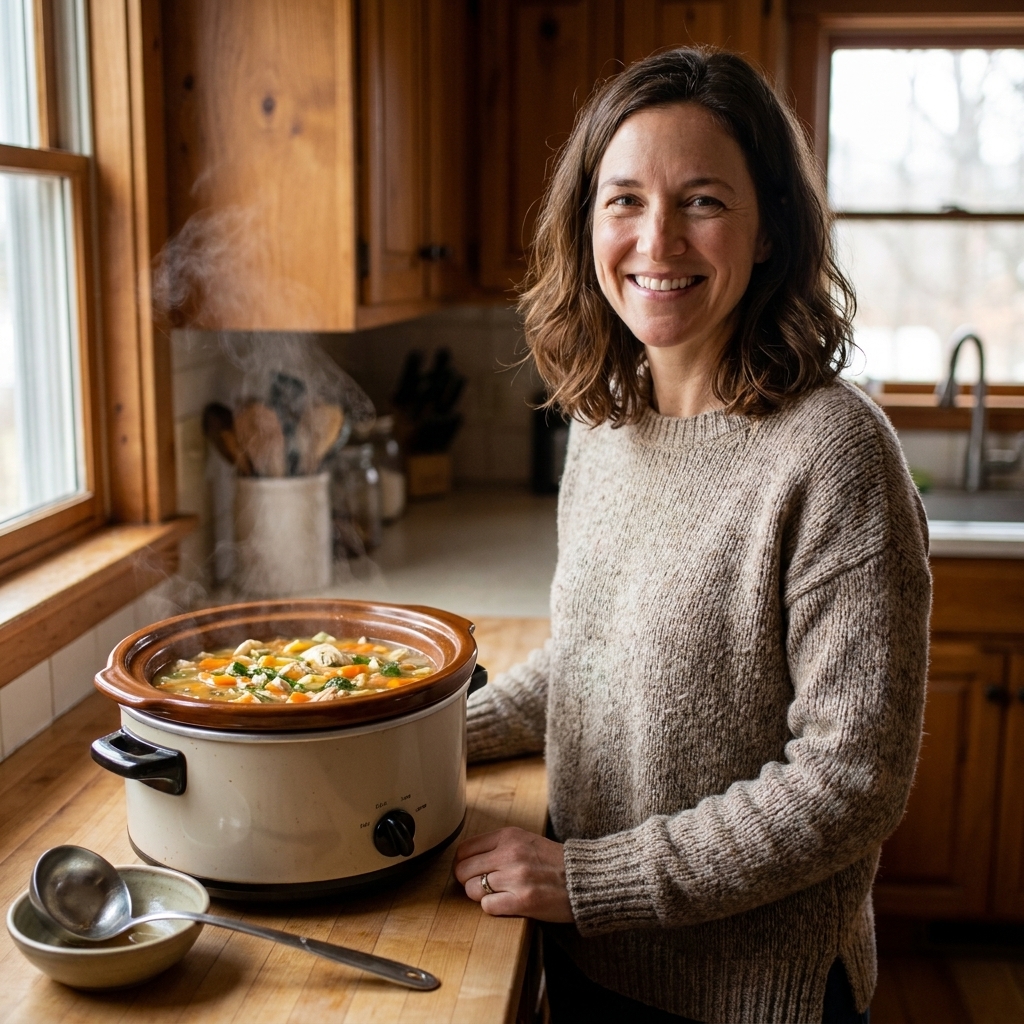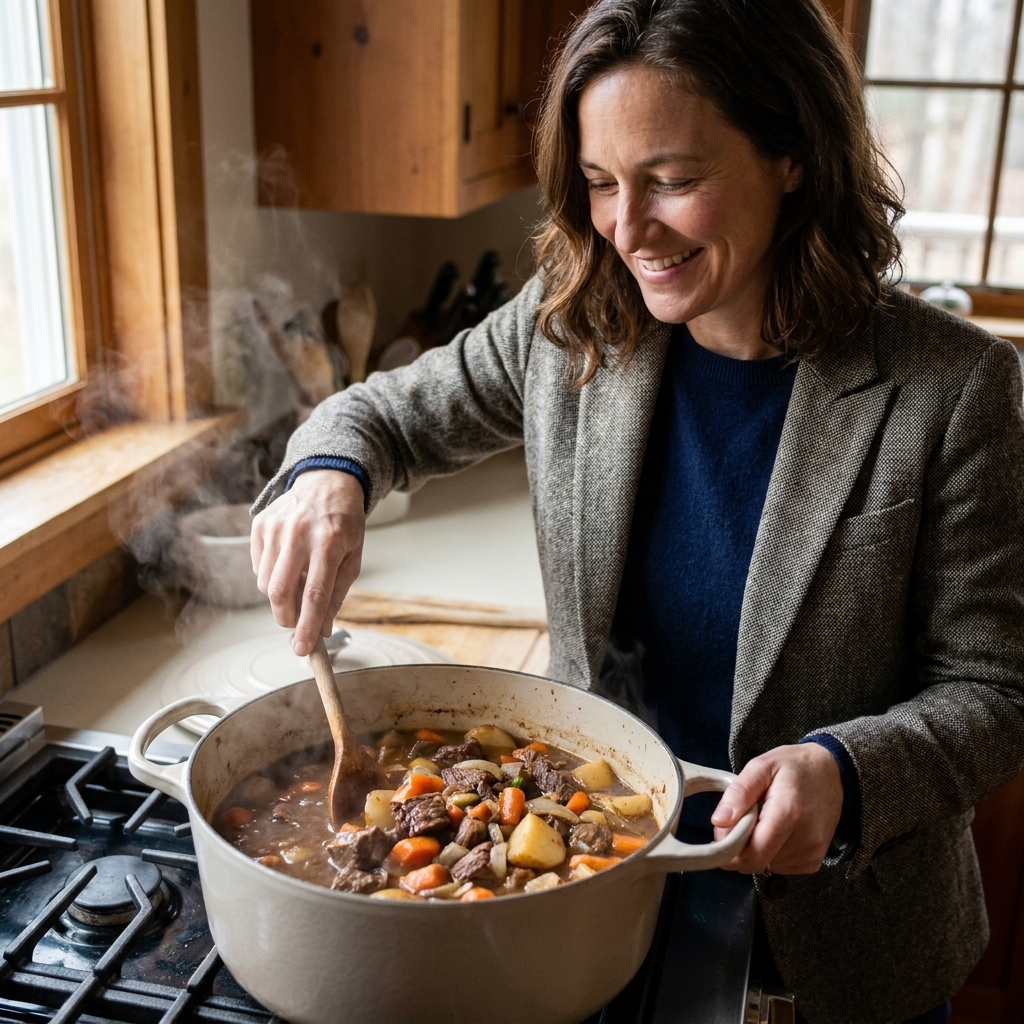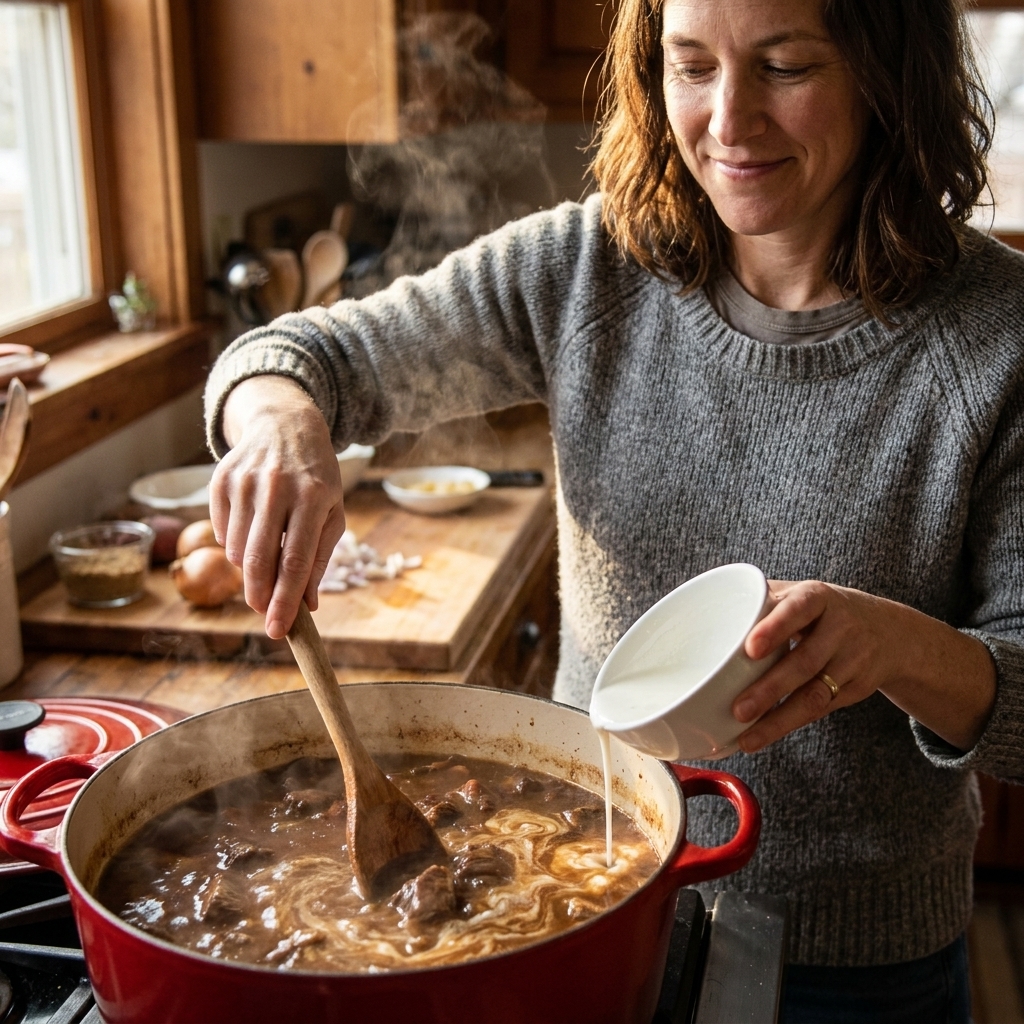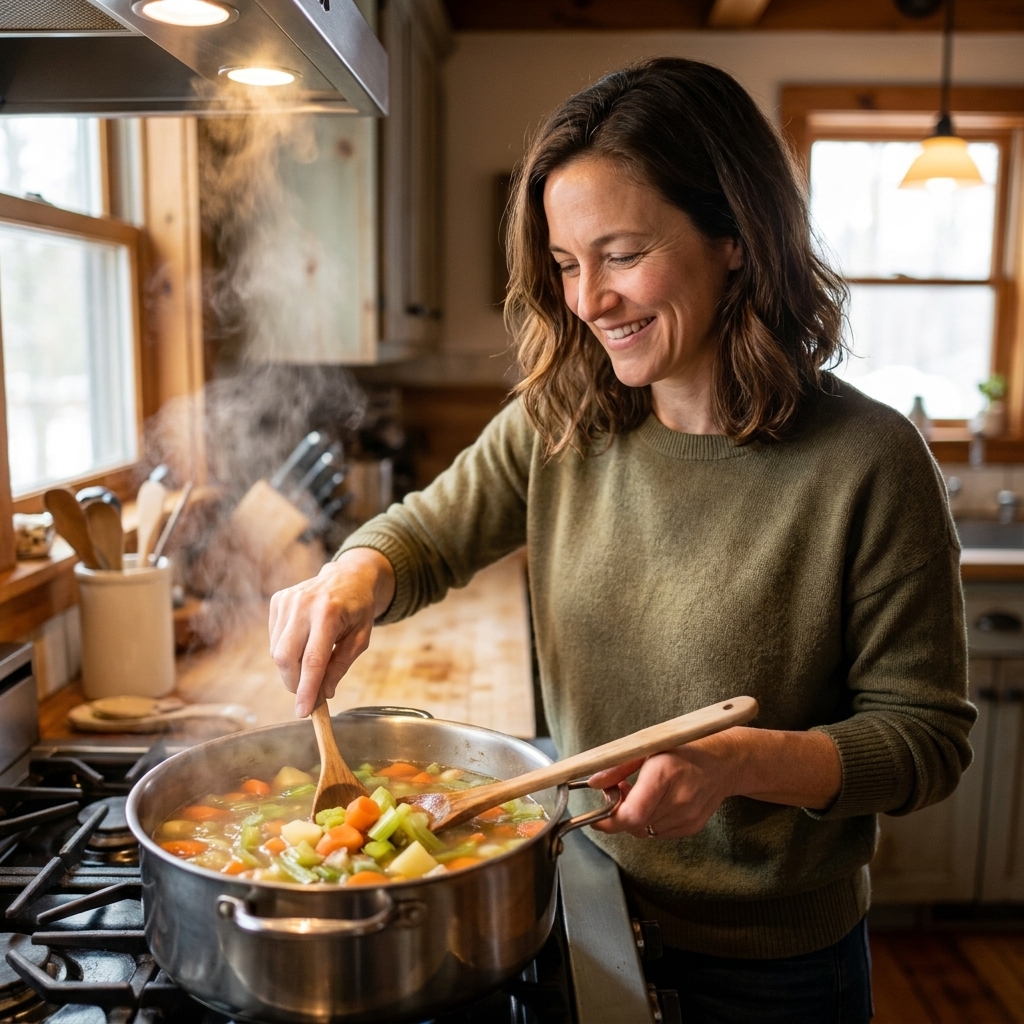
If you have ever stood in your kitchen holding a bag of carrots in one hand and a chuck roast in the other, wondering whether to reach for your Dutch oven or your slow cooker, you are in good company. I love both. I collect Dutch ovens like some people collect coffee mugs, and my slow cooker has gotten me through more snowy weekdays than I can count.
But if we are talking pure stew flavor, there are some real differences in how these two tools cook. Let’s walk through what is happening in the pot, why it matters, and how to get the best possible bowl either way.
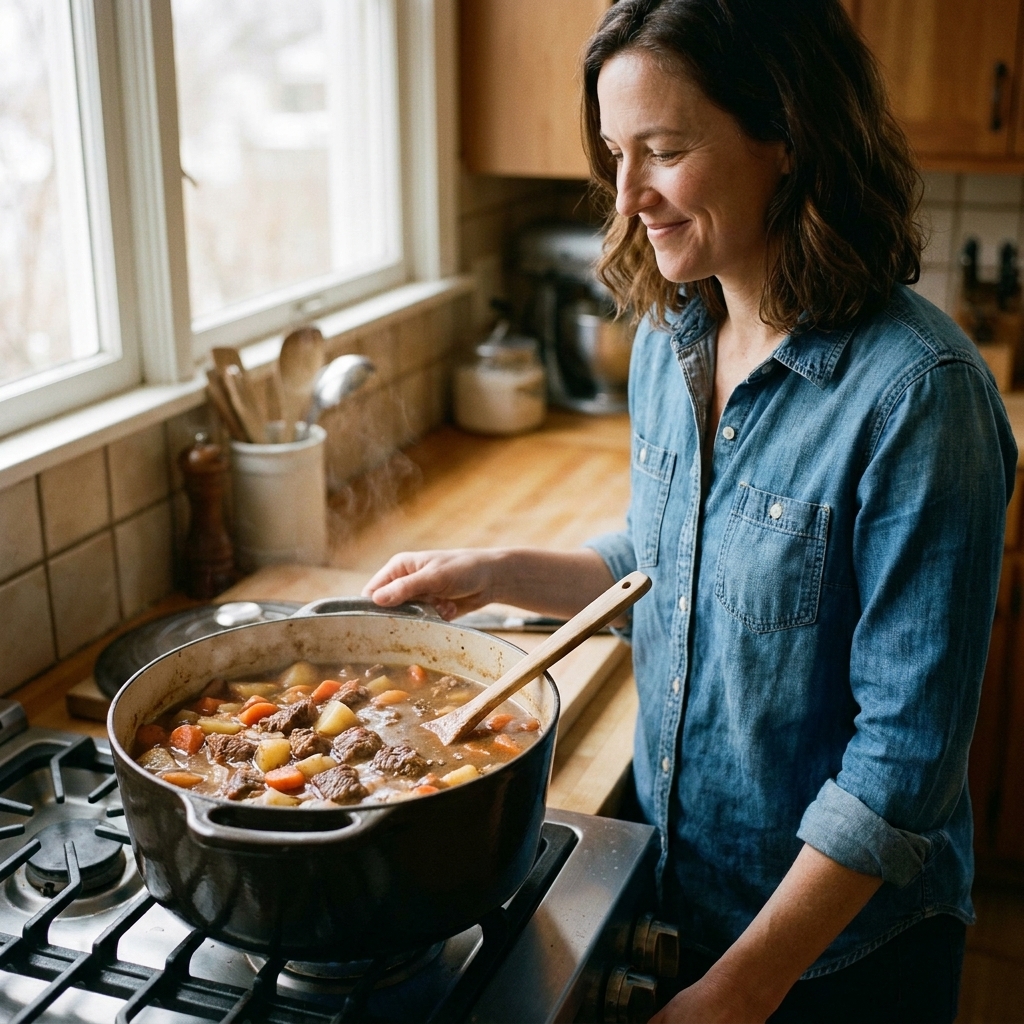
The short answer on flavor
Dutch ovens usually build the deepest, roasty, most concentrated stew flavor. They excel at browning, they can simmer with the lid slightly ajar, and they encourage gradual reduction. All of that stacks flavor.
Slow cookers make wonderfully tender stew with very little effort, but the flavor can be softer and less intense unless you take a couple of extra steps, especially around browning and seasoning.
That said, the “best” pot is the one that fits your day. A stew you actually cook on a Wednesday beats the theoretical perfect stew you never get to.
What builds great stew flavor
Stoves, ovens, and slow cookers all get you to tender meat and soft vegetables. Flavor comes from a few key moves:
- Maillard browning: the savory, roasty crust you get when meat and vegetables hit high heat.
- Fond: the browned bits stuck to the bottom of the pot, which dissolve into your broth when you deglaze.
- Reduction: water evaporates, flavors concentrate, and the stew tastes “rounder.”
- Controlled heat: low and steady cooking breaks down collagen without squeezing out moisture.
- Smart seasoning timing: salt early for the meat, adjust at the end after the stew reduces.
The Dutch oven and the slow cooker handle these steps very differently.
Dutch oven: why it tastes richer
1) Browning happens in the same pot
A cast-iron Dutch oven is a browning machine. You can sear cubes of beef in batches, brown onions until they go jammy at the edges, then deglaze right there with wine, beer, broth, or even just a splash of water.
That one-pot chain reaction matters: sear, build fond, deglaze, simmer. You are basically making flavor layers on purpose.
2) You can reduce as you go
Dutch oven lids are not airtight. Even with the lid on, a little steam escapes. If you crack the lid, even more escapes. That evaporation concentrates your broth and helps the stew finish thick and glossy without needing much extra thickener.
3) The heat is more adjustable
On the stovetop or in the oven, you get gentle bubbling, slightly hotter edges, and a bit of movement. That helps meld flavors and encourages a subtle reduction. It also makes it easier to adjust, like turning the burner down when it threatens to boil.
4) Vegetables behave better
Because you have more control, you can stagger ingredients. Potatoes can go in later. Peas can go in at the end. You are less likely to end up with carrots that taste fine but have given up all texture.
Slow cooker: strengths and pitfalls
Where the slow cooker shines
- Tenderness: It is excellent at breaking down tougher cuts over time, especially chuck, brisket, short ribs, and pork shoulder.
- Consistency: Once you learn your model’s “low” and “high,” it is very repeatable.
- Low-effort timing: It is the king of set-it-and-get-on-with-your-day cooking.
Why slow cooker stews can taste flatter
Most classic crock-style slow cookers heat gently and trap moisture with a tight lid. That usually means:
- Less browning: The insert typically does not get hot enough to sear properly, so you miss out on that roasty crust and the fond that comes with it. (Some newer models and multicookers can brown, but a traditional slow cooker usually cannot.)
- Less reduction: Liquid does not evaporate much, so flavors stay more diluted.
- Softer aromatic impact: Because the heat is low and the liquid does not concentrate, strong top-note flavors from herbs and spices can read a little quieter. It is less about “mystery science” and more about temperature and evaporation.
The fix: a few high-impact steps
If you want slow cooker convenience with Dutch-oven-style flavor, do these:
- Brown the meat first. Sear in a skillet (or in a stovetop-safe insert if you have one). Do it in batches so you get real color, not gray steam.
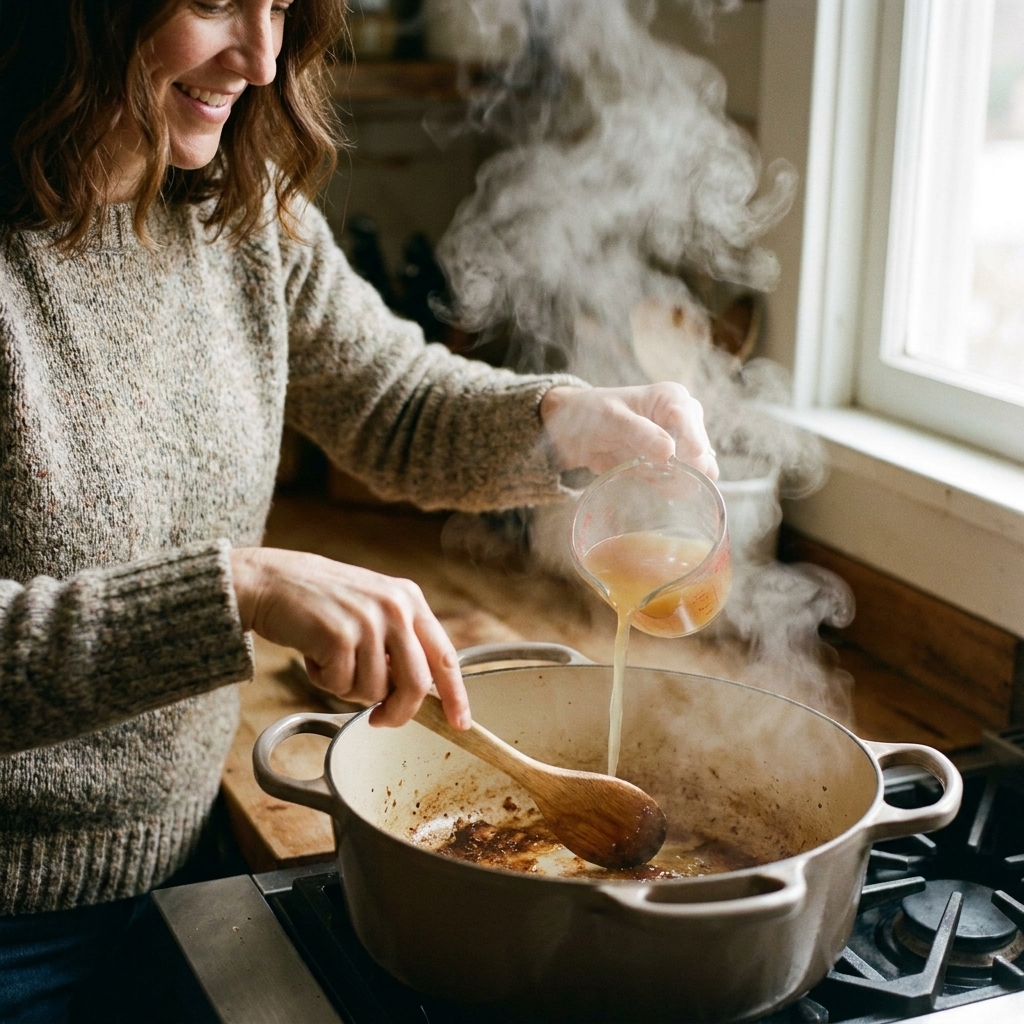
- Deglaze the pan. Pour a splash of broth, wine, or beer into the hot skillet and scrape up the fond. Add all of that to the slow cooker. That is flavor you earned, do not leave it behind.
- Use less liquid than you think. Meat and vegetables give off a lot of juices. Start modestly. You can always add more broth, but you cannot un-water a stew.
- Do not keep lifting the lid. Every peek drops the temperature and can stretch your cook time.
- Finish with a quick reduction. If the stew tastes great but looks brothy, ladle off a cup or two of liquid, boil it hard on the stove until it concentrates, then stir it back in.
- Brighten at the end. A teaspoon of vinegar, a squeeze of lemon, or a spoonful of mustard in the last 5 to 10 minutes can wake everything up. If you want tomato depth, get it from tomato paste browned early with the onions, not stirred in raw at the end.
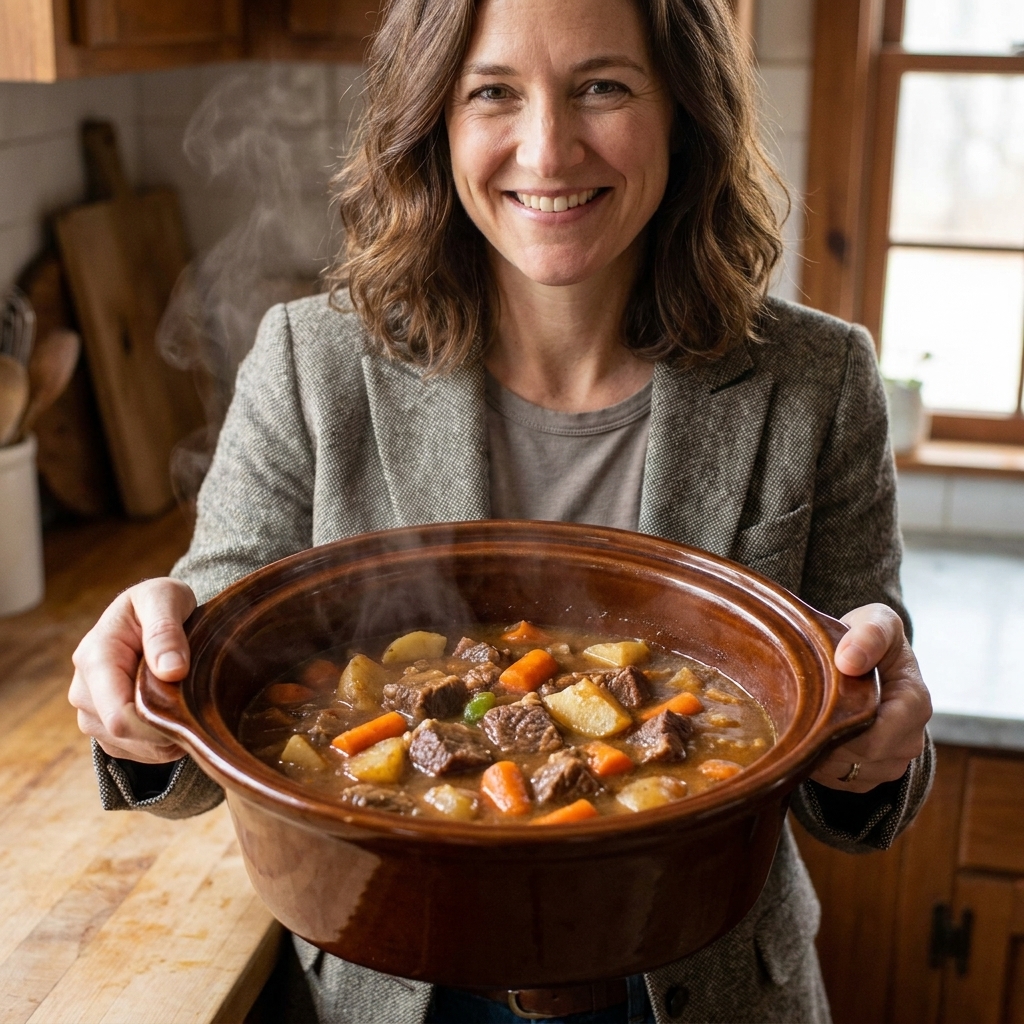
Head-to-head
| Category | Dutch Oven | Slow Cooker |
|---|---|---|
| Deep, roasty flavor | Best, thanks to browning and reduction | Good with extra steps, otherwise milder |
| Tender meat | Excellent, especially oven-braised | Excellent, very forgiving over time |
| Vegetable texture | Easier to control and stagger | Can get very soft if cooked all day |
| Weekday convenience | More hands-on | Best, truly set-and-go |
| Ability to adjust mid-cook | Easy to taste and tweak | Harder to reduce or adjust without opening |
| Energy and heat in the kitchen | Oven braise warms the house | Stays cool, great for summer |
What to use tonight
Choose a Dutch oven if...
- You want the richest, most concentrated gravy-like broth.
- You have time to brown meat and build a base with onions, tomato paste, and spices.
- You care about keeping vegetables intact and adding ingredients in stages.
- You like the “Sunday afternoon simmer” vibe.
Choose a slow cooker if...
- You need dinner to cook while you are out living your life.
- You are working with a tough cut and want guaranteed tenderness.
- You do not want to watch a pot on the stove.
- You are cooking in warm weather and do not want the oven on.
Two methods I use
Method 1: Dutch oven flavor, slow cooker schedule
This is my “best of both worlds” approach for beef stew and chili.
- Sear meat in a skillet until deeply browned.
- Soften onions in the same skillet, then stir in tomato paste and cook it for 1 minute.
- Deglaze with broth, wine, or beer and scrape up the fond.
- Add everything to the slow cooker with your vegetables and seasonings.
- Cook on low until the meat is tender, then adjust salt and add a splash of acid right at the end.
Method 2: Slow cooker start, Dutch oven finish
If you want the slow cooker to do the tenderizing but you want a thicker, silkier finish:
- Cook the stew in the slow cooker until the meat is tender.
- Turn off the slow cooker. Transfer the stew to a Dutch oven carefully, in batches if you need to. Hot liquid is heavy, and splashes are no joke.
- If you have a ceramic insert, do not set it on a cold counter or hit it with cold water while it is hot. Let it cool a bit first to avoid thermal shock.
- Simmer the stew uncovered for 15 to 30 minutes to reduce and concentrate.
- Add quick-cooking vegetables at the end if needed, like green beans or peas.
Tips for either pot
- Salt the meat early. Even 30 minutes helps. Overnight is even better if you can.
- Use gelatin-rich cuts. Chuck roast, shanks, and short ribs give you that luscious body.
- Brown tomato paste. A tablespoon or two cooked briefly in fat (until it darkens a shade) adds depth and keeps it from tasting raw.
- Bay leaf plus thyme is my baseline. Add rosemary sparingly unless you want it to take over.
- Thicken the way you like. Reduction is my favorite, but a cornstarch slurry works fast, and so do a small roux, a beurre manié, or a scoop of mashed potato or blended beans.
- Do not forget a finishing note. Vinegar, lemon, mustard, horseradish, or a small pat of butter can make the whole pot taste more “complete.”
FAQ
Can I brown meat directly in my slow cooker?
Some slow cookers and many multicookers can brown, but most classic crock-style slow cookers do not sear well. For the best flavor, plan to brown in a skillet unless you know your machine can truly sauté.
Why is my slow cooker stew watery?
Slow cookers trap moisture, and ingredients release liquid as they cook. Use less added broth to start, and finish by reducing some liquid on the stove or thickening with a slurry of cornstarch and water.
Is oven-braising in a Dutch oven better than stovetop simmering?
I prefer the oven for big stews because the heat is even and gentle. Stovetop works too, just keep the simmer very low and stir now and then so nothing sticks.
Which is better for chicken stew?
Dutch oven wins for chicken, in my opinion, because chicken can go from tender to stringy if it sits too long, especially breast meat. If you use a slow cooker, choose thighs and start checking early. Depending on your model and how full the pot is, thighs are often done in about 3 to 5 hours on low. The real trick is stopping when the chicken is just tender, not waiting for “extra tender.”
My verdict
If we are awarding a trophy for best stew flavor, it goes to the Dutch oven. Browning, fond, and reduction are simply easier and more natural in that pot.
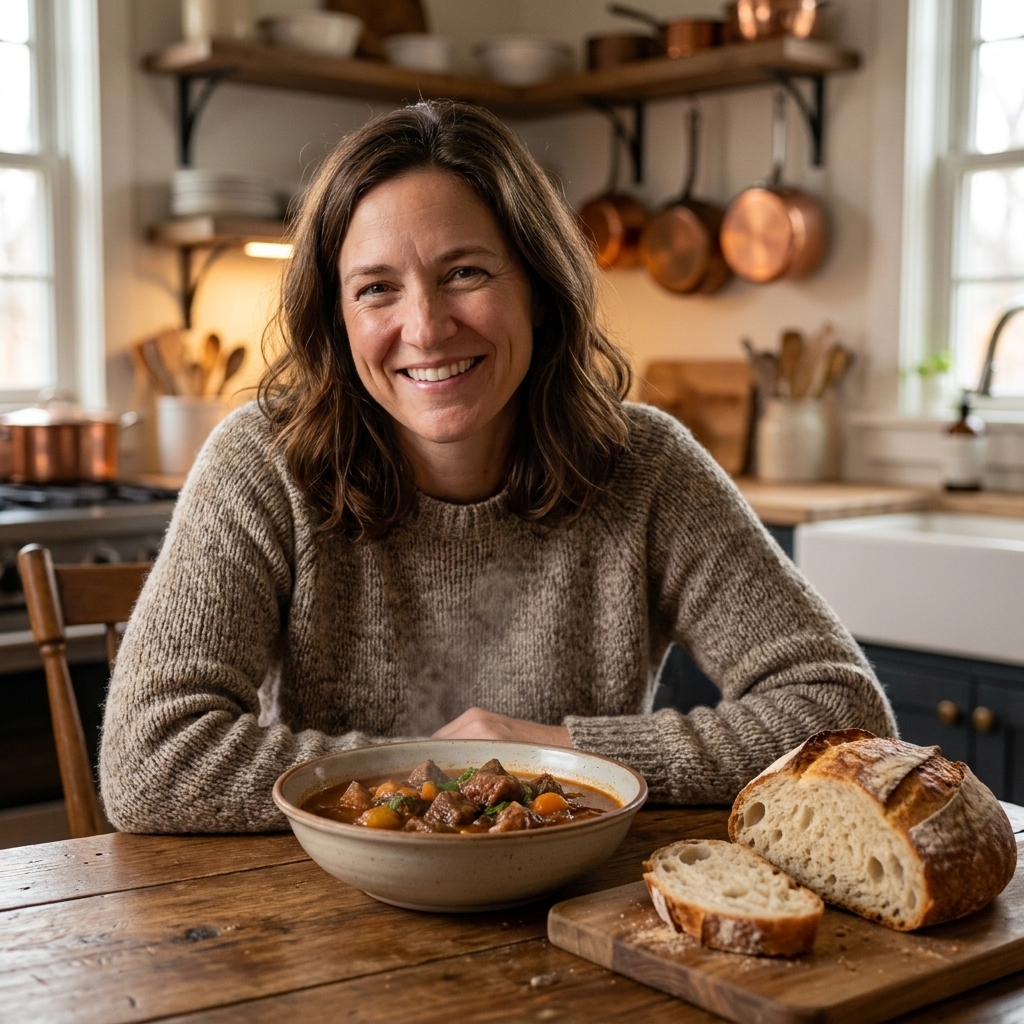
But my real-life verdict is this: keep both in your rotation. Use the Dutch oven when you want to linger in the kitchen and build something deeply savory. Use the slow cooker when you need dinner to be waiting for you, and give it a quick boost with a good sear and a smart finish. Either way, make extra. Stew is always better tomorrow, especially with a fresh loaf of crusty bread.