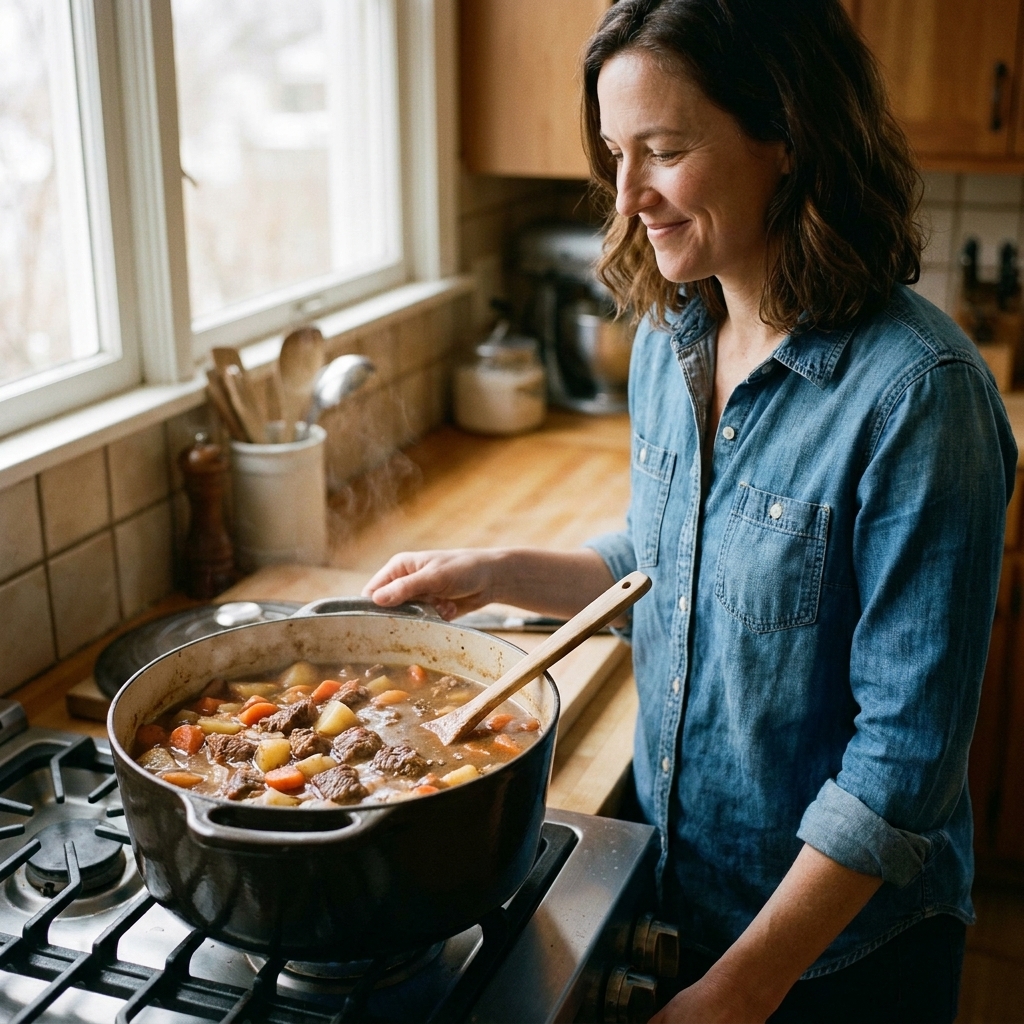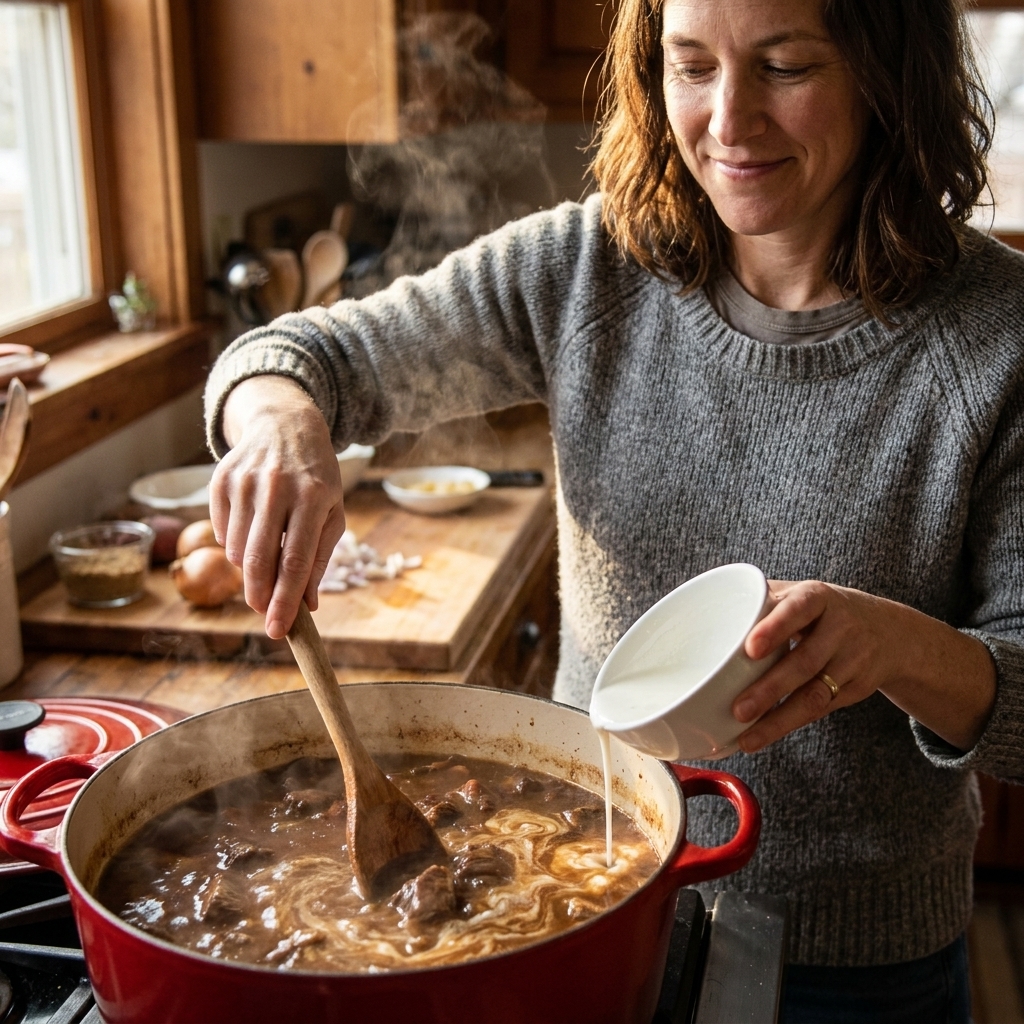
There is a special kind of kitchen magic that only happens after a few hours of gentle simmering. The tough, thrifty cuts that look a little rough around the edges at the store turn into silky, rich, spoon-tender bites once time and low heat do their thing. If you cook stews the way I do, especially through long upstate New York winters, these are the cuts that keep your pot cozy and your grocery bill in line.
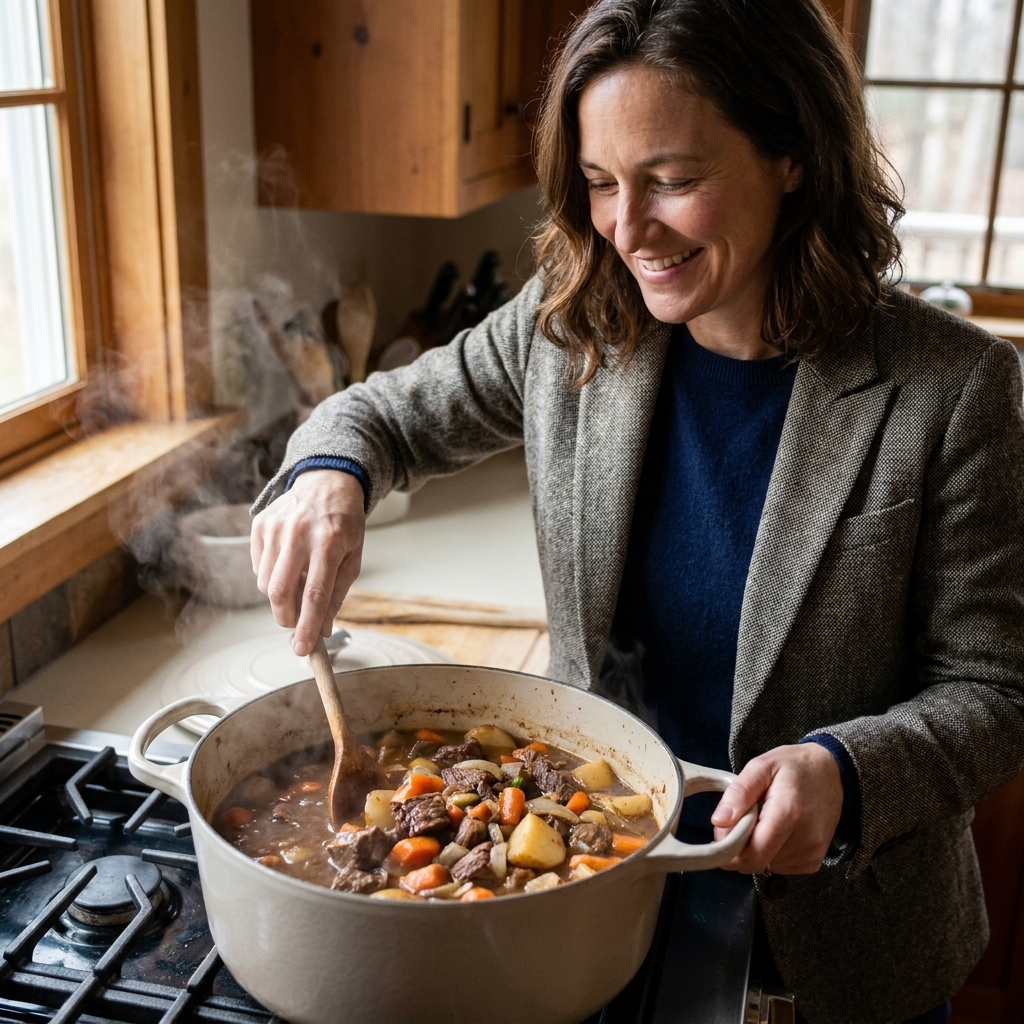
Below are 10 budget-friendly cuts of meat that truly shine in slow-simmered stews, plus exactly how to cook them so you get that melt-in-your-mouth finish.
What makes a cut great for stew?
The best stew meats tend to share a few traits:
- Lots of connective tissue (collagen) that breaks down into gelatin, giving you that luscious, full-bodied broth.
- Some fat for flavor and a richer mouthfeel.
- Muscle that works hard, which means it starts out tougher but becomes incredibly tender with time.
Quick note from my own trial and error: slow cooking is not just about “softening” meat. It is about giving collagen the time it needs to dissolve. That is why the same cut can be chewy at 60 minutes and buttery at 3 hours.
10 budget-friendly cuts for slow stews
1) Beef chuck roast
If I could only pick one stew cut for the rest of my life, it would be chuck. It has the right balance of marbling and connective tissue, and it stays juicy even after hours on low.
- Best for: classic beef stew, Guinness stew, chili, pot roast-style stews
- How to cut: 1 1/2-inch cubes so it does not dry out
- Timing: 2 1/2 to 3 1/2 hours at a gentle simmer, or 8 to 9 hours on low in a slow cooker (start checking at 2 1/2 hours)
Clara tip: Brown it hard in batches. That crust is flavor that ends up in every spoonful.
2) Beef brisket (flat or point)
Brisket is famous for barbecue, but it is quietly one of the best stew cuts when you want deep beef flavor and a rich, silky broth. It slices beautifully for leftovers too.
- Best for: tomato-based beef stew, smoky chili, onion-heavy stews
- Timing: 3 to 4 hours simmered, or 8 to 10 hours on low (start checking around 3 hours)
- Watch for: brisket can feel firm, then suddenly relax into tenderness. Give it time.
3) Beef shank (cross-cut)
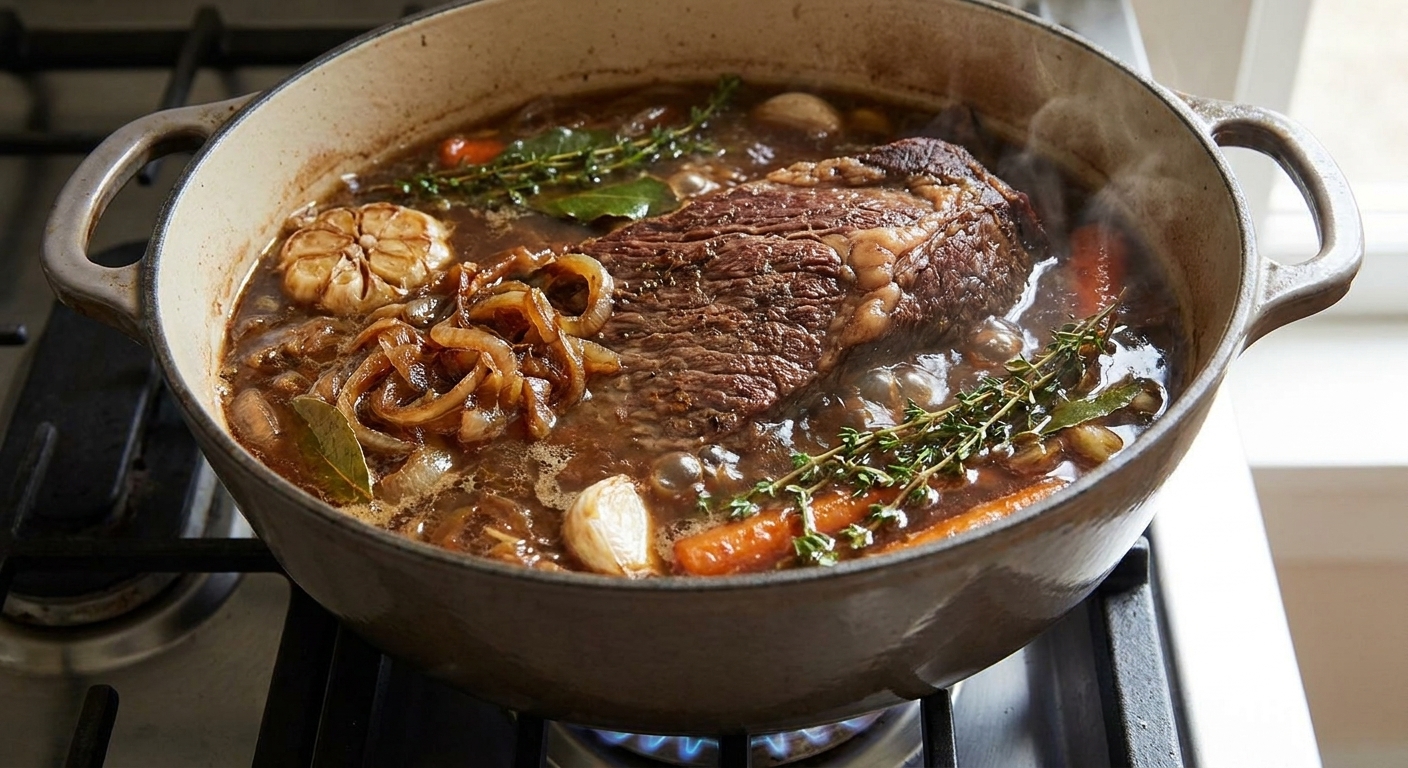
Beef shank is loaded with collagen. It is the cut that makes your stew feel like it came from an old-school diner, in the best way.
- Best for: rustic beef and barley stew, vegetable-heavy stews, brothy stews that need body
- Timing: 3 1/2 to 4 1/2 hours simmered (start checking at 3 1/2 hours)
- Note: shank is often bone-in, so you also get bonus flavor from the marrow and bone.
4) Beef short ribs
Short ribs are not always the cheapest by the pound, but when you find a good sale, they are worth pouncing on. They turn into rich, luxurious stew meat and make a velvety gravy.
- Best for: red wine stews, mushroom stews, holiday-style beef stew
- Timing: 3 to 4 hours simmered, or 8 hours low (start checking at 3 hours)
- For less grease: chill the finished stew and lift off the fat cap the next day. Cook once, eat twice.
5) Beef round (bottom round or eye of round)
Round is very lean, which is exactly why it is usually cheaper. It can work in stew, but it is less foolproof than chuck because it has less collagen and less marbling. Choose bottom round when you can, keep the simmer gentle, and do not expect it to get quite as luscious as fattier cuts.
- Best for: lighter beef stew, vegetable-forward stews, slow cooker beef with lots of aromatics
- Timing: 2 1/2 to 3 1/2 hours simmered, or 8 to 9 hours on low (start checking at 2 1/2 hours)
- Texture tip: cut larger chunks and slice across the grain when serving if it feels a little firm.
- Flavor help: add umami boosters like tomato paste, soy sauce, Worcestershire, anchovy paste, or mushrooms.
Clara tip: If you are using round, build body another way: use a good stock, toss in a bone-in piece (like a shank), or stir in a small pinch of unflavored gelatin at the end for that restaurant-style silk.
6) Pork shoulder (Boston butt)
Pork shoulder is an absolute workhorse. It is affordable, forgiving, and gets that shreddable tenderness that makes stews feel extra hearty.
- Best for: pork green chile, pozole-style stews, apple-cider pork stew, bean stews
- Timing: 2 1/2 to 4 hours simmered, or 8 to 10 hours on low (start checking at 2 1/2 to 3 hours)
- Finish idea: shred some of the pork into the broth and leave some in chunks for texture.
7) Pork country-style ribs
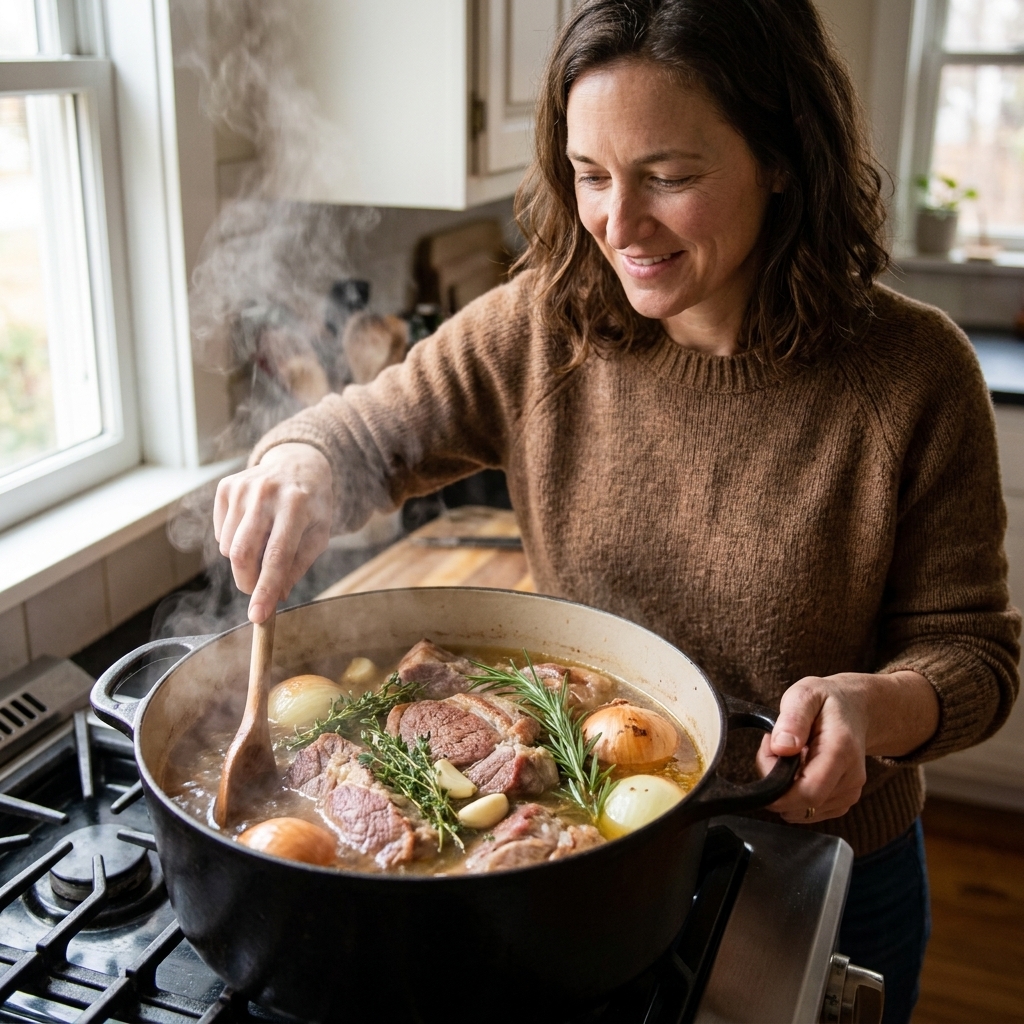
Despite the name, these are often cut from the shoulder area, which means they behave beautifully in long braises and are often priced better than chops. Every once in a while, you will see a loin version, so check the label and aim for shoulder-style for stewing.
- Best for: sweet and smoky pork stew, saucy tomato-based pork ragù that eats like stew
- Timing: 2 1/2 to 3 1/2 hours simmered (start checking at 2 1/2 hours)
- Shopping note: look for well-marbled pieces. A little fat is your friend here.
8) Pork hocks or ham hocks
This is the secret weapon cut for building flavor and body, especially in bean-heavy stews. Hocks are more about collagen, smoky richness, and broth depth than big meaty chunks, though some have plenty of meat too.
- Best for: split pea soup, white bean stew, lentil stew, greens and beans
- Timing: 2 1/2 to 4 hours simmered (start checking at 2 1/2 to 3 hours)
- How to use: simmer, then pull off the meat and stir it back in. Discard skin, cartilage, and bones.
9) Lamb shoulder
Lamb shoulder is the cozy cousin of beef chuck. It has fat and connective tissue that melt into a rich, fragrant stew. It is often more affordable than lamb leg, and far better suited to long, slow cooking.
- Best for: Moroccan-style stews, lamb and lentil stew, tomato and cinnamon-spiced lamb
- Timing: 3 to 4 hours simmered, or 8 to 9 hours on low (start checking at 3 hours)
- Flavor friends: garlic, cumin, coriander, rosemary, lemon, dried apricots, olives
10) Lamb shanks
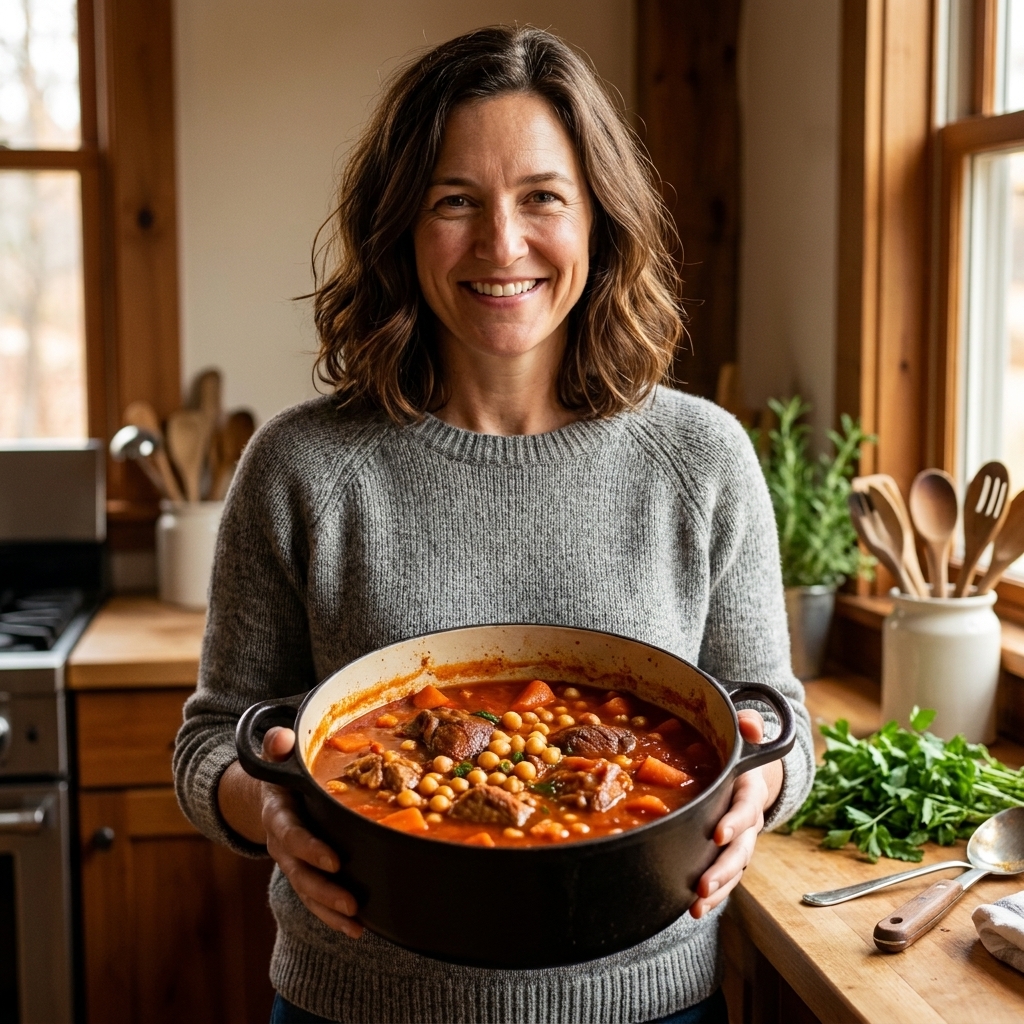
Lamb shanks are a long-cook classic for a reason. They start tough and end luxurious, and the bones help create a broth with serious silkiness.
- Best for: red wine lamb stew, rosemary-garlic lamb, lentil-based lamb stews
- Timing: 3 1/2 to 4 1/2 hours simmered, or 8 to 10 hours on low (start checking at 3 1/2 hours)
- Serving idea: shred the lamb and serve over mashed potatoes or buttered egg noodles with plenty of broth.
Slow-simmer basics
Start with browning, even for slow cookers
If you have 10 extra minutes, brown the meat in a skillet or Dutch oven first. You are building the foundation of flavor with the browned bits on the bottom of the pan.
Keep it at a gentle simmer
A hard boil can lead to a tighter, drier texture and a cloudier broth. Look for small, lazy bubbles, then keep it there.
Give collagen time
When stew meat feels tough after 2 hours, it usually does not need less time. It needs more time. Keep cooking until it turns tender, especially with shank, shoulder, and hocks. Start checking at the low end of the timing range, then let tenderness be the real clock.
Salt in layers
Season the meat before browning, then taste the broth halfway through, and again at the end. A final pinch of salt at serving time often wakes everything up.
How to thicken stew
If you like a thicker bowl, you have options. Dredge meat in a little flour before browning for an easy, old-school thickness. Or let the lid sit slightly ajar at the end and simmer to reduce. In a hurry, stir in a cornstarch slurry (equal parts cornstarch and cold water) a little at a time until it looks right.
Buying and prep tips
- Shop bone-in when you can. Shanks, short ribs, hocks, and bone-in shoulder cuts often give you more flavor per dollar.
- Look for family packs. Portion and freeze in stew-sized bags (about 1 to 1 1/2 pounds per bag for a small pot).
- Trim, but do not over-trim. Remove thick, waxy fat caps, but leave marbling and soft fat. That is where flavor lives.
- Save scraps for stock. Onion skins, carrot ends, celery leaves, and herb stems can ride along in the freezer until broth day.
Quick FAQs
Can I swap one cut for another?
Almost always. Think in categories: chuck, brisket, and shoulder behave similarly. Shanks and hocks bring extra gelatin and love long cooks. Lean round works, but it benefits from extra flavor helpers, a gentle simmer, and realistic expectations.
Why is my stew meat still tough?
Most of the time it simply needs more time at a gentle simmer. Collagen breaks down gradually. If you boil hard, the meat can also tighten up, so drop the heat and let it go longer.
Should I cut meat before or after cooking?
For roasts like chuck or pork shoulder, I cut into big chunks before cooking. For brisket, I often cook larger pieces and slice at the end. For shanks and hocks, cook them whole, then pick the meat off and return it to the pot.
What is the best way to de-fat stew?
The easiest method is to chill it overnight and lift off the solid fat the next day. This is one of my favorite cook-once, eat-twice tricks because the flavors also deepen as it rests.
What about food safety?
For these collagen-rich cuts, the goal is not just “safe,” it is tender. They are typically at their best well past medium and closer to fall-apart territory. Keep the stew at a steady simmer, and cook until the meat is fork-tender throughout.
Can I make this in an Instant Pot?
Yes, especially for chuck, pork shoulder, and lamb shoulder. Brown first using sauté, then pressure cook and let it naturally release. You will still want enough time for tenderness, so think in terms of a full pressure cycle rather than a quick one.
Let time do the work
If you are standing in front of the meat case wondering what is worth it, start with chuck for beef or pork shoulder for pork. They are forgiving, flavorful, and built for slow simmering. Once you get comfortable, try shanks or hocks when you want that restaurant-style, silky broth that makes everyone ask, “What did you put in this?”
And please tell me you have bread for dipping, because a stew this good deserves it.