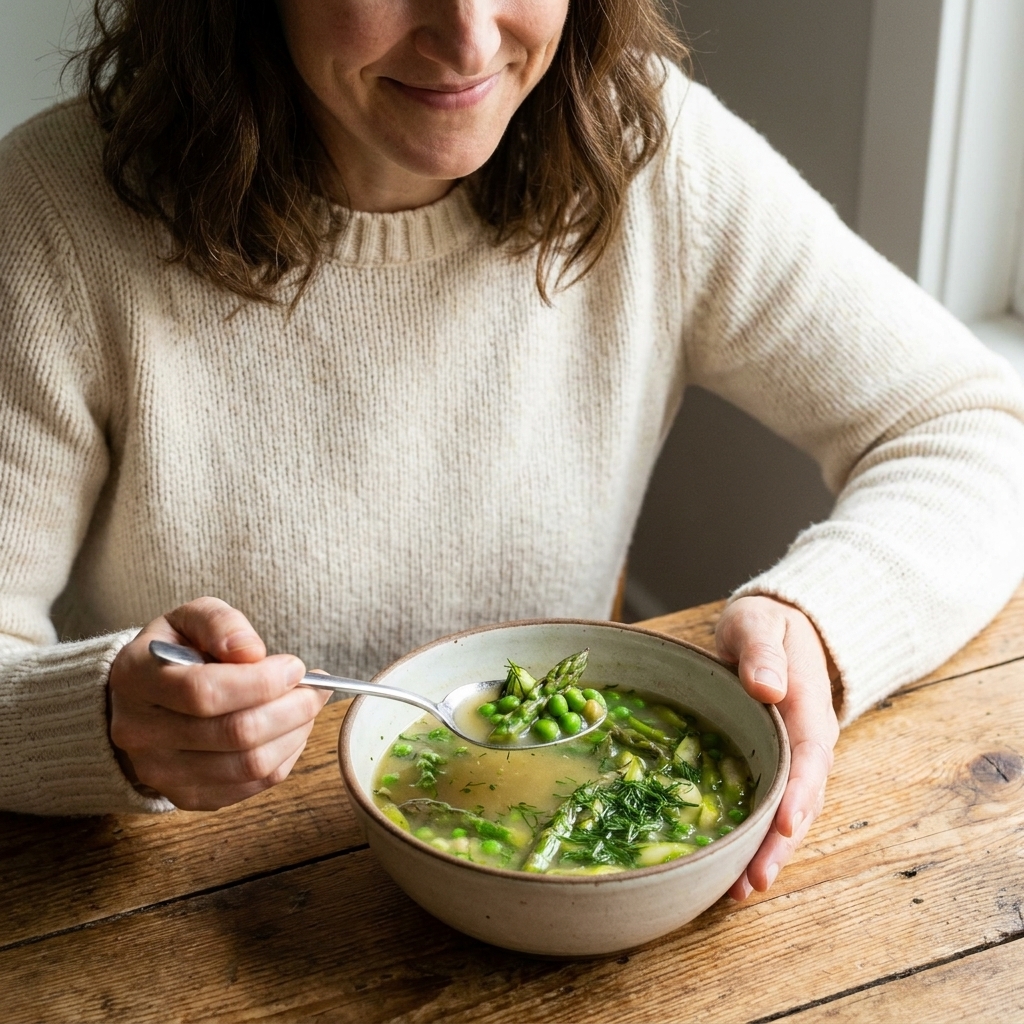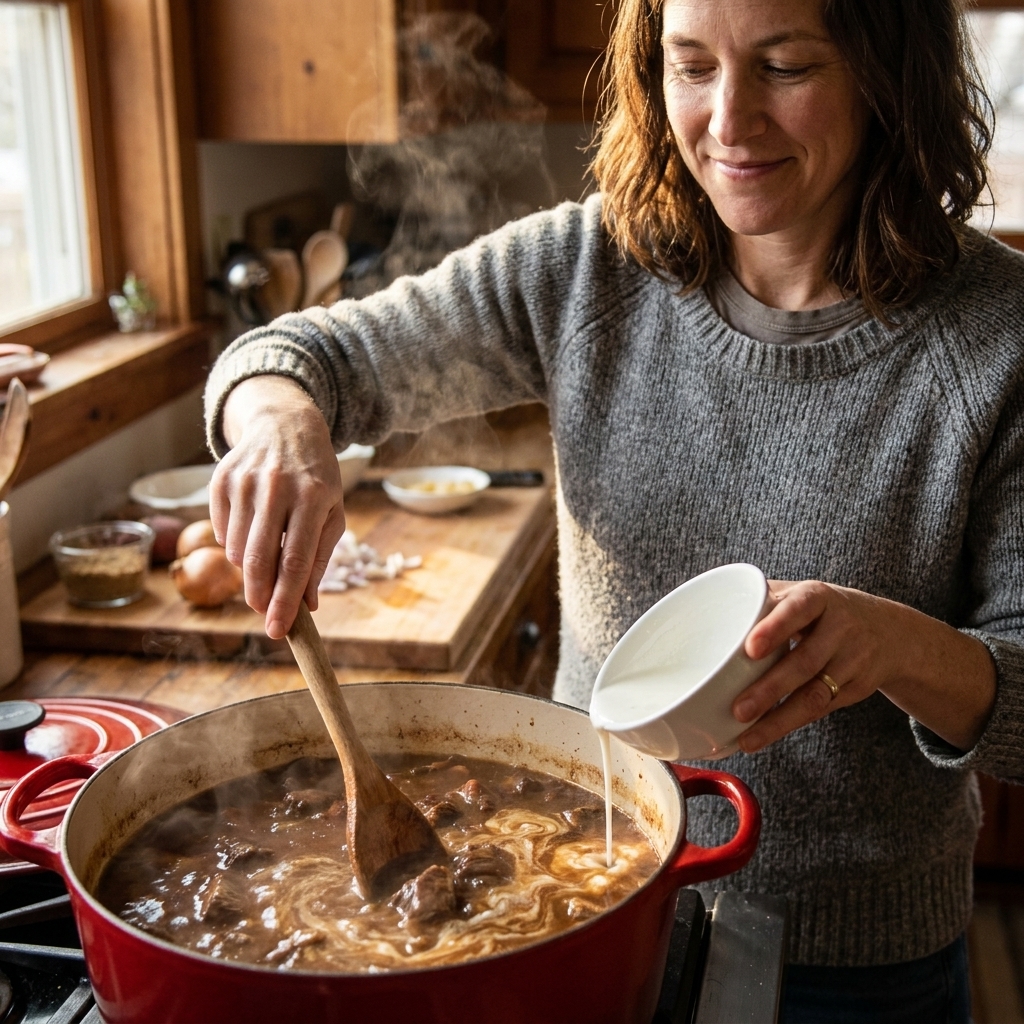
If you have ever stood in your kitchen with a pot of potatoes bubbling away and thought, “Okay, but how do I make this taste like a real chowder without dairy?” you are my kind of cook. Rich, creamy chowder energy is less about actual cream and more about fat, body, and smart flavor building.
Two of the most reliable dairy-free bases for vegan chowders are cashew cream and coconut milk. Both can give you that spoon-coating comfort, but they behave differently in the pot and they definitely bring their own personalities to the party.
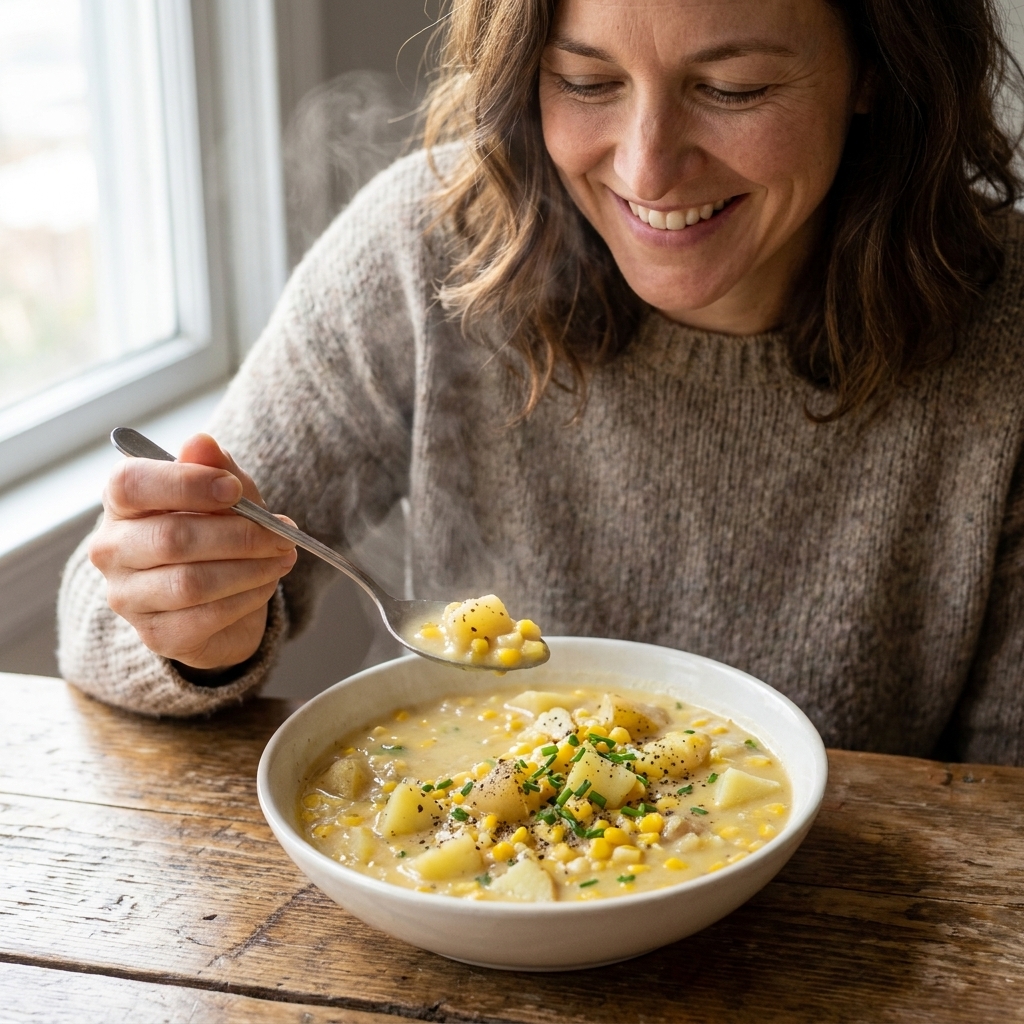
The quick answer
If you want a chowder that tastes classic and savory, go with cashew cream. If you want maximum richness fast, and you do not mind a subtle coconut vibe, go with coconut milk.
- Cashew cream: neutral, velvety, very “traditional chowder” friendly
- Coconut milk: rich, silky, slightly sweet, can read tropical if not balanced
Flavor
Cashew cream flavor profile
Cashew cream is the introvert of the dairy-free world. It shows up, adds body, makes everything feel luscious, and mostly stays out of the spotlight. Properly blended cashews taste mildly nutty and gently sweet, but in a soup loaded with onions, celery, garlic, herbs, and stock, that nutty note fades into a creamy “roundness.”
Best for: New England style vibes, potato corn chowder, vegan clam style chowder (with hearts of palm or mushrooms), and anything where you want the broth and vegetables to lead.
Coconut milk flavor profile
Coconut milk is bolder. Even the “unsweetened” kind has a natural sweetness and a distinct coconut aroma. In some chowders, that is a feature. In others, it can steal the show if you are craving a classic seaside diner feel.
Best for: corn chowders that lean smoky or spicy, sweet potato or squash chowders, curry-leaning chowders, and soups where coconut’s flavor makes sense.
Fat and richness
Chowder wants fat. Fat carries flavor, softens sharp edges, and gives you that lingering, satisfying finish that makes you reach for bread.
Coconut milk: rich, fast
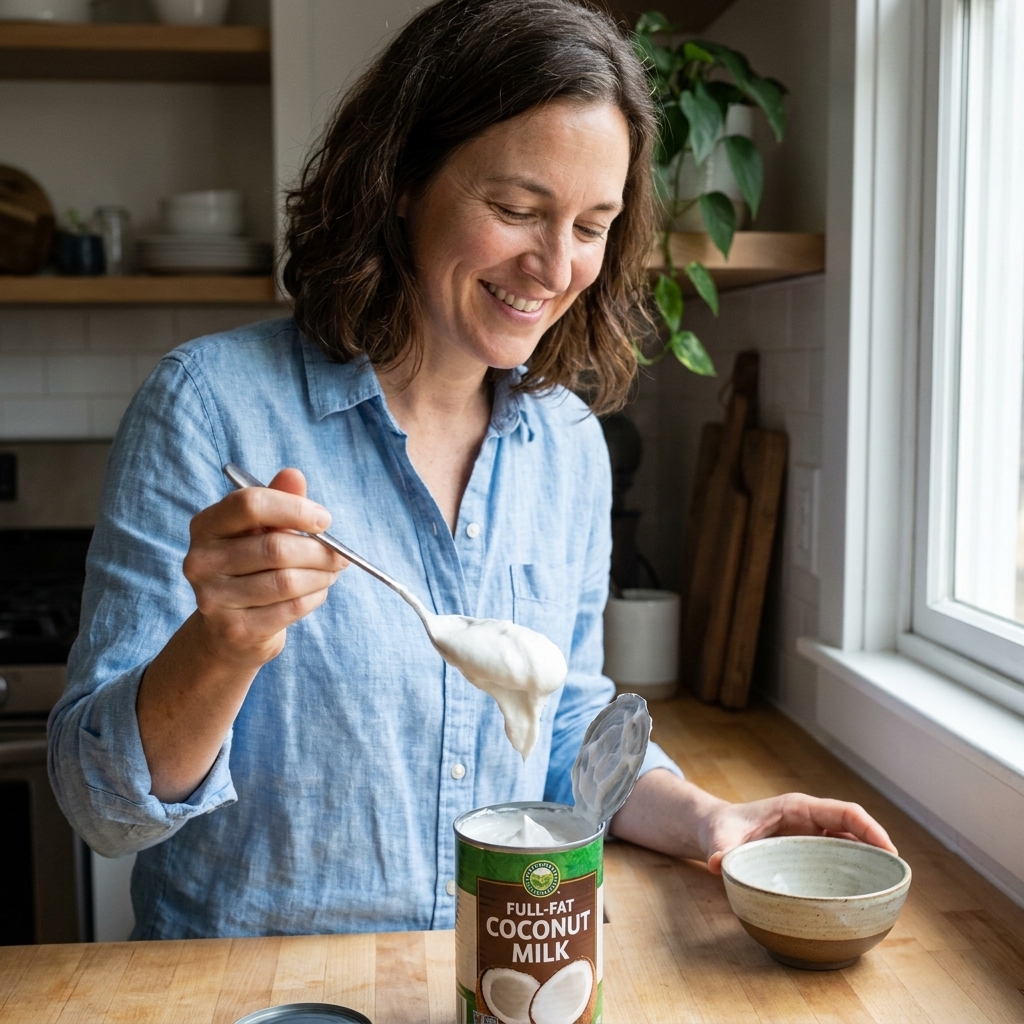
Full-fat coconut milk is one of the richest, easiest pantry options right out of the can, especially if you spoon in some of the thick coconut cream from the top. (Coconut cream itself is even richer, but a little goes a long way.)
- Pros: immediate richness, easy, consistent texture
- Cons: coconut flavor can read sweet or tropical if not balanced
Cashew cream: adjustable
Cashew cream’s richness depends on how you blend it. You can make it pourable like half-and-half or thick like heavy cream just by changing the water ratio. It is my favorite when I want control.
- Pros: neutral flavor, customizable thickness, classic chowder taste
- Cons: requires a blender and a little planning
Consistency
Chowder thickness is part science, part “grandma’s instincts.” Here is how these two bases behave once they hit the pot.
Cashew cream: velvety and integrated
Cashew cream thickens by adding suspended solids (finely blended nuts). That means it gives you a smooth, integrated creaminess that feels like dairy when done well.
Watch-out: if the cashews are not blended silky smooth, you can get a faint graininess. A high-speed blender helps, and so does soaking.
Coconut milk: silky, but heat sensitive
Coconut milk thickens with its natural fats. It is gorgeously silky, but it can look a little broken if you crank the heat to a hard boil. It is also more likely to separate if the soup is very diluted, or if you add acidic ingredients while it is boiling.
My rule: once coconut milk goes in, keep the soup at a gentle simmer, not a rolling boil. Add lemon or vinegar at the end, ideally off heat.
How much to add
If you want a concrete starting point, here is what I reach for in a typical pot.
- For about 6 cups of chowder: start with 3/4 to 1 cup cashew cream, or 1 (13.5-ounce) can full-fat coconut milk.
- Then adjust: add more for richness, or loosen with stock if you overdo it.
Cashew cream ratios
I make cashew cream the way I make a lot of soup decisions: based on how thick the pot already looks and how hearty I want dinner to feel.
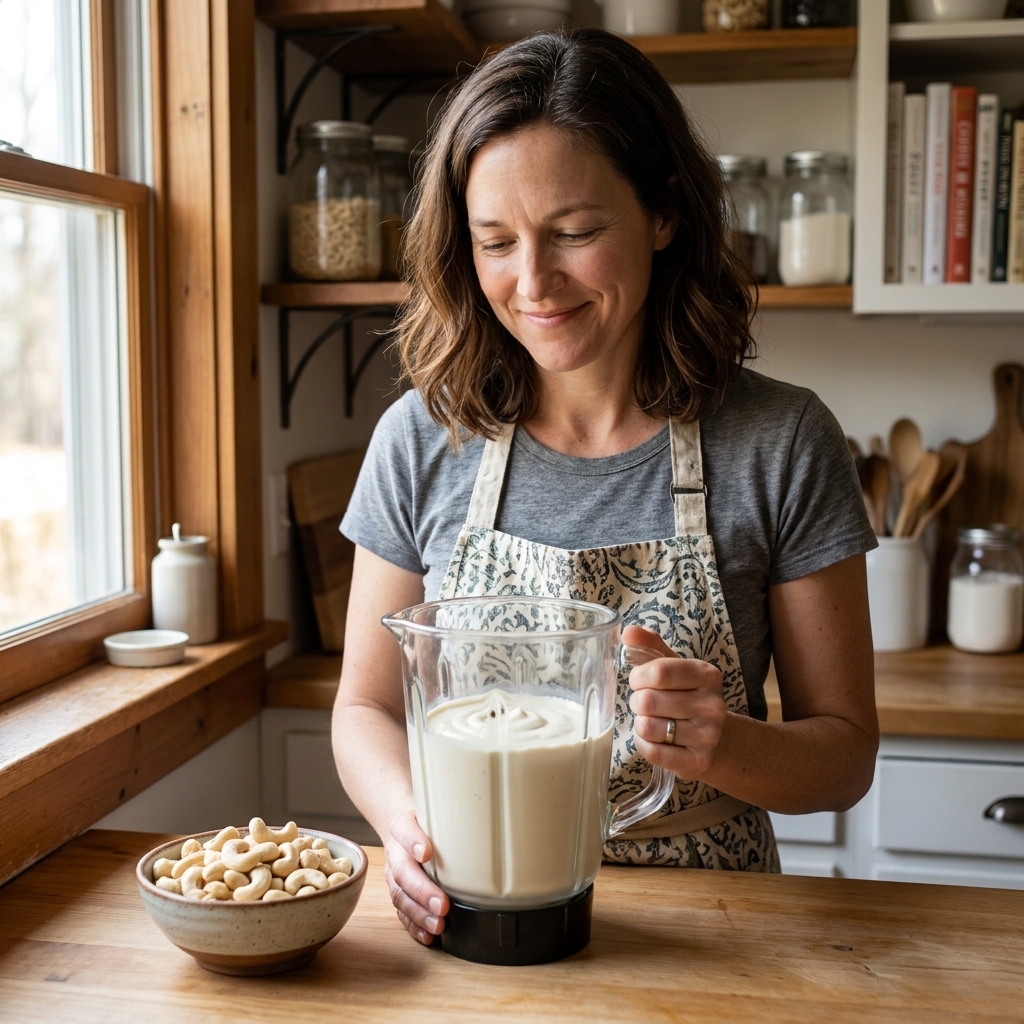
Option 1: Soaked (smoothest)
- Soak 1 cup raw cashews in hot water for 30 minutes (or cold water 4 to 8 hours).
- Drain, then blend with 3/4 to 1 cup fresh water until completely smooth.
- For a thicker “cream,” start with 3/4 cup water. For lighter, go 1 cup.
Option 2: No soak (high-speed blender)
If you have a high-speed blender, you can often get away with no soak.
- Blend 1 cup raw cashews with 1 cup hot water for 1 to 2 minutes, until silky.
When to add it: Stir cashew cream in near the end of cooking, once potatoes are tender. Let it gently simmer 3 to 5 minutes to marry flavors. If you plan to finish with lemon or vinegar, do that last, off heat.
Coconut milk tips
If you love coconut milk but want a chowder that still feels savory and balanced, lean on these tricks.
Pick the right coconut product
- Full-fat coconut milk: best for chowder texture.
- Lite coconut milk: works, but you may need extra thickening help (mashed potato, a roux with oil, or a slurry).
- Coconut cream: very rich. Use smaller amounts, or cut it with stock.
Balance the coconut flavor
- Acid: a squeeze of lemon, a splash of white wine vinegar, or a little pickle brine at the end brightens and reduces “coconut-forward” flavor. Add it last, off heat.
- Umami: miso, nutritional yeast, soy sauce, or a pinch of mushroom powder gives that savory backbone dairy usually provides.
- Alliums and herbs: sautéed onion, celery, garlic, thyme, bay leaf, and black pepper keep things chowder-y.
- Smoke: smoked paprika or a tiny bit of liquid smoke makes corn chowder especially convincing.
When to add it: Add coconut milk after the soup base is cooked and tasting good. Keep heat low and do not boil hard. If you are finishing with something acidic, add it at the very end.
At a glance
| Category | Cashew cream | Coconut milk |
|---|---|---|
| Flavor | Neutral, lightly nutty | Coconut aroma, slight sweetness |
| Richness | Adjustable by ratio | Rich quickly, especially full-fat |
| Texture | Velvety, chowder-like | Silky, can separate with high heat |
| Best for | Classic chowders, “seafood-style” vegan chowders | Spicy, smoky, squash, curry-leaning chowders |
| Ease | Needs blender, optional soaking | Open can, stir in |
| Allergy note | Tree nut based | Coconut allergy guidance varies, check labels and follow medical advice |
Chowder moves
These are the small habits that make dairy-free chowder taste intentionally rich, not like a compromise.
Build the base first
Before any creamy element goes in, get your aromatics working: onion, celery, fennel if you love it, garlic, thyme, bay leaf. Let them sweat until soft. If you have time, let the onions pick up a little color. That is flavor you cannot fake later.
Thicken with potatoes
When I want chowder thickness without fuss, I do one of these old-school tricks:
- Mash some of the cooked potatoes right in the pot.
- Blend 1 to 2 cups of the soup and stir it back in.
- Use starchy potatoes (like russets) for built-in body, or Yukon Gold for a naturally creamy feel.
Season in layers, finish bright
Creamy soups can taste flat if you only salt at the end. Taste as you go, then add a final pop: lemon, vinegar, or even a little mustard. Add acidic finishes at the end, ideally off heat, especially with coconut milk.
Which should you choose?
Choose cashew cream if you want
- a classic chowder flavor without coconut notes
- a base that plays nicely with thyme, bay, celery, potatoes, corn
- control over thickness and richness
Choose coconut milk if you want
- the easiest rich texture with pantry ingredients
- a chowder that can handle smoke, spice, or sweetness (think corn, sweet potato, roasted pepper)
- to skip the blender
Best of both
If you are not ready to commit, you can mix them. I do this when I want coconut milk’s silkiness but less coconut flavor.
- Try 2 parts cashew cream + 1 part coconut milk, stirred in at the end.
Cashew-free options
If cashews are a no-go, you still have great paths to a creamy chowder.
- Sunflower seed cream: similar method to cashew cream, with a slightly earthier flavor.
- White bean puree: blend cannellini beans with broth and a drizzle of olive oil for body.
- Silken tofu: blends into a surprisingly creamy base with a neutral flavor.
- Oat cream or unsweetened oat milk: best paired with potato-thickening or a little extra fat for a true chowder feel.
Troubleshooting
My chowder is too thin
- Mash more potatoes, or blend a couple ladles of soup and stir back in.
- Simmer uncovered 5 to 10 minutes to reduce.
- Add more cashew cream, or a few spoonfuls of coconut cream.
My chowder tastes too coconut-forward
- Add acid: lemon juice or a small splash of vinegar, at the end.
- Add umami: miso or nutritional yeast.
- Add more sautéed aromatics (or a pinch of onion powder in a pinch).
My cashew cream tastes grainy
- Blend longer with hot water.
- Soak cashews next time, especially if your blender is not high-speed.
- Strain through a fine-mesh sieve if you need a quick rescue.
My coconut milk separated
- Lower the heat and stir gently.
- Blend briefly with an immersion blender to re-emulsify.
- Next time, avoid boiling after adding coconut milk, and add acidic ingredients at the end.
FAQ
Can I use boxed coconut milk beverage (the drinkable kind)?
You can, but it is much thinner and often contains stabilizers. For chowder texture, canned coconut milk is the better bet. If you use the beverage, plan on thickening with potatoes or a roux.
Is cashew cream healthier than coconut milk?
They are just different. Coconut milk is typically higher in saturated fat. Cashews bring more unsaturated fats and a bit of protein. What is “better” depends on your dietary needs and how your body handles different fats. For chowder, I choose based on flavor and texture first, then portion size second. It is soup night, not a math test.
Can I freeze chowder made with cashew cream or coconut milk?
Yes, with a small caveat: creamy soups can separate a bit after freezing. Potato-based chowders can also shift in texture and taste a little grainy or mealy after thawing. Cool completely, freeze in airtight containers, then reheat gently and whisk well. An immersion blender works wonders for bringing it back together.
What about other dairy-free options like oat milk or soy milk?
They can work, but they are generally less rich than cashew cream or full-fat coconut milk. If you use them, I recommend pairing with a potato-thickened base, or adding a small amount of vegan butter or olive oil for mouthfeel.
My bottom line
If I am making a classic potato corn chowder and I want everyone to say, “Wait, this is vegan?” I reach for cashew cream. If it is a weeknight and I want a fast, lush pot with minimal fuss, I reach for full-fat coconut milk and balance it with lemon and plenty of savory seasoning at the end.
Either way, promise me one thing: serve it with something to drag through the bottom of the bowl. A crusty loaf is not optional in my house.