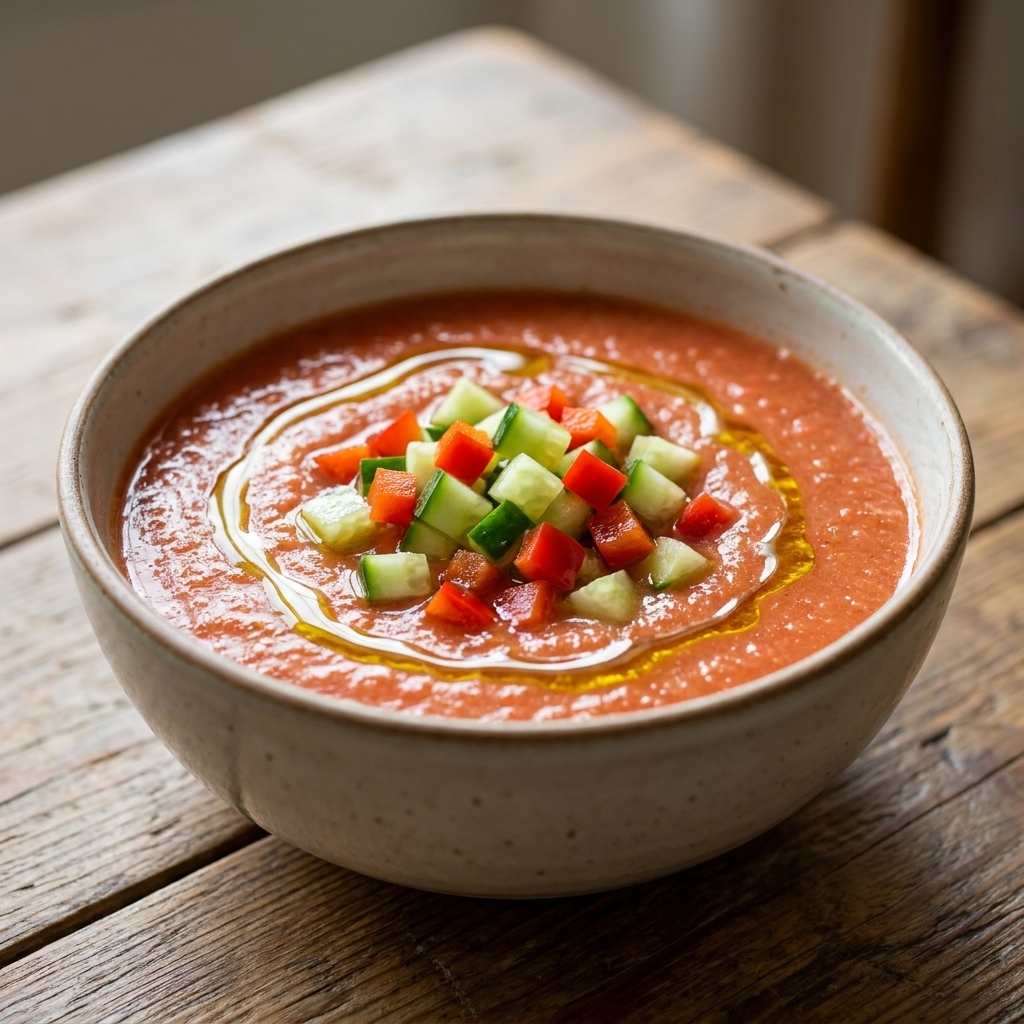
September always sneaks up on me. One day the garden is bursting with sun-warm tomatoes, and the next morning there is a crisp edge in the air that makes you want a sweatshirt and a simmering pot. This is my favorite bridge-season move: roast the last big wave of tomatoes with garlic and basil, then blend it into a tomato basil bisque-style soup that tastes like late summer but eats like fall.
The best part is the preservation angle. Roasting concentrates flavor and drives off water, which means a tomato soup base that is richer, less watery, and much more freezer-friendly than a quick simmered pot.
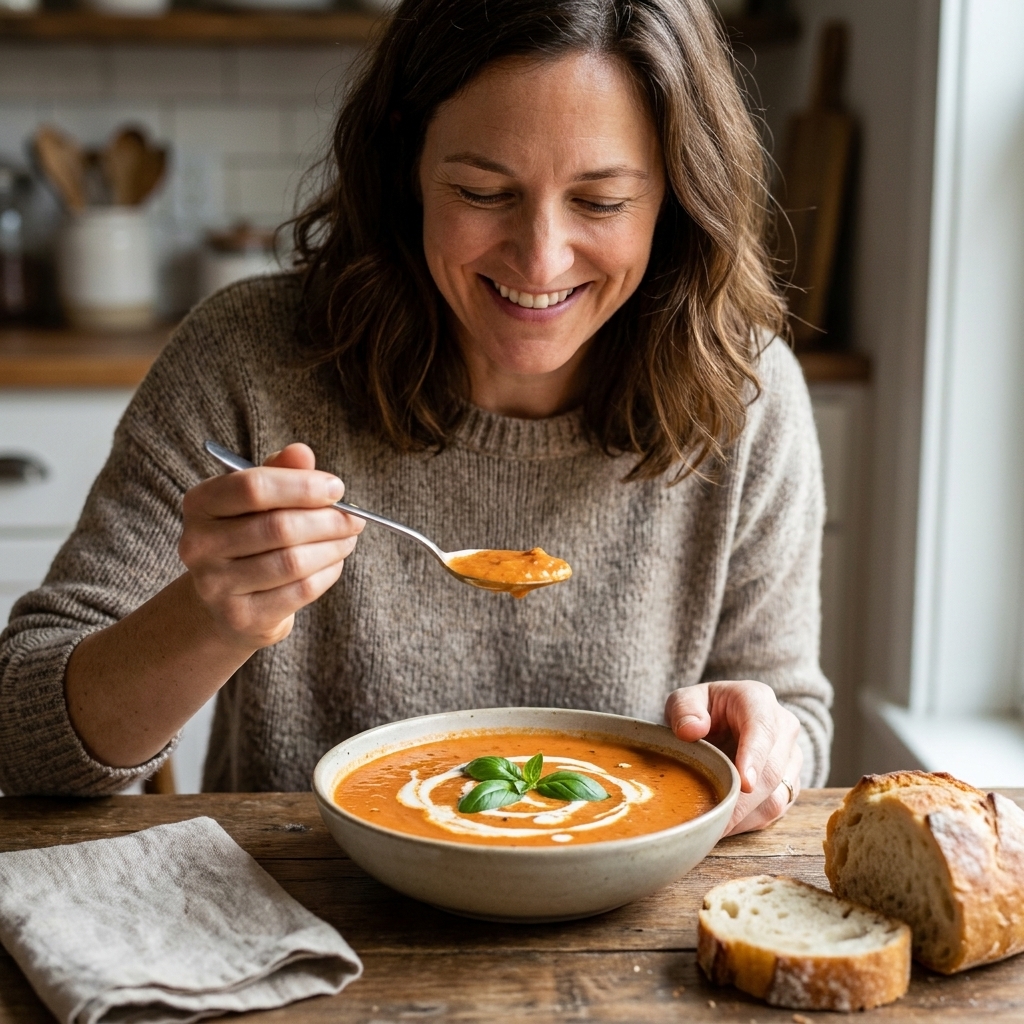
Why roasting is the secret
If you have ever made tomato soup that tasted bright but a little thin, roasting is the fix. High heat caramelizes tomato sugars, deepens savoriness, and adds a cozy sweetness that balances the bright acidity instead of letting it shout.
- More flavor: caramelization plus roasted garlic equals instant depth.
- Better texture: less excess liquid means a creamier finish without relying on tons of dairy.
- Freezer win: concentrated base reheats with less separation and less watery tomato taste.
Best tomatoes for bisque
In an end-of-summer harvest bowl, you usually have a little of everything. Good news: this is forgiving.
- Paste tomatoes (Roma, San Marzano): thick, meaty, lower water. My top pick.
- Slicers (beefsteak, Better Boy): great flavor, a bit juicier. Roast longer.
- Cherry and grape: intensely sweet. Toss them in whole, they blister beautifully.
- Heirlooms: wonderful flavor, but can be watery. Roast until edges brown and juices reduce.
Quick sorting tip: If any tomatoes are cracked or a little soft, they are still perfect for roasting as long as there is no mold. Trim questionable spots generously, and discard anything with an off smell or extensive rot.
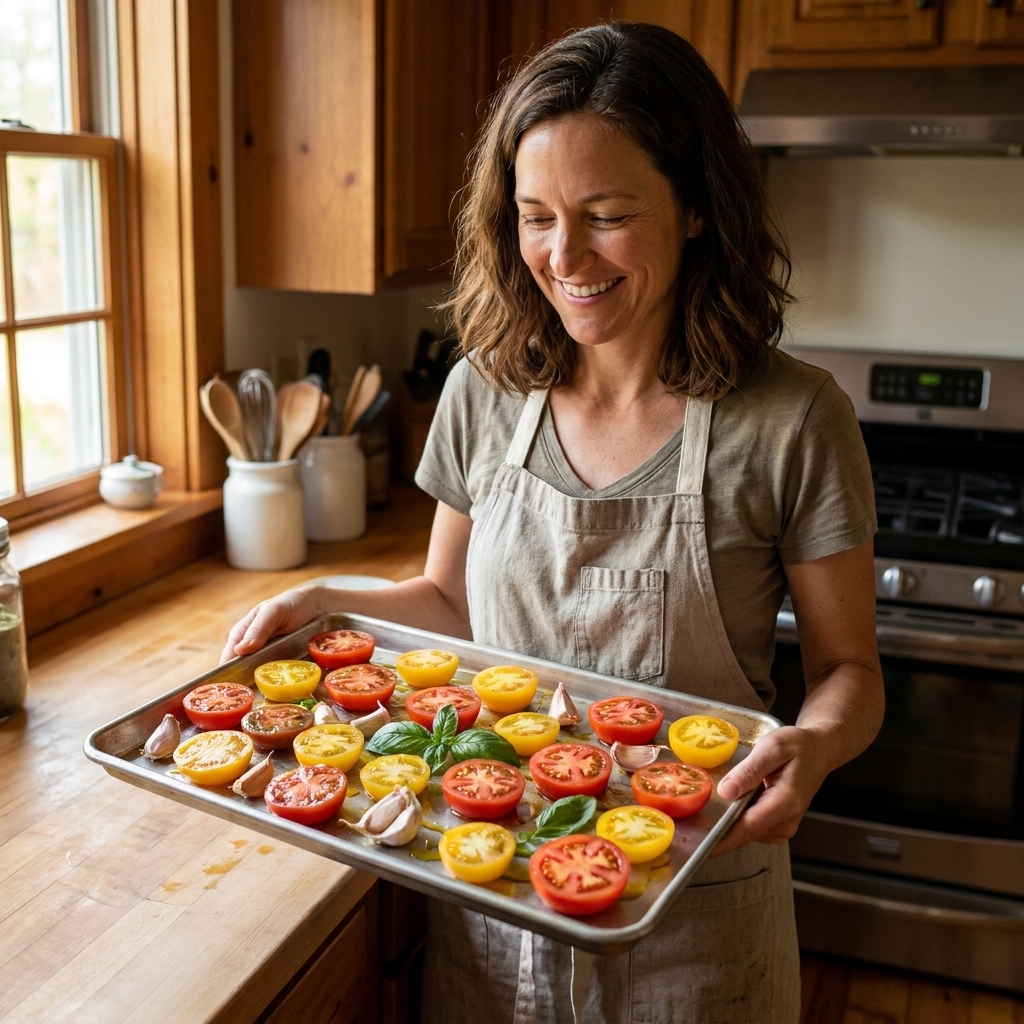
Roast first, blend later
What you need
- Rimmed baking sheets (2 if you have a big harvest)
- Parchment paper or foil (optional, but makes cleanup easy)
- Large pot or Dutch oven
- Blender or immersion blender
- Fine-mesh strainer (optional, for ultra-silky soup)
Core ingredients (flexible)
This is more of a “use what you have” situation than a strict recipe. Aim for these ratios and adjust to taste.
- Tomatoes: about 4 to 5 pounds, cored and halved (or left whole if cherry)
- Aromatics: 1 to 2 onions (or leeks), plus 6 to 10 garlic cloves
- Olive oil: enough to coat and encourage browning
- Herbs: a big handful of basil, plus thyme or oregano if you like
- Seasoning: 1 1/2 to 2 1/2 teaspoons kosher salt to start (then adjust), black pepper, optional pinch of crushed red pepper
- Liquid for blending: broth or stock (chicken or veggie)
- To finish: cream, half-and-half, coconut milk, or none at all
About how much this makes: From 4 to 5 pounds of tomatoes, you will usually get about 2 to 3 quarts of soup, depending on how hard you roast and how much broth you add.
How to roast tomatoes and basil
Here is my method for big, bold flavor and minimal fuss.
Step-by-step roasting
- Heat the oven: 425°F.
- Prep the pans: Spread tomatoes cut-side up (for large tomatoes). Add thick onion wedges and whole garlic cloves (peeled or unpeeled, either works).
- Season generously: Drizzle with olive oil, then sprinkle with salt and pepper. Toss onions and garlic so they get coated.
- Roast: 35 to 55 minutes, depending on tomato size and water content. You want browned edges, collapsed tomatoes, and a pan of concentrated juices.
- Add basil at the end: In the last 5 minutes, scatter basil over the pans so it wilts and perfumes everything without turning bitter.
My tip: If your tomatoes are extremely juicy, rotate pans and roast a little longer. You are not trying to dry them out completely, just reduce the watery part and build that roasted sweetness.
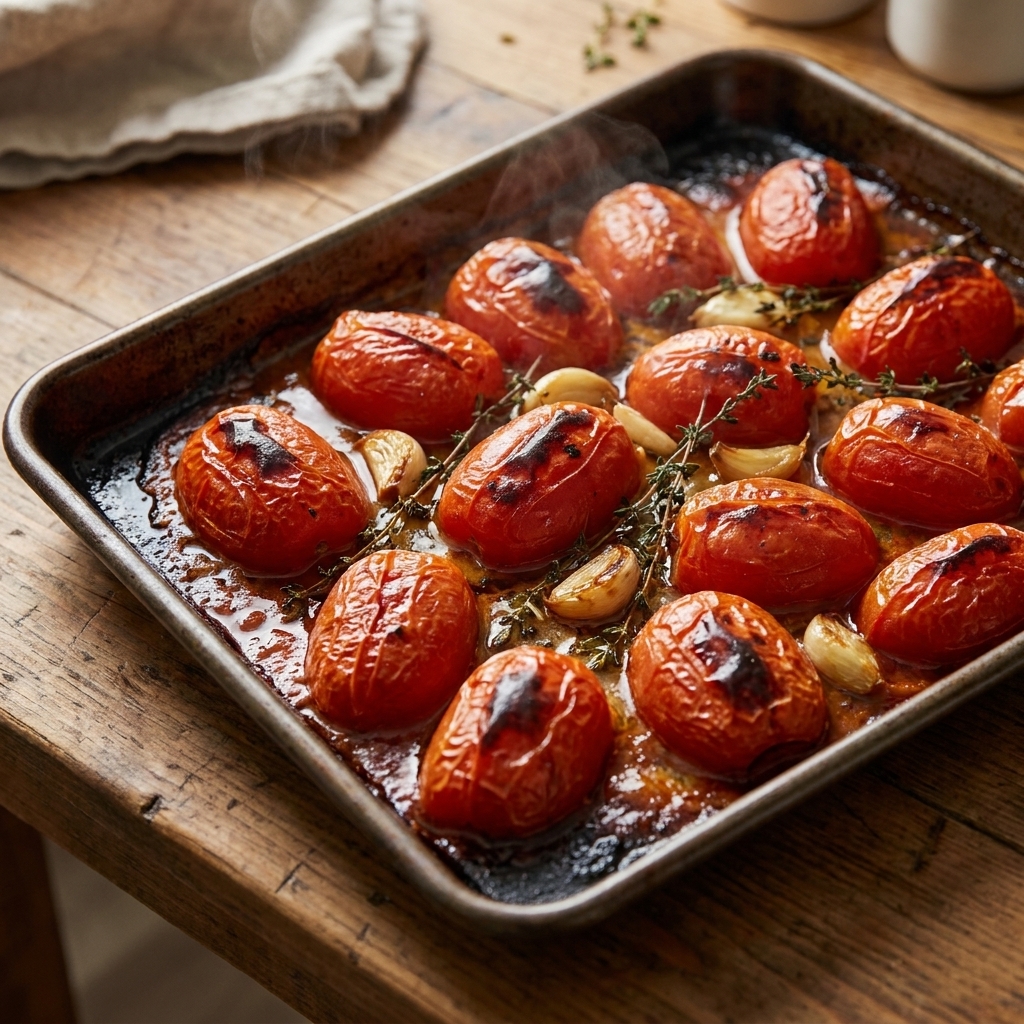
Blend it into bisque
Once everything is roasted, the soup comes together fast. The only real decision is how silky you want it.
Option A: rustic
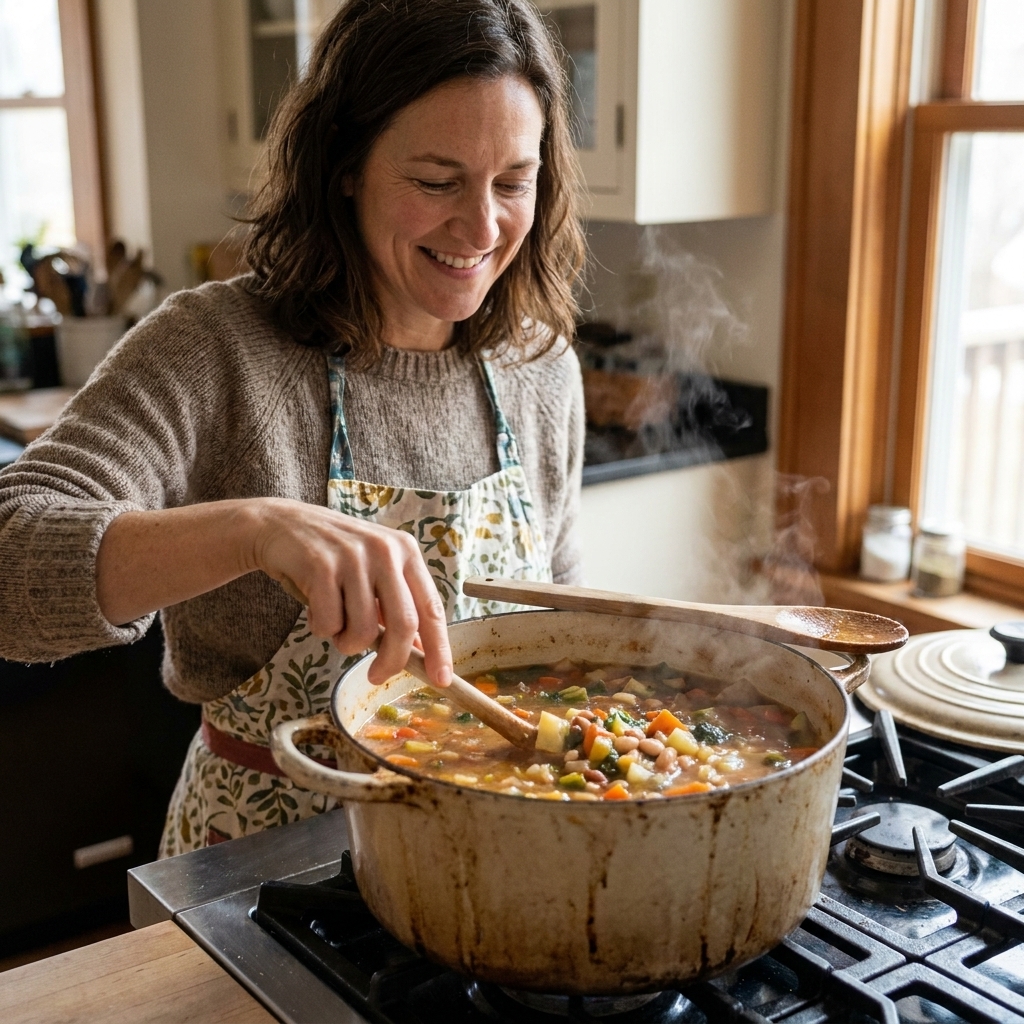
Scrape all roasted vegetables and juices into a Dutch oven. Add 2 to 3 cups broth, bring to a simmer for 10 minutes, then blend with an immersion blender right in the pot.
Option B: smooth
Blend in batches in a countertop blender until very smooth, then pass through a fine-mesh strainer into the pot. This step is optional, but it gives you that classic bisque-style texture, especially if you used heirlooms or big slicers.
Safety note: If using a blender with hot soup, blend in batches, fill the pitcher only halfway, and vent the lid (or remove the center cap and cover with a towel). Hot tomato soup loves to surprise you.
Finish and season
- Balance sharpness: If it tastes too sharp, add salt first. If it still needs it, add a small pinch of sugar or a drizzle of honey. Go slowly.
- Add richness: Stir in 1/4 to 1/2 cup cream or coconut milk off the heat if you want a true bisque feel.
- More depth: A knob of butter at the end tastes like you cooked all day.
Freeze it the smart way
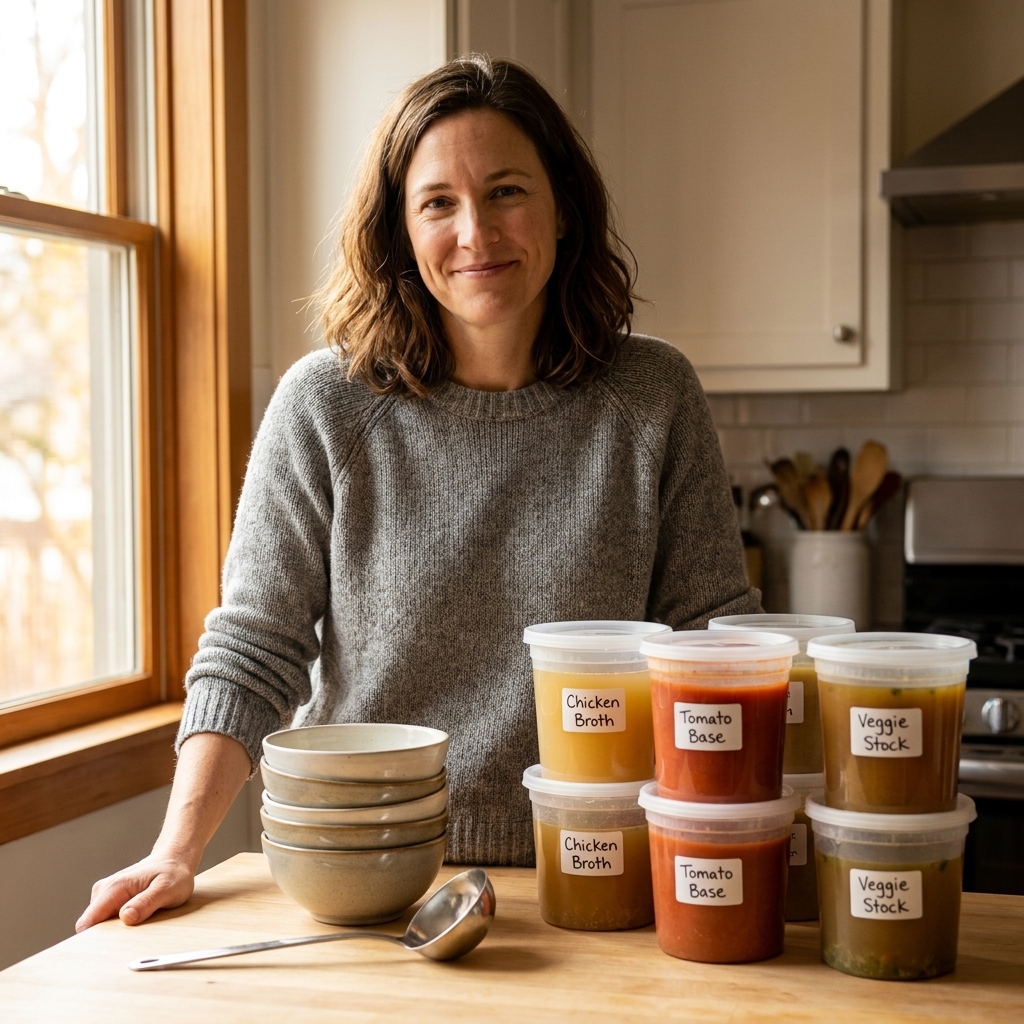
Tomato soup freezes best when you treat dairy carefully. My rule is simple: freeze the base, add cream later. You will get a smoother reheat and less chance of splitting.
Best freezing method
- Cool quickly: Set the pot in a sink of ice water and stir until lukewarm, then refrigerate until fully cold.
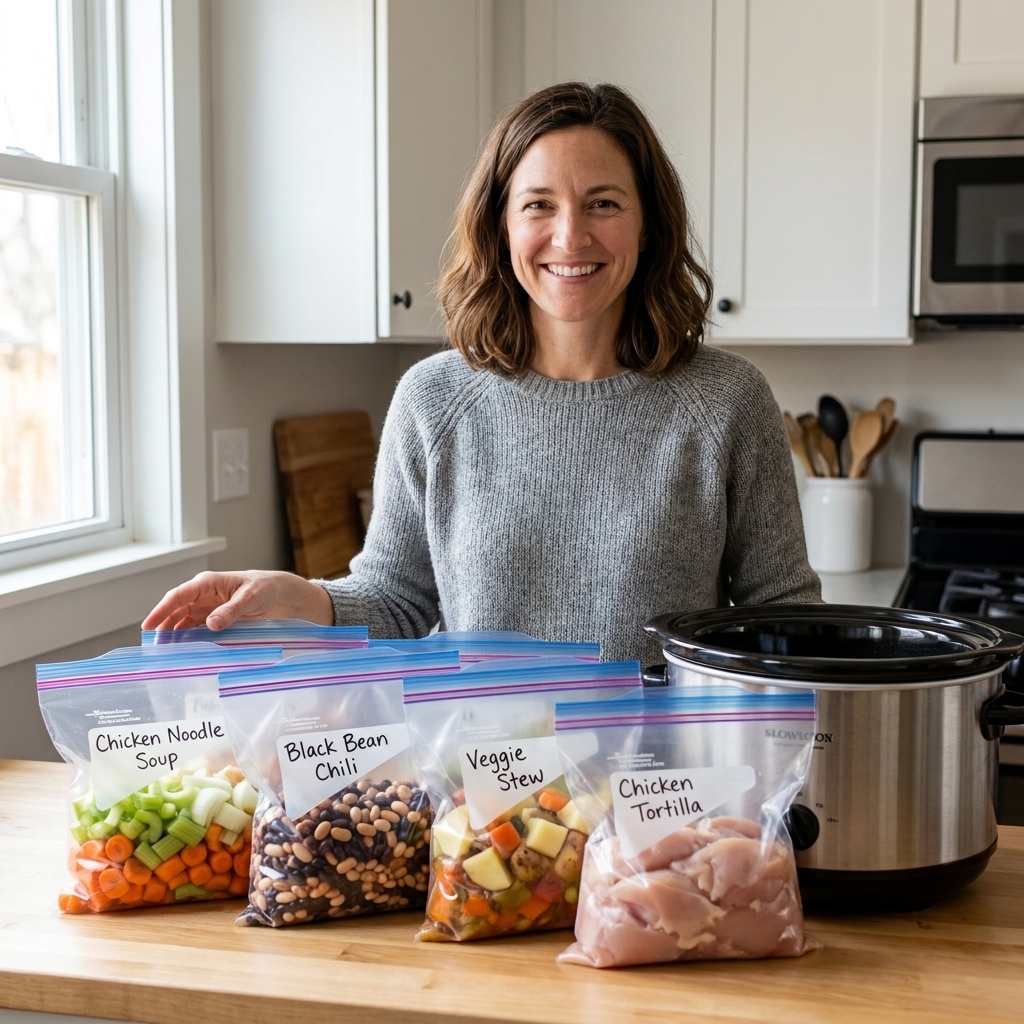
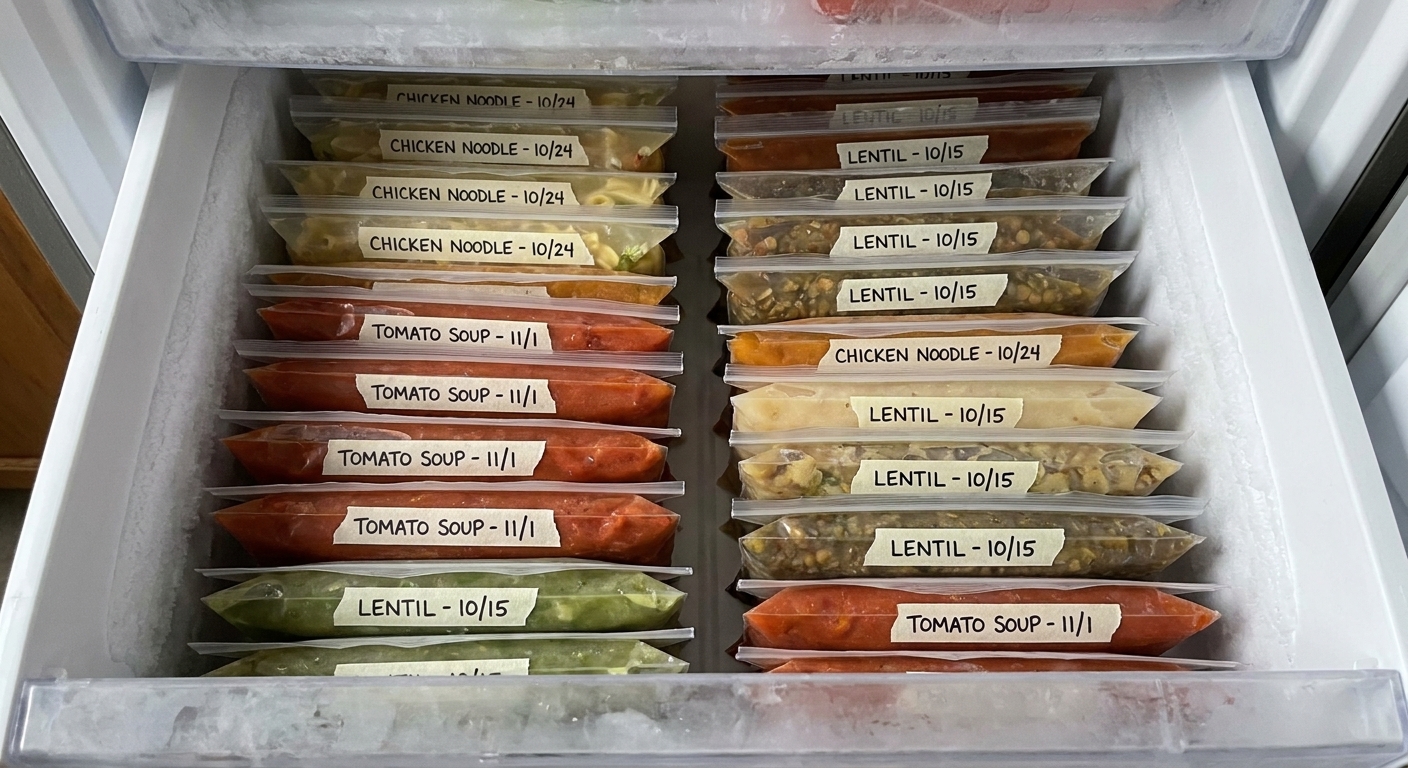
- Portion: Ladle into freezer containers or zip-top freezer bags. Bags freeze flat and stack like books, which I love in a crowded freezer.
- Label: “Roasted Tomato Basil Soup Base” plus the date.
- Freeze: For best flavor, use within 3 months. Kept frozen solid at 0°F, it stays safe longer, but the fresh basil pop will fade over time.
How to reheat without splitting
- Thaw overnight in the fridge if you can.
- Warm gently over medium-low heat, stirring often.
- Add cream or dairy at the end, when the soup is hot but not aggressively boiling.
Easy fall upgrades
This is a transitional soup, and you can nudge it toward sweater season with a few easy add-ins.
- Smoky: a pinch of smoked paprika.
- Cozy spice: a tiny pinch of ground fennel or coriander.
- More roasted flavor: roast a red bell pepper alongside the tomatoes and blend it in.
- Protein: stir in shredded rotisserie chicken or white beans for a heartier bowl.
- Greens: a handful of baby spinach stirred in at the end.
What to serve with it
I am forever on the hunt for the perfect crusty loaf, but here are my go-to pairings when I want a full, cozy dinner.
- Grilled cheese: sharp cheddar, or cheddar plus a little fontina.
- Garlic bread: especially good if you kept the soup dairy-free.
- Simple salad: arugula with lemon and olive oil cuts the richness.
- Roasted broccoli: sheet pan dinner energy, minimal effort.
Troubleshooting and FAQs
My soup tastes too acidic. What now?
Add salt first, then try 1/4 teaspoon sugar or a drizzle of honey. If you are finishing with cream, that also softens the edges.
Do I need to peel the tomatoes?
No. Roasting and blending breaks skins down a lot. If you want it very silky, strain the blended soup through a fine-mesh strainer.
Can I use dried basil?
Fresh basil is the end-of-summer magic here, but you can use dried in a pinch. Add 1 to 2 teaspoons during the simmer step, not at the end.
Why is my soup watery?
Either the tomatoes had a lot of water or the roast time was short. Fix it by simmering uncovered to reduce, or roast longer next batch until you see browned edges and thickened pan juices.
Can I can this instead of freezing?
I stick to freezing for this one. Safe home canning requires tested recipes and specific acid and processing guidelines. Freezing is simpler and keeps the roasted flavor beautifully.
Cook once, eat twice
If you are already turning on the oven, make it worth it. Roast two pans of tomatoes, blend a big batch, and freeze half as a base. Future-you gets fast comfort on a chilly October weeknight, and you get to feel very smug about it while dipping bread into a steaming bowl.
When you pull a container from the freezer, all that late-summer basil and roasted tomato sweetness comes right back. That is my kind of seasonal magic.