
There is a moment that happens in my kitchen every winter. The pot has been simmering for hours, the house smells like onions and spices and slow comfort, and then I take a taste and think, “Why does this feel… heavy?” Not bad. Just sleepy.
That is almost always your cue for an acidic finish. A tiny hit of vinegar, citrus, or something pickled right at the end can make a rich stew taste more like itself: more tomato-forward, more chili-forward, brighter. Like somebody turned the lights on.

Why acid works
Most stews and chili are built on rich things: browned meat, rendered fat, long-cooked onions, beans, tomato paste, maybe a splash of beer. All that depth is wonderful, but it can also dull your palate. Acid cuts through richness and helps your tongue pick up flavors that are already there.
Here is the practical kitchen science in plain English:
- Acid balances fat and salt. When something tastes greasy or overly “round,” a little acid creates contrast so the stew tastes less heavy without actually being less hearty.
- Acid wakes up aroma. Bright flavors are partly about smell. Citrus zest and the sharper notes in vinegar are more noticeable when added late, before they have time to cook off.
- Acid can sharpen muddled flavors. Long simmers are amazing for tenderness and body, but they can blur the edges. A last-second splash brings definition back.
One more thing I always keep in mind: not all acids taste the same. Vinegar can feel sharp, citrus feels fresh, and pickled things bring tang plus their own personality (garlic, peppers, dill). You are not choosing based on pH. You are choosing based on what matches the pot.
Why the end? If you add most acids too early, they mellow out and disappear. Acid can also slow the softening of beans, and adding a lot early can change meat texture in ways you might not love. Finishing acid is a quick, controlled adjustment, like seasoning with salt, but brighter.
If your pot is bean-heavy and the beans are still firm, let them get tender first, then reach for the acid.
How to add it
This is my rule of thumb for a typical pot of stew or chili (about 6 to 8 servings):
- Start with 1 teaspoon of your chosen acid.
- Stir, wait 30 seconds, then taste.
- Add more in 1 teaspoon steps until it tastes lively.
If you are finishing with something salty (pickle brine, capers, pepperoncini), taste for salt again afterward. Acid plus salt can be magical, but it is easy to overshoot.
1) Red wine vinegar
If I had to pick one “always works” option for beef stew and tomato-based chili, it would be red wine vinegar. It is sharp enough to brighten, but not so loud that it tastes like salad dressing.
Best with
- Beef chili with tomatoes
- Short rib stew
- Lentil stew with smoked paprika
How much
Start with 1 teaspoon per pot. For a big Dutch oven, you might land at 1 tablespoon.
My tip
Add it off the heat, stir, then cover the pot for a minute. That short rest lets the sharp edge settle into the broth.
2) Apple cider vinegar
Apple cider vinegar is my cozy workhorse, especially when there is pork, beans, or anything a little sweet going on (sweet potatoes, corn, brown sugar in chili).
Best with
- Pork chili verde that needs lift
- White chicken chili
- Bean-heavy chili and soups
How much
1 to 2 teaspoons to start. It can read fruity if you go too hard.
My tip
If your chili tastes both sweet and flat, cider vinegar is often the fix before you reach for more salt.
3) Fresh lime juice
Lime is like a squeeze of brightness that also makes spices feel fresher. It is especially good in chili with cumin, coriander, chipotle, or anything vaguely Tex-Mex.

Best with
- Beef or turkey chili with cumin and chili powder
- Chicken chili with peppers
- Black bean and sweet potato chili
How much
Start with 1 tablespoon for a pot. Lime usually tastes gentler than vinegar at typical finishing amounts, so you can often add a bit more without crossing into “sour.”
My tip
If you have 30 seconds, add a pinch of lime zest too. Zest is pure aroma, and it screams “fresh” even when dinner is deeply simmered.
4) Lemon juice
Lemon is cleaner and less tropical than lime. When a stew feels rich from butter, cream, or lots of browned meat, lemon can slice through without changing the theme of the dish.
Best with
- Chicken stew (especially with thyme or rosemary)
- Creamy white bean stew
- Beef barley soup that tastes a little dull
How much
Start with 2 teaspoons and work up. Lemon can go from bright to sharp quickly.
My tip
Lemon loves herbs. If your stew has parsley, dill, or basil on top, a squeeze of lemon right before serving ties it all together.
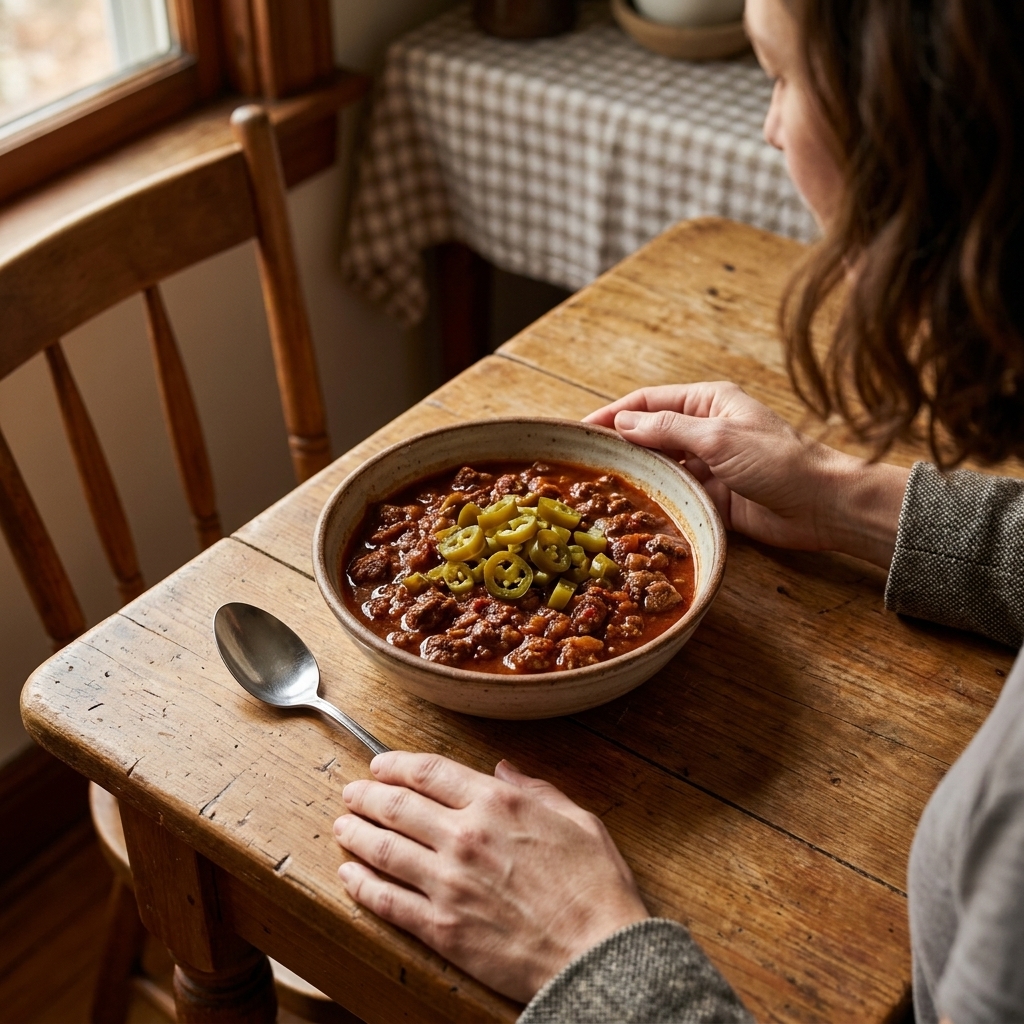
5) Pickled jalapeños
This is one of my favorite cheat codes because it brings acid plus heat in one move. Chopped pickled jalapeños on top wake up a bowl fast, and a tiny splash of the brine can rescue a whole pot.
Best with
- Beef chili
- Turkey chili
- Chili with lots of cheese on top
How much
- As a garnish: 1 to 2 tablespoons chopped per bowl
- In the pot: start with 1 teaspoon brine, taste, then add more carefully
My tip
If your chili is already spicy, use the brine only and skip the peppers. You still get the bright snap without turning dinner into a dare.
6) Pepperoncini
Pepperoncini are tangy, a little sweet, and just mildly spicy. I love them in rich, meaty stews that could use a zingy top note without tasting like vinegar.
Best with
- Italian-ish beef stew with tomatoes
- Sausage and bean stew
- Anything with oregano, basil, or fennel
How much
Add a few rings per bowl, plus a tiny drizzle of brine if you want more punch.
My tip
Chop pepperoncini finely and stir into sour cream or Greek yogurt for a quick tangy topper that also cools the heat.
7) Prepared mustard or horseradish
This one surprises people, but prepared mustard is often an acidic finish because it is usually vinegar-based, and it also adds bite and complexity. Prepared horseradish is similar: many jars are packed with vinegar, which is part of why it works so well in beefy, dark pots.
It is especially good when your stew is ultra beefy and you want it to taste sharper without adding more salt.
Best with
- Beef stew, pot roast style
- Chili that leans smoky and dark
- Stews with mushrooms or Guinness
How much
- Dijon mustard: start with 1 teaspoon stirred into the pot
- Prepared horseradish: 1/2 teaspoon at a time, or serve it at the table
My tip
If you are worried about overpowering the pot, whisk mustard with a ladle of hot broth in a mug first, then stir it back in. It blends smoothly and you stay in control.
Quick matching guide
If you are standing over the stove wondering what to grab, here is a simple way to choose:
- Tomato-based beef chili: red wine vinegar, lime, or pickled jalapeños
- Bean-heavy chili: cider vinegar or lime (but wait until the beans are tender)
- Creamy stew: lemon juice
- Rich beef stew: red wine vinegar, Dijon, or horseradish
- Cheesy toppings involved: pickled jalapeños or pepperoncini
Common mistakes
- Adding acid too early. If it goes in during the simmer, it often disappears. Finish with it instead.
- Dumping instead of dosing. Add a little, taste, then add more. You can always add, but you cannot easily take it out.
- Forgetting salt after brines. Pickle juice and pepper brine bring salt. Taste again before you reach for the salt cellar.
- Trying to fix bitterness with more acid. If your chili tastes bitter from scorched spices or too much dark chili powder, try a small pinch of sugar or more broth first. Then use acid to brighten.
FAQ
Can I use bottled lemon or lime juice?
You can, especially in a pinch. Fresh tastes brighter and more fragrant, but bottled still does the balancing job. If using bottled, start smaller and taste as you go because the flavor can read harsher.
What if my stew is already tomato-y?
Maybe. Tomatoes bring acidity, but long cooking mellows it out. If the stew tastes rich but a little flat, a tiny finishing splash can still help.
Will acid make my meat tough?
Not when used as a finish. Texture issues are more likely when a lot of acid is added early and the dish cooks in it for a long time. A teaspoon or two at the end is safe and effective.
How do I fix it if I added too much acid?
Stir in a little more broth, beans, or crushed tomatoes to dilute. A small pinch of sugar can round it out too. If it is a creamy stew, a spoonful of sour cream can soften the sharpness.
My last taste
Right before I call everyone to the table, I taste for three things: salt, heat, and brightness. Salt and heat get all the attention. Brightness is the quiet one, and it is usually what turns a good pot into a great one.
Keep a lemon, a lime, and a bottle of vinegar in easy reach. Your future stews will thank you.