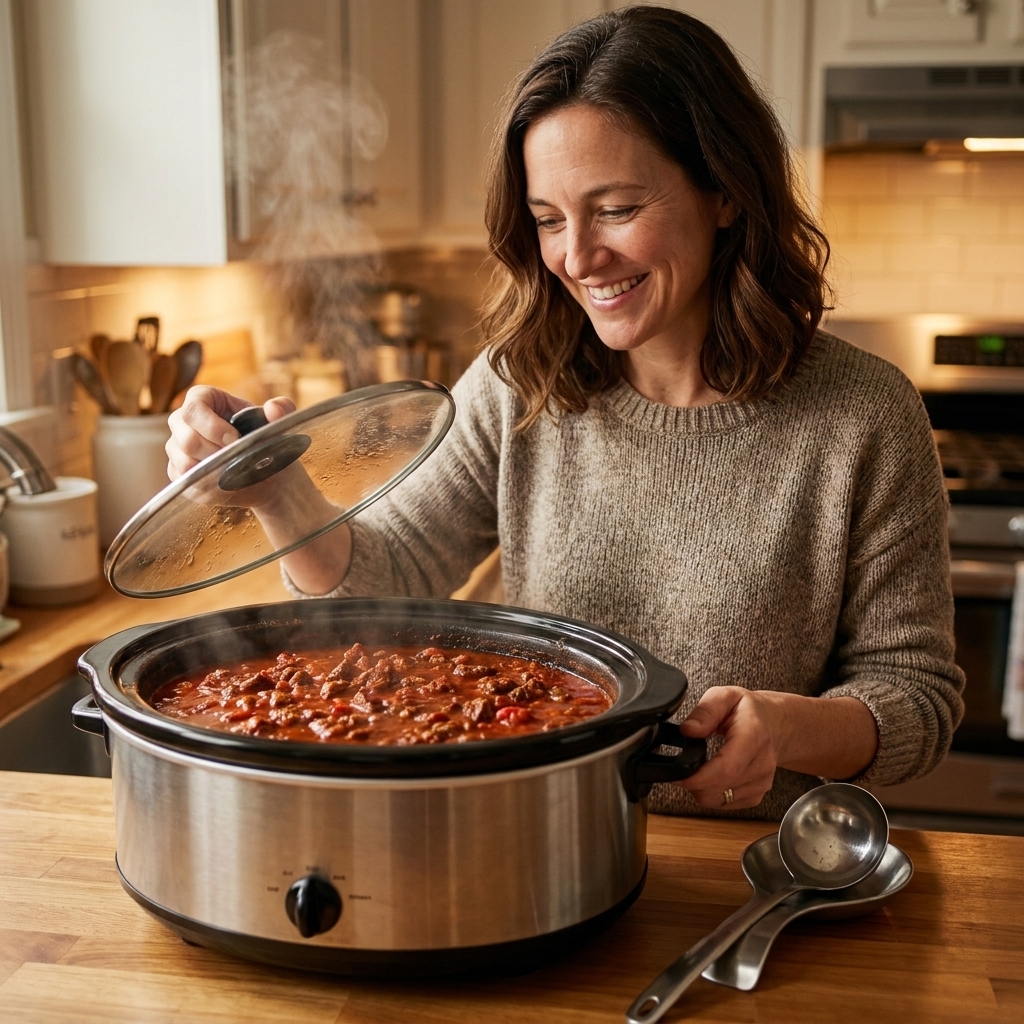

There is a very specific kind of comfort that comes from a pot of chili quietly burbling away on the stove while snow stacks up outside. And in that pot, beans do more than “bulk things up.” They bring creamy body, a little starch to thicken the broth, and that satisfying bite that makes chili feel like a real meal.
So which beans make the best chili, dried or canned? I cook with both all winter long, and the honest answer is: each one shines in different situations. The best choice depends on how much time you have, what texture you want, and how bean-forward your chili is.
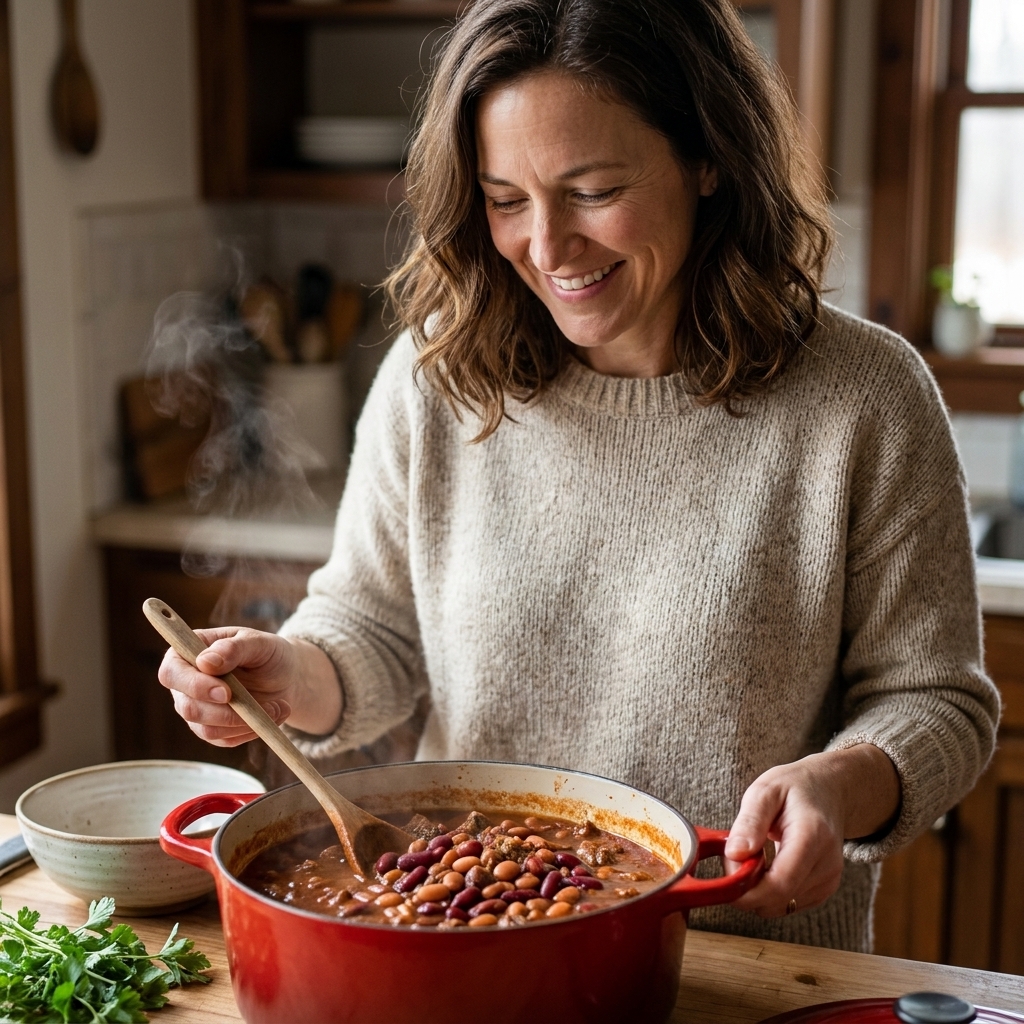
The big differences
If you only read one section, make it this one.
- Dried beans: Best for sturdy, creamy-yet-intact texture and deeper bean flavor. More planning and longer cook time.
- Canned beans: Best for speed and convenience, especially on weeknights. Texture is usually softer and can turn a bit pasty if over-simmered.
Prep time and effort
Dried beans
Dried beans ask for time more than effort. Plan ahead: an overnight soak plus cooking time makes this a next-day situation, while a quick-soak can still get you there the same afternoon.
They need sorting and rinsing, then either a soak or a longer simmer. For chili, you have two good paths:
- Soak overnight (8 to 12 hours): More predictable cooking time and more even texture.
- Quick-soak: Bring beans to a boil for 2 minutes, cover, and rest for 1 hour. Then drain and proceed.
After soaking, most beans still need about 60 to 90 minutes of gentle simmering to become chili-ready, sometimes longer depending on the bean variety, how old they are, and even your water.
Canned beans
Canned beans are already cooked and pressure-processed in the can, typically until very tender. You rinse, drain, and add them near the end. That is it. For a 30-minute chili, canned beans are basically the reason it works.
My weeknight rule: If the chili is done before my rice finishes or my cornbread comes out, I am using canned beans and nobody is mad about it.
Texture
Why dried beans usually win
When you cook dried beans yourself, you control the finish line. You can stop when they are tender but still hold their shape, which is exactly what I want in a hearty bowl. Dried beans also release starch gradually, which gives chili a naturally thicker, silkier base without turning the whole pot into bean paste.
Dried beans are especially great when:
- You want beans that stay distinct after a long simmer.
- You plan to freeze the chili and reheat it later.
- The chili is bean-forward (vegetarian, turkey chili with lots of beans, three-bean chili).
The canned bean tradeoff
Canned beans are usually softer because they have already been cooked thoroughly. They can be totally delicious, but they are more delicate. If you simmer them hard or for too long, they start to split, and the liquid can get a little chalky or overly starchy.
How to keep canned beans from going mushy:
- Rinse and drain well (it reduces excess starch and that “canned” thickness).
- Add them in the last 15 to 30 minutes of cooking, once the base is where you want it.
- Keep the chili at a gentle simmer, not a rolling boil.

Flavor
Dried beans bring their own flavor
Dried beans taste more like beans. That sounds obvious, but it matters in chili where the spice blend, tomatoes, meat, and aromatics can be bold. Home-cooked beans have a cleaner, nuttier flavor and, in my experience, a more satisfying “beaniness” that holds up next to chili powder and smoked paprika.
They also absorb flavor as they cook, which is wonderful, but it comes with one big caution: acidic ingredients can slow bean softening. Tomatoes, vinegar, beer, and lots of lime can make beans take longer to become tender, especially if the beans are older or your water is hard.
Best practice for dried beans in chili: Cook beans until nearly tender in lightly salted water (or broth) first, then add them to the chili base with tomatoes and spices to finish. If you want a thicker pot, stir in a splash of the bean cooking liquid. It adds body in a way plain water cannot.
Canned beans are more about the chili
Canned beans do absorb some flavor, but because they are already cooked, they are mostly getting coated and warmed through. The chili will still taste great, but the beans themselves tend to be milder and softer.
To boost flavor with canned beans: Build a strong base. Take a few extra minutes to deeply brown the meat, caramelize onions, and bloom your spices in fat before adding liquid. Those steps matter more when the beans are not contributing as much.
My favorite method
If you love the depth and texture of dried beans but you do not want a three-hour project, hybrid chili is a sweet spot.
Here is how I do it:
- Use one type of dried bean (often pinto or black) cooked until just tender.
- Add one can of a second bean (often kidney) near the end for variety and convenience.
You get that cooked-from-scratch body, plus the fast finish and a second texture in the bowl.
Best pick by style
Texas-style chili (no beans)
Neither. But if you are serving a crowd, a pot of bean chili on the side keeps everyone happy.
Classic beef and bean chili
Dried beans if you have time. They stay intact and feel more stew-like, especially if you simmer low and slow.
Turkey or chicken chili
Canned beans work beautifully here because these chilis are often lighter and faster. Add beans once your base tastes right and keep the simmer gentle.
Vegetarian chili
Dried beans shine because beans are the main event. The extra bean flavor and thicker body make a meatless pot feel just as satisfying.
30-minute chili
Canned beans without question. Put your energy into browning and seasoning well.
Bean notes
- Pinto: Creamy and thickening. Dried pintos give that velvety, cozy body I love in a long-simmered pot.
- Black beans: Hold their shape well when cooked from dried. Canned black beans can be perfect if added late.
- Kidney: Classic chili bean. Dried kidneys stay pleasantly firm, but they must be cooked properly: boil for 10 minutes, then simmer until fully tender. Avoid cooking dried kidney beans only on low heat in a slow cooker.
- Navy or great northern: Softer, more delicate. Great for white chili styles, less ideal if you want distinct beans after a long simmer.
Tips that help
For dried beans
- Buy fresher beans when you can. Older dried beans can take forever to soften.
- Salt the cooking water. Contrary to old advice, salting early helps beans taste seasoned and can improve texture.
- Watch the acid. Save tomatoes and vinegar-heavy ingredients until beans are mostly tender.
For canned beans
- Rinse well. It improves flavor and helps avoid a gummy pot.
- Add late. Warm them through, do not punish them for an hour.
- Mind the salt. Canned beans vary a lot in sodium. If you are seasoning aggressively, consider no-salt-added beans so you stay in control.
- Try a quick bean “marinade.” Toss drained beans with a spoonful of chili base and let them sit while the pot simmers, then stir in near the end.
Storage and leftovers
Chili is one of my favorite cook-once-eat-twice meals, and beans behave a little differently depending on what you used.
- Dried-bean chili: Usually reheats beautifully. Beans stay intact, and the chili often thickens in a satisfying way overnight.
- Canned-bean chili: Still great the next day, but beans can soften further. Reheat gently and add a splash of broth or water to loosen.
Freezer note: Both freeze well, but if you are picky about bean texture, dried beans tend to hold up better after thawing and reheating.
Quick FAQ
Do I have to soak dried beans for chili?
No, but soaking helps them cook more evenly and can shorten the simmer time. If you skip soaking, plan for a longer, gentler cook and keep extra broth on hand.
Can I cook dried beans directly in the chili with tomatoes?
You can, but it is less predictable. Acidic ingredients can slow softening, so you may end up with beans that are still firm long after everything else is done. If you want reliability, cook beans until nearly tender first, then combine.
Should I use the liquid from canned beans?
For chili, I usually do not. That liquid can be starchy and a little metallic-tasting. Rinsing and draining gives you a cleaner flavor. If you need thickening, mash a small scoop of beans and stir them back in instead.
What is the best bean texture for chili?
Tender all the way through, creamy inside, and still holding its shape. If beans are splitting all over the place, they have been simmered too hard or too long.
So, which should you choose?
If you want the best texture and deepest bean flavor, go dried. They give you that hearty, spoon-coating chili that tastes like it has been loved for hours, because it has.
If you want fast, dependable, weeknight chili, go canned and do not apologize for it. Rinse them, add them once your base is right, and focus your attention on building that strong foundation.
And if you are like me and you keep both in the pantry, consider a hybrid pot. It is the most real-life answer, and it makes a seriously good bowl of chili.