
There is a certain magic to a pot of soup that has been quietly burbling away for hours. The broth turns velvety, the edges round off, and everything tastes a little more like itself. But on a Tuesday at 6:12 pm, we do not always have “hours.”
So here is my home-cook secret: you can build that slow-simmered vibe in a quick soup if you know which ingredients deliver depth fast. I keep a few of these in the pantry at all times, and once you start using them, your 30-minute soups will taste like the lazy Sunday versions.

1) Miso paste
Miso is my favorite “instant stock” trick. It brings salt, savoriness, and that gentle fermented complexity you normally get from long cooking. White (shiro) miso is mild and friendly for most soups. Red (aka) miso is bolder and great for heartier bowls.
How to use it
- Amount: Start with 1 to 2 teaspoons per quart (4 cups), then taste and adjust.
- When: Stir it in at the end. A hard boil, especially for more than a minute or two, can mute miso’s aroma. Gentle heat is fine.
- How: Mash miso with a ladle of hot broth in a small bowl until smooth, then stir back into the pot.
Best in: quick chicken noodle, mushroom soup, veggie-packed minestrone, ramen-ish pantry soups.
Diet note: Miso varies. Some contains barley or other gluten grains, so check the label if you need gluten-free.
2) Soy sauce (or tamari)
If your soup tastes “fine” but not “wow,” it often needs a little more browned, savory backbone. Soy sauce does that in one splash. It also deepens color, which reads as richer on the palate.
How to use it
- Amount: 1 to 2 teaspoons per quart to start, more as needed.
- When: Add early if you want it to melt into the base, or late if you want a brighter pop of umami.
- Tip: If your broth is already salty, use low-sodium soy and adjust slowly.
Best in: beefy vegetable soups, chicken and rice, mushroom barley, quick wonton-style soups.
Diet note: Tamari is often gluten-free, but not always. Check the bottle if that matters for you.

3) Parmesan rind
Parmesan rinds are the quiet heroes of slow-simmered flavor. They add nutty depth and a subtle, silky body as they simmer. I keep a bag of rinds in the freezer like a little soup insurance policy.
How to use it
- Amount: 1 rind for a pot of soup (about 6 to 8 cups).
- When: Add as soon as your broth goes in so it has time to work.
- How long: 15 to 30 minutes is enough to notice a difference. Fish it out before serving.
Best in: tomato soup, minestrone, white bean soup, Italian wedding soup, broccoli cheddar style soups (yes, even there).
Quick safety note: Use rinds from real Parmesan or Parmigiano-Reggiano, and skip any rind that looks wax-coated.
4) Tomato paste (brown it first)
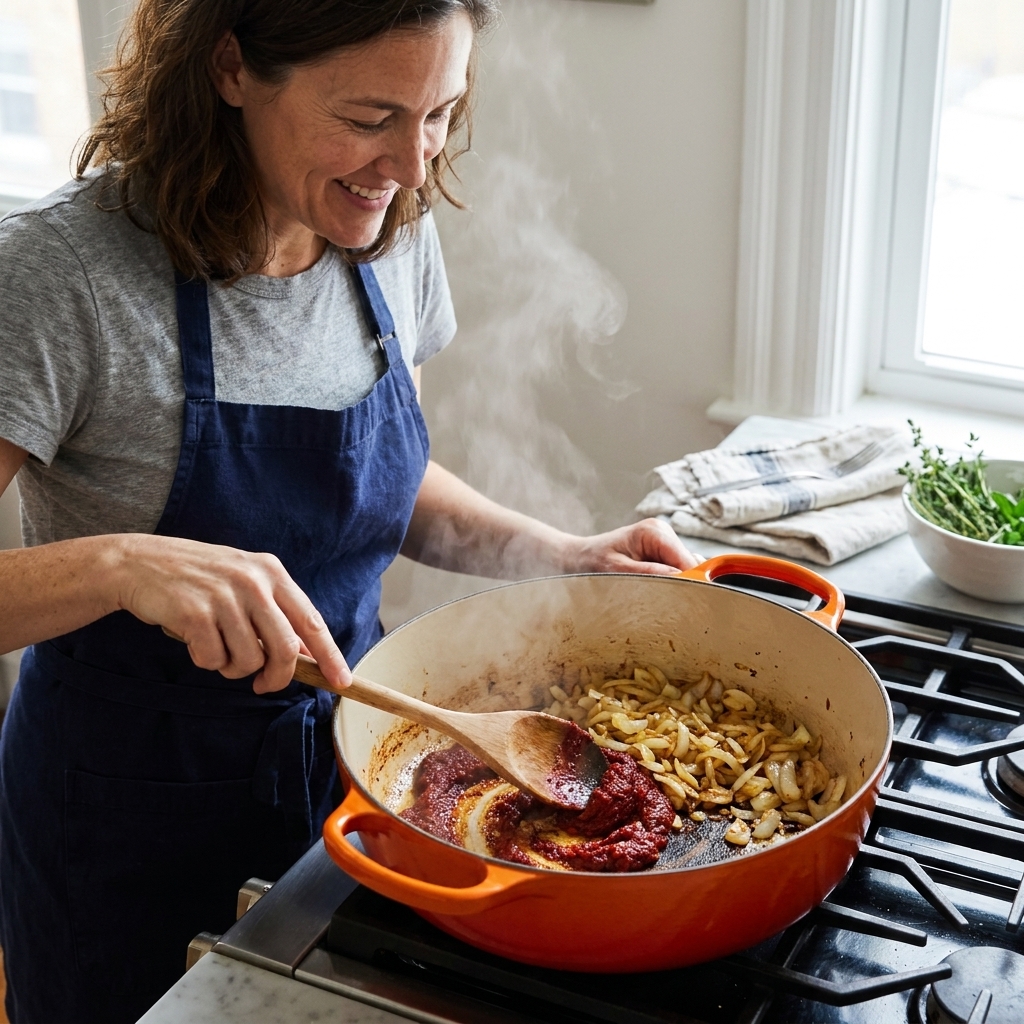
Tomato paste is not just for tomato soup. When you toast it in the pot for a minute or two, it darkens, turns a little roasty, and takes on that deeper flavor that tastes slow-cooked.
How to use it
- Amount: 1 tablespoon per quart, more for chili-style soups.
- When: After sautéing onions, garlic, or aromatics, push them aside, add paste to the bare spot, and cook until it darkens slightly and smells a little sweet.
- Tip: If you keep tubes of tomato paste in the fridge, you will use this trick constantly.
Best in: lentil soup, beef and veggie soups, quick chili, cabbage soup, sausage and kale soup.
5) Unflavored gelatin (or collagen)
This is the behind-the-scenes reason a long-simmered stock feels luxuriously “sticky” and full-bodied. Bones and connective tissue release gelatin over time, giving broth that restaurant-style texture.
If you are starting with boxed broth, a pinch of gelatin mimics that slow-cooked mouthfeel in minutes. It does not make your soup taste like gelatin. It just makes it taste more like homemade stock.
How to use it
- Amount: Start with 1 teaspoon per quart of broth, then adjust. Depending on the brand and bloom strength, some soups want closer to 2 to 3 teaspoons (about 1 tablespoon) per quart for a more dramatic, stock-like body.
- How: Sprinkle over a few tablespoons of cold water to bloom for 5 minutes, then whisk into hot soup.
- Note: Too much can make broth set up firmly when chilled, which is not a problem once reheated, but it can surprise you in the fridge.
- Collagen peptides: They can add a little richness, but they do not gel the way gelatin does. If you want that classic silky, slightly sticky texture, gelatin is the one.
Best in: chicken soup, turkey soup, beef soup, ramen-ish broths, any brothy soup that feels thin.
6) Smoked paprika
Smoked paprika is my quick shortcut to a whiff of smoke, the kind of cozy depth you might otherwise get from smoked ingredients. It will not replace the richness of something like a ham hock, but it nails the smoky vibe fast. A little goes a long way, and it plays nicely with beans, tomatoes, and greens.
How to use it
- Amount: 1/4 teaspoon per quart to start.
- When: Add with other spices and let it toast briefly in the oil before adding liquid.
- Tip: If your soup is creamy, smoked paprika makes it taste extra cozy and diner good.
Best in: white bean soup, split pea, potato soup, corn chowder, quick tortilla soup.
7) A splash of acid
Long simmering naturally develops balance. Quick soups often need help finding that same rounded taste. The fix is almost always a small hit of acid right at the end. It wakes up the whole pot and makes flavors taste more layered, not sour.
How to use it
- Options: lemon juice, lime juice, red wine vinegar, apple cider vinegar, rice vinegar, or even a spoonful of pickling brine.
- Amount: 1 to 2 teaspoons per quart, added at the end, then taste.
- Tip: If your soup tastes flat, try acid before you add more salt.
Best in: chicken and veggie soups, bean soups, tomato-based soups, spicy soups, anything with greens.

Favorite combos
If you want the easiest path to that all-day taste, use two or three boosters together. Here are a few combinations I reach for constantly:
- Chicken soup upgrade: gelatin + a tiny splash of soy sauce + lemon at the end.
- Bean soup upgrade: parmesan rind + smoked paprika + a splash of vinegar.
- Mushroom soup upgrade: miso + soy sauce + a touch of acid to finish.
- Lentil or veggie soup upgrade: browned tomato paste + parmesan rind + lemon.
Quick troubleshooting
My soup tastes watery
Add gelatin for body, or simmer uncovered for 5 to 10 minutes to concentrate. A parmesan rind also helps.
My soup tastes bland
Try a teaspoon of soy sauce or miso first, then reassess salt. Finish with a tiny splash of acid.
My soup tastes salty
Add more unsalted broth or water, then rebuild flavor with toasted tomato paste and a squeeze of citrus. If you used soy sauce, pause there and add acid instead of more salt.
My soup tastes sharp
Stir in a knob of butter or a drizzle of olive oil for roundness, and consider a parmesan rind next time. Harshness can also come from undercooked tomato paste, so cook it down until it darkens and smells a little sweet.
Stock the pantry
I am a big believer in cook once, eat twice, but I am also a realist who keeps smart shortcuts around. If you want quick soups that taste like you babysat the pot all afternoon, keep these on hand:
- Miso paste
- Soy sauce or tamari
- Tomato paste in a tube
- Unflavored gelatin packets
- Smoked paprika
- Lemons or a vinegar you love
- Parmesan rinds in the freezer
Then the next time you are staring into the fridge thinking, “I can make soup, but it is going to taste rushed,” you will have a few quiet tricks ready to make it taste like it had all the time in the world.