Texas red is not a “throw it all in the pot” chili. It is a careful build. Whole dried chiles turned into a silky paste, beef browned hard enough to leave a dark fond, and a slow simmer that transforms everything into a brick-red, glossy bowl you want to drag a torn piece of bread through.
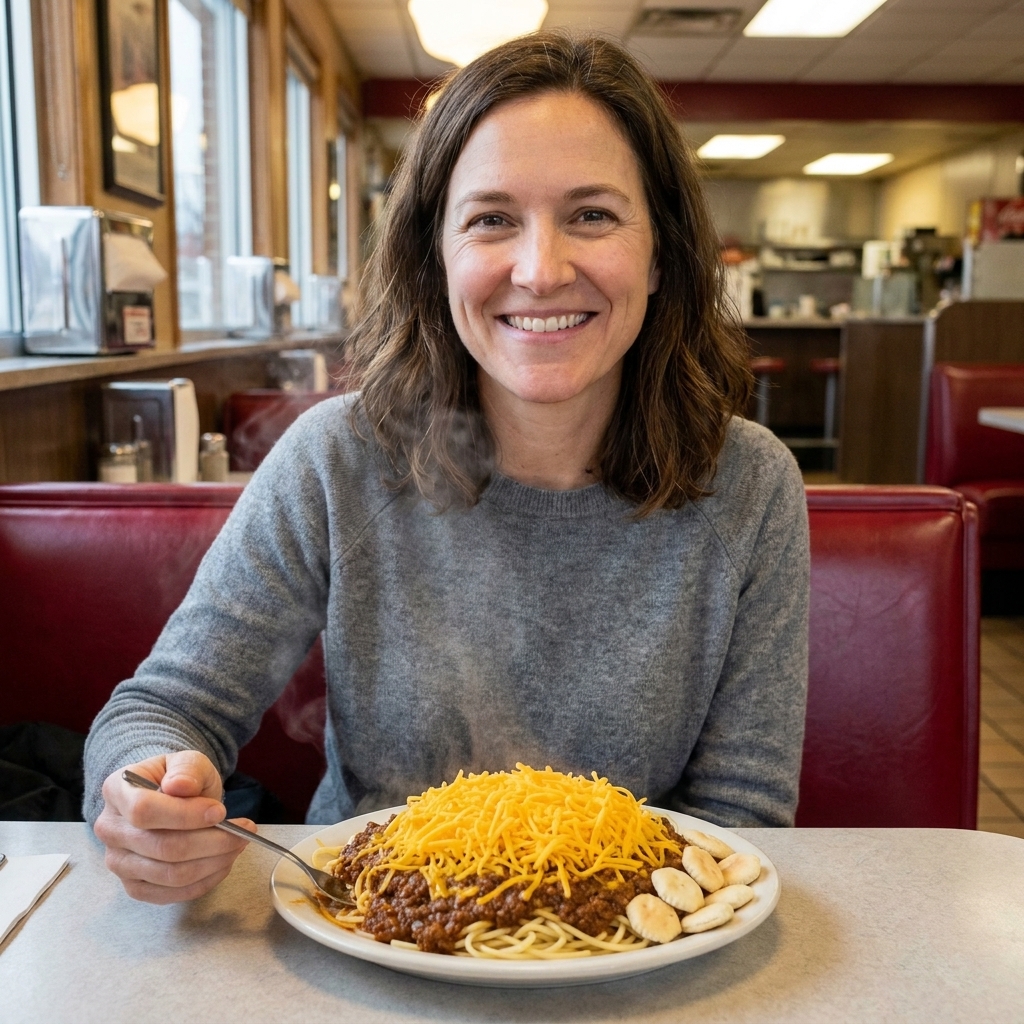
I grew up in upstate New York where winter felt endless, and chili night meant warmth first and questions later. Texas red is a different kind of comfort. It is simple on paper, but it rewards you for doing a few steps like you mean it.
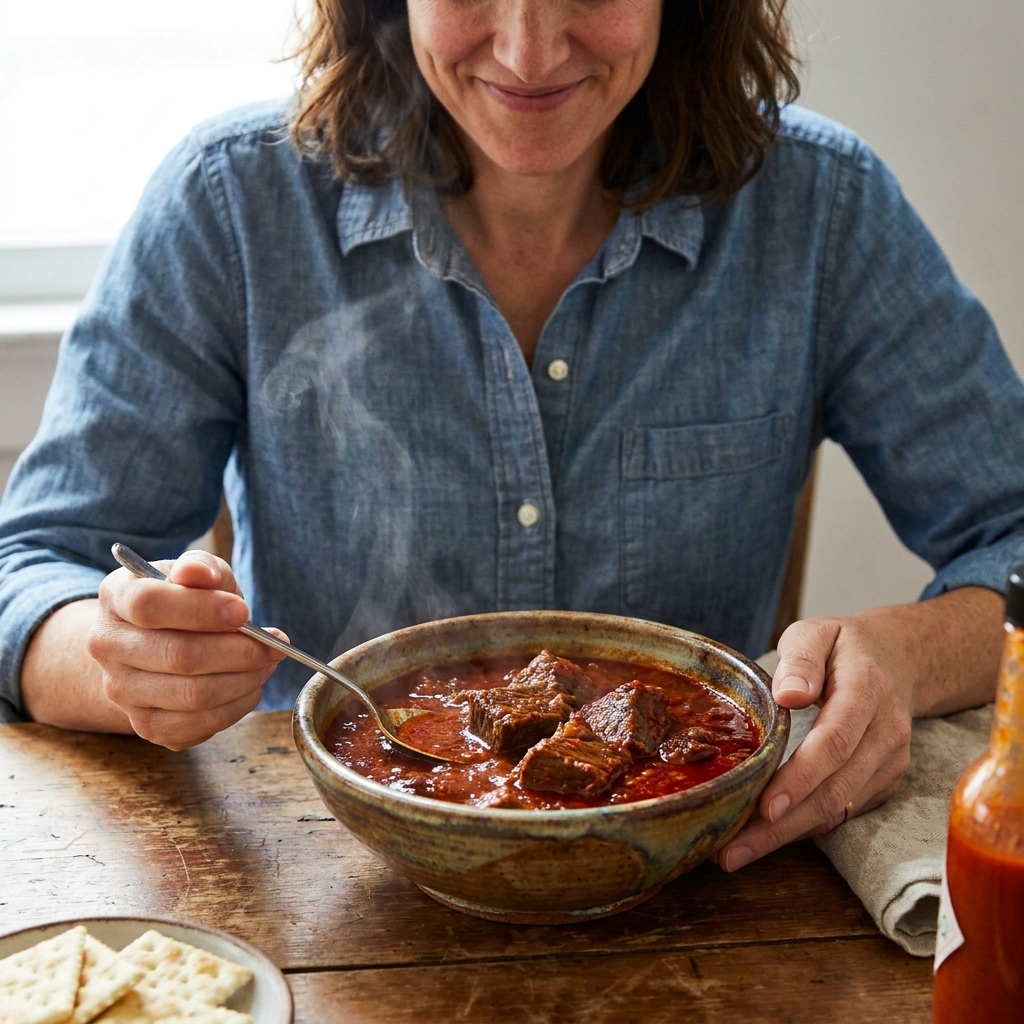
What makes it Texas red
Texas red is defined as much by what it does not include as what it does. And like any beloved regional dish, there is variation from cook to cook, from South Texas to competition pots to weeknight home versions.
- No beans. The body comes from chile paste and collagen-rich beef, plus a little masa harina if you want that classic, spoon-coating finish.
- Chiles lead the flavor. Many traditional-leaning versions start with whole dried chiles turned into a paste. Plenty of respected cooks also use a commercial chile grind or chili powder, especially in competition circles.
- Big pieces of beef. Think spoon-tender chunks, not ground meat.
- A long simmer. This is how the chile paste mellows and the beef turns buttery.
The goal is balance: deep chile flavor, a rich beefy base, and a heat level that lingers but does not drown out the meat.
The core ingredients that win bowls
Dried chiles: build a blend
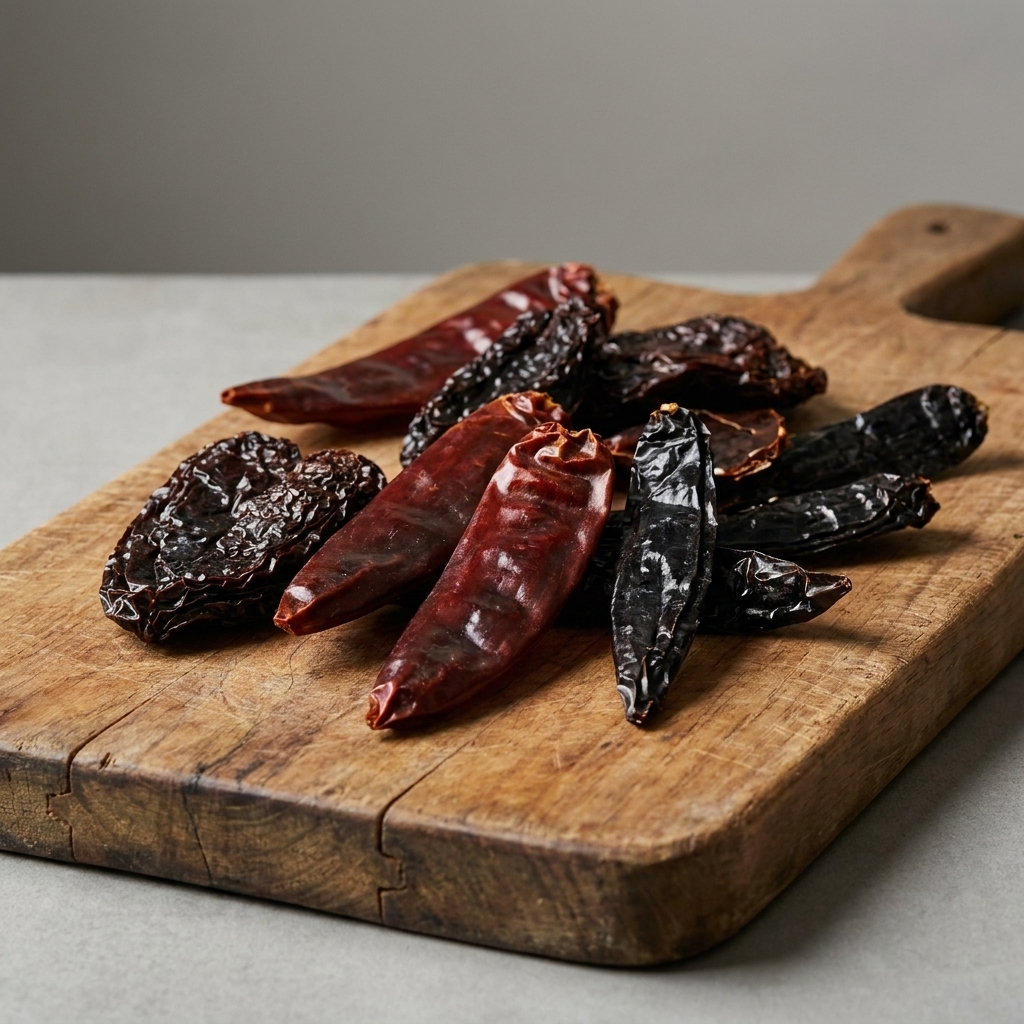
If you want an “award-winning” style chili at home, think like a chili cook building a blend. You want sweetness, fruit, earth, and heat. Here is my go-to mix that tastes like Texas without being one-dimensional:
- Ancho for raisin-like sweetness and warm, rounded chile flavor.
- Guajillo for brick-red color and a clean, slightly tangy backbone.
- Pasilla for earthy depth and that dark, almost cocoa-like vibe.
- Chipotle morita (optional) for gentle smoke. Use sparingly.
- Árbol (optional) for heat without changing the flavor too much. Also use sparingly.
Shopping tip: choose pliable chiles with a mild sheen, not dusty, brittle ones that smell flat. If they smell like dried fruit and warm earth, you are in good hands.
Choosing beef
I love a “two-cut” approach because it gives you both tenderness and richness.
- Chuck roast is the workhorse. It becomes tender and stays beefy.
- Beef short ribs or beef shank (a smaller portion) add collagen that turns your chili silky.
- Brisket is wonderful if you have it, especially if it is well-marbled.
Cut size: aim for 3/4-inch to 1-inch cubes. Too small and they shred; too big and the chili takes forever to come together.
Chile paste
This is the heart of the pot. If you do nothing else “the authentic way,” do this.
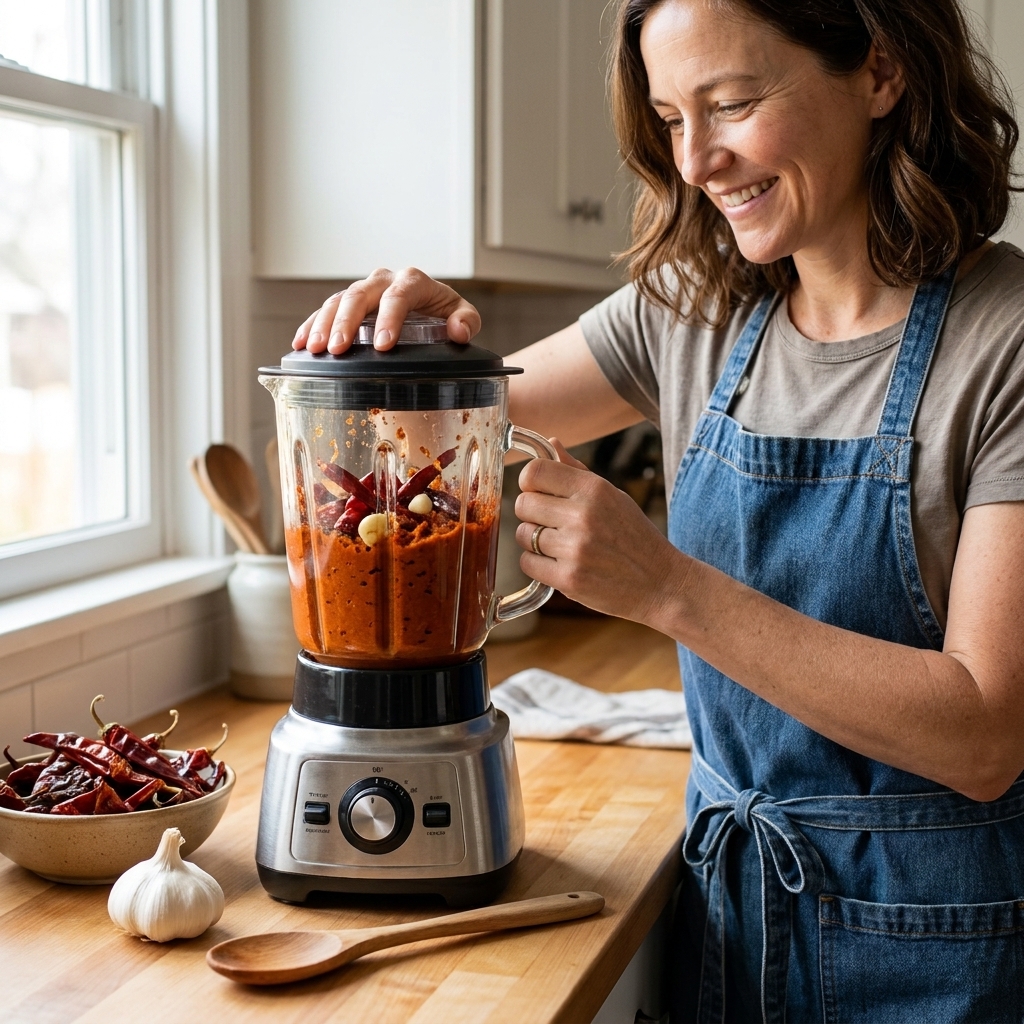
How to make a smooth chile paste
- Stem and seed your dried chiles. You do not have to chase every last seed, but remove the big clusters.
- Toast briefly in a dry skillet over medium heat, pressing them flat for 10 to 20 seconds per side until fragrant. If they smell acrid or bitter, they went too far.
- Soak in very hot water 20 to 30 minutes until pliable.
- Blend with garlic and a splash of soaking liquid until completely smooth.
- Strain if you want a competition-smooth finish, especially if your chiles are a little leathery.
My little home-cook secret: add a spoonful of beef drippings or a splash of strong coffee to the blender. Not enough to scream “coffee,” just enough to deepen the bass notes.
Flavor building
1) Brown the beef
Do not rush this. Dry the beef well, salt it, then brown in batches in a heavy Dutch oven. You are not just cooking the meat, you are building fond.
- Use a neutral oil with a higher smoke point.
- Do not overcrowd the pot or the beef will steam.
- Let each side truly brown before you flip.
2) Sweat aromatics and bloom spices
Onion goes in next to pick up browned bits, then garlic. Classic choices for Texas red include:
- Ground cumin for warmth.
- Mexican oregano for that unmistakable chili aroma.
- Smoked paprika only if you are not using chipotle.
Give the spices 30 seconds in the fat so they wake up, then move on.
3) Fry the chile paste
This is another key move. Add your chile paste to the pot and cook it, stirring often, until it darkens slightly and smells rounded, not sharp. I give it 5 to 8 minutes. This step takes the raw edge off and makes the final chili taste integrated.
4) Deglaze and simmer
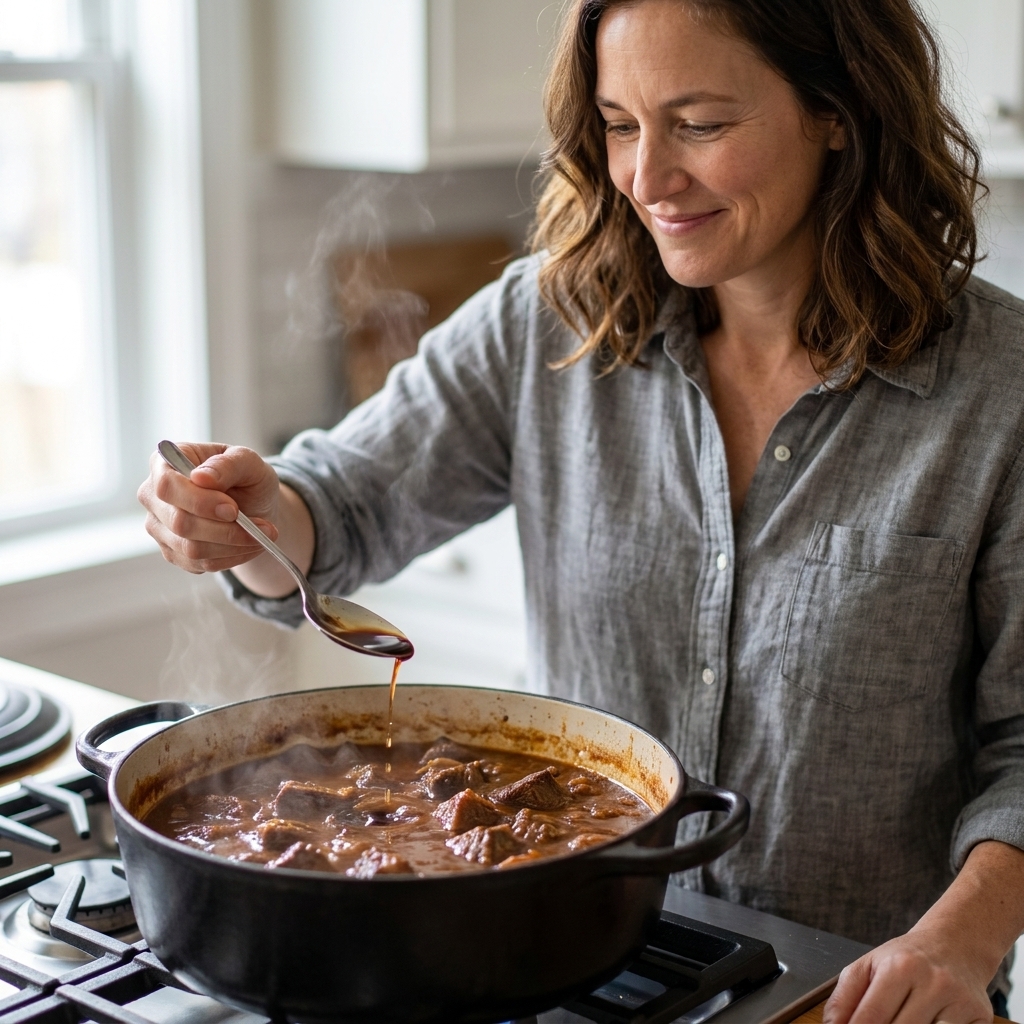
Deglaze with beef stock and scrape the bottom well. Then add the beef back in and simmer gently, partially covered, until the beef is spoon-tender.
- Stovetop: 2 1/2 to 3 1/2 hours at a very low simmer.
- Oven: 300°F for about 3 hours is even steadier and harder to scorch.
Try not to let it boil hard. A steady simmer keeps the sauce smoother and can help prevent the chile flavor from turning sharp.
My Texas red chili recipe (no beans)
This is my weekender pot. It makes enough for dinner, leftovers, and at least one “I am so glad I did this” lunch.
Serves: 6 to 8
Prep time: 35 to 45 minutes
Cook time: 3 to 3 1/2 hours
Total time: about 4 hours (longer if you chill overnight for the cleanest bowl)
Ingredients
- Dried chiles: 4 ancho, 4 guajillo, 2 pasilla
- Optional heat: 1 to 2 chiles de árbol, or 1 chipotle morita
- 2 1/2 to 3 pounds beef chuck, cut into 1-inch cubes
- Optional for silkiness: 1 pound bone-in beef short ribs (or about 12 ounces boneless short rib meat), or beef shank
- 2 teaspoons kosher salt, plus more to taste
- 2 to 3 tablespoons neutral oil
- 1 large yellow onion, diced
- 5 cloves garlic, minced
- 2 tablespoons ground cumin
- 2 teaspoons Mexican oregano
- 1 teaspoon black pepper
- 4 cups unsalted beef stock, plus more as needed
- 1 tablespoon tomato paste (optional, for a little sweetness and color)
- 1 to 2 teaspoons apple cider vinegar or lime juice, to finish
- Optional thickener: 1 to 2 tablespoons masa harina
Instructions
- Toast and soak the chiles: Stem and seed. Toast in a dry skillet until fragrant. Soak in hot water 20 to 30 minutes.
- Blend the paste: Blend soaked chiles with 1 cup soaking liquid (start with less and add as needed) and half the garlic until very smooth. Strain if desired.
- Brown the beef: Pat beef dry and salt. Brown in batches in a Dutch oven with oil. Transfer browned beef to a bowl. If using bone-in short ribs, brown them too.
- Cook onion and spices: Add onion to the pot and cook until softened, scraping up browned bits. Add remaining garlic for 30 seconds. Stir in cumin, oregano, and black pepper for 30 seconds.
- Fry the paste: Add chile paste (and tomato paste if using). Cook 5 to 8 minutes, stirring often.
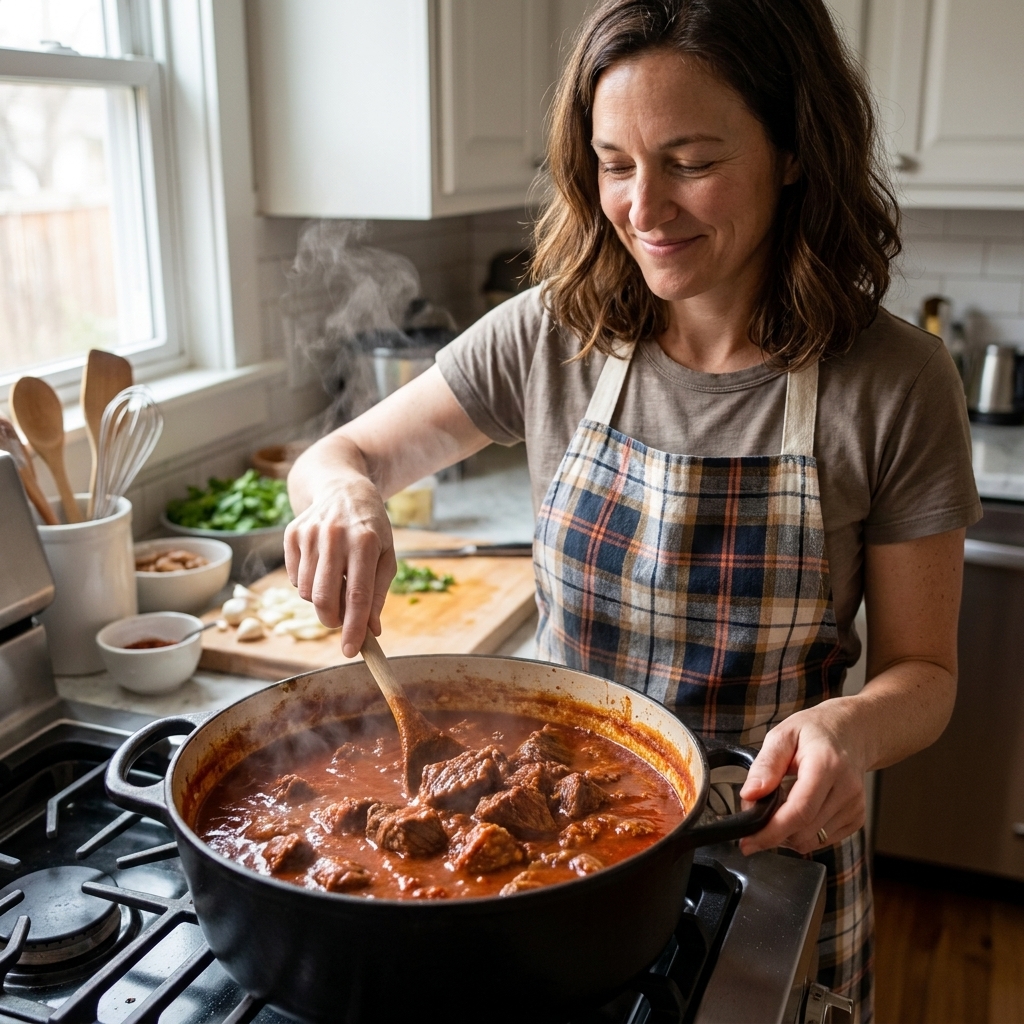
- Simmer: Add stock and scrape the bottom very well. Return beef and any juices to the pot (and short ribs, if using). Bring to a gentle simmer, cover partially, and cook 2 1/2 to 3 1/2 hours, stirring occasionally. If you used bone-in short ribs, pull out the bones once the meat is tender and has released easily.
- Skim fat as needed: If the surface looks greasy, skim a little rendered fat during the simmer. For the cleanest bowl, chill overnight and lift off the fat cap, then rewarm gently.
- Finish texture: If you want a thicker, classic finish, whisk masa harina with a few spoonfuls of hot broth, then stir in and simmer 10 minutes. Masa harina is a classic option, but reduction alone also works if you prefer to keep it simple.
- Balance: Stir in vinegar or lime juice a little at a time. Taste and adjust salt.
- Rest: Let the chili sit off heat 20 minutes before serving. It tightens into that velvety, glossy bowl.
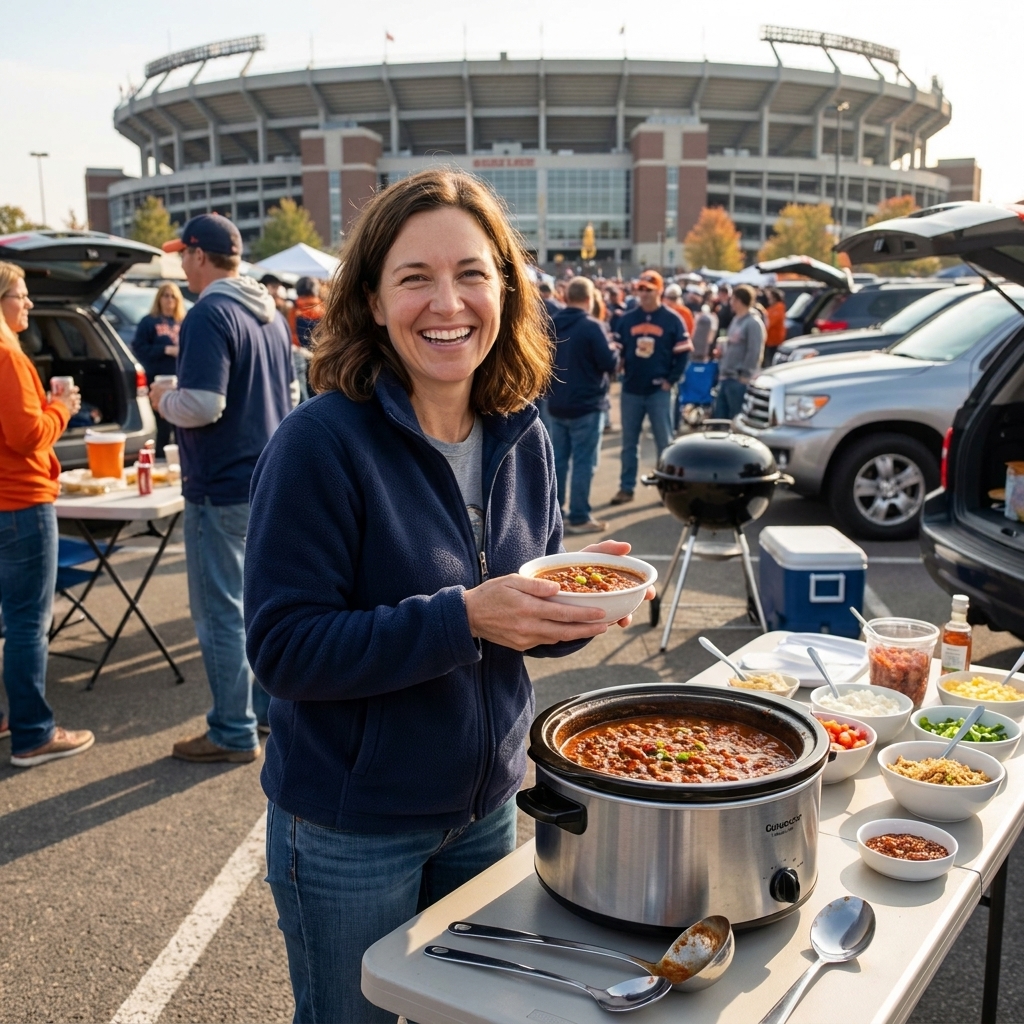
Serve with: diced white onion, sliced jalapeño, shredded cheddar, warm tortillas, or cornbread. Purists might raise an eyebrow at cheddar, but your kitchen is not a rulebook.
Heat, color, and texture
Heat control
- Milder: skip árbol and chipotle, lean on ancho and guajillo.
- Hotter: add 1 more árbol, or a pinch of cayenne near the end.
- Too hot already: simmer longer, add a little more stock, and finish with a touch more acid. Avoid adding sugar as a main fix. It can make chili taste flat.
Color that stays brick-red
Guajillos do the heavy lifting here. Also, avoid scorching the paste. If it burns, the color can go muddy and the flavor turns bitter.
Texture that feels “competition smooth”
- Strain your chile paste.
- Simmer uncovered the last 20 to 30 minutes to reduce.
- Skim excess fat or chill and remove the fat cap before reheating.
- Use masa harina for body instead of flour.
Common mistakes
Bitter chili
- Cause: burnt toasted chiles, scorched paste, or too much seed and membrane.
- Fix: add stock and simmer gently; finish with a little acid; if needed, add a tablespoon of tomato paste to round edges.
Thin chili
- Cause: too much liquid early, not enough reduction, or lean beef.
- Fix: reduce uncovered; whisk in masa harina; next time, add a collagen-rich cut like short ribs or shank.
Tough beef
- Cause: not enough time at a gentle simmer, or simmering so hard the exterior dries out before collagen has a chance to relax.
- Fix: bring it back to a gentle simmer and keep going. Tough today usually means tender in 30 to 60 minutes.
Flat flavor
- Cause: under-salted, no acid, or paste not cooked long enough.
- Fix: add salt in small steps; finish with vinegar or lime; simmer 15 minutes more to meld.
Cook once, eat twice
Texas red is one of those gifts to your future self. The chile paste blooms overnight, and the beef becomes even more tender.
- Day 2 chili dogs: warm chili gently, spoon over hot dogs, top with diced onion.
- Chili-topped baked potatoes: add cheddar, scallions, and a dollop of sour cream.
- Breakfast hash: crisp diced potatoes, add chili, then crack eggs on top and cover until set.
Storage
- Fridge: 4 days in a sealed container.
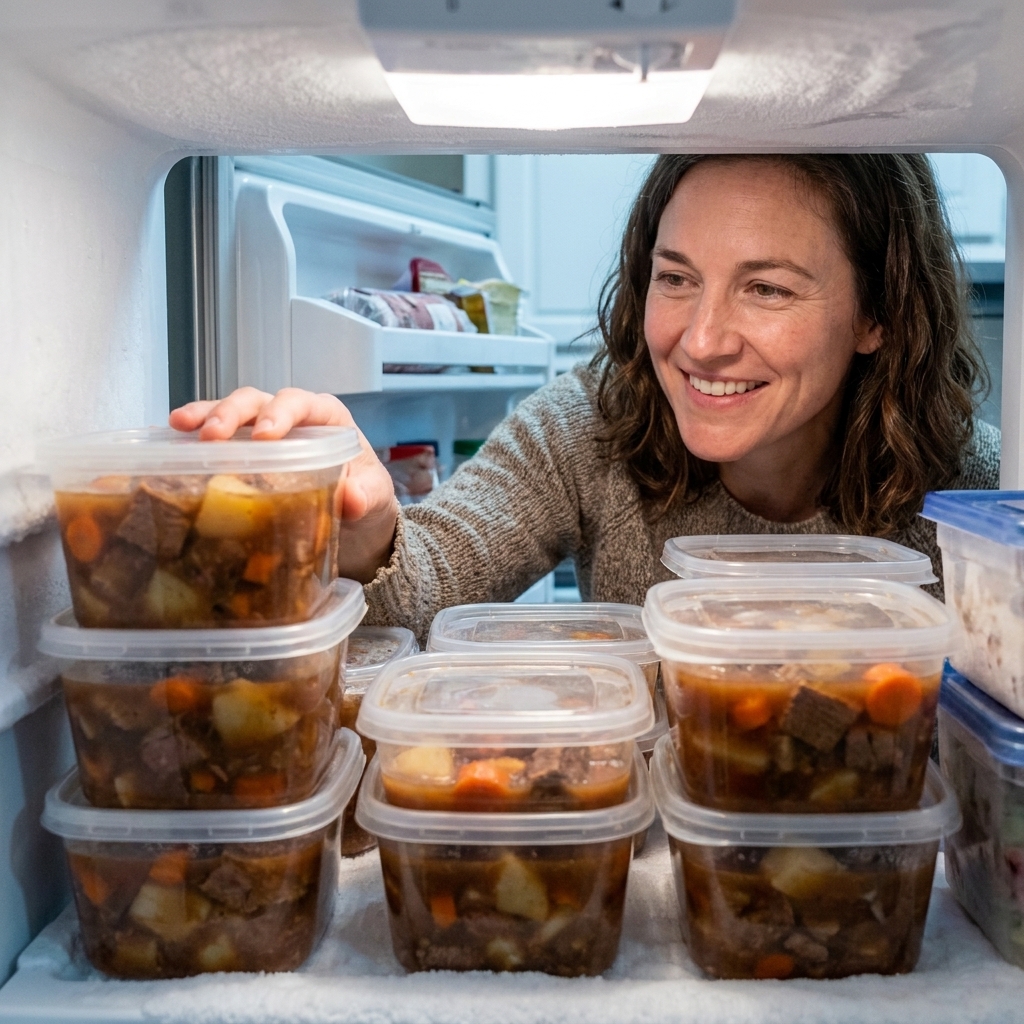
- Freezer: up to 3 months. Thaw overnight, reheat gently with a splash of stock.
FAQ
Can I use chili powder instead of whole dried chiles?
You can, and some Texas cooks swear by a good commercial chile grind. For a closer-to-classic “paste” effect, bloom the chili powder in fat with the spices, then simmer longer. That said, whole dried chiles give you a deeper, fresher flavor and more control over heat.
Is tomato allowed in Texas chili?
In many Texas circles it is minimal or none. I treat tomato paste as optional and keep it small. It can round out bitterness and add a little sweetness, but it should never taste like tomato sauce.
What is the best thickener?
Masa harina is a classic option. It thickens while adding a subtle corn aroma that belongs in chili. Mix it with hot broth first so it does not clump. If you are a purist, just reduce uncovered and let time do the work.
Can I make it in a slow cooker?
Yes, but do the flavor steps first. Brown the beef, cook the onion and spices, and fry the chile paste on the stove. Then transfer everything to the slow cooker and cook on low 7 to 8 hours. Finish with masa harina (if using) and acid at the end.
What should I serve with Texas red?
Warm flour tortillas, cornbread, or a thick slice of crusty bread. If you are feeling extra hospitable, set out diced onions, lime wedges, sliced jalapeños, and shredded cheese so everyone can build their bowl.