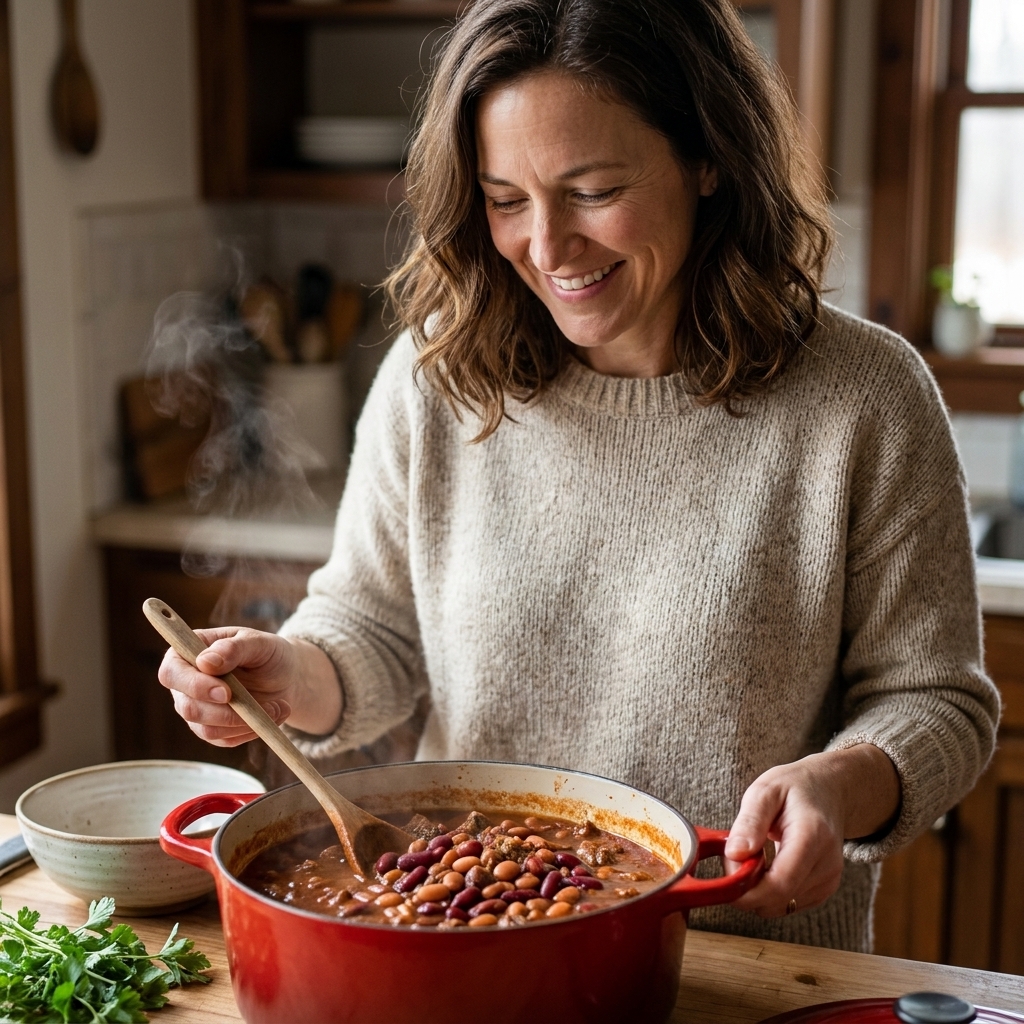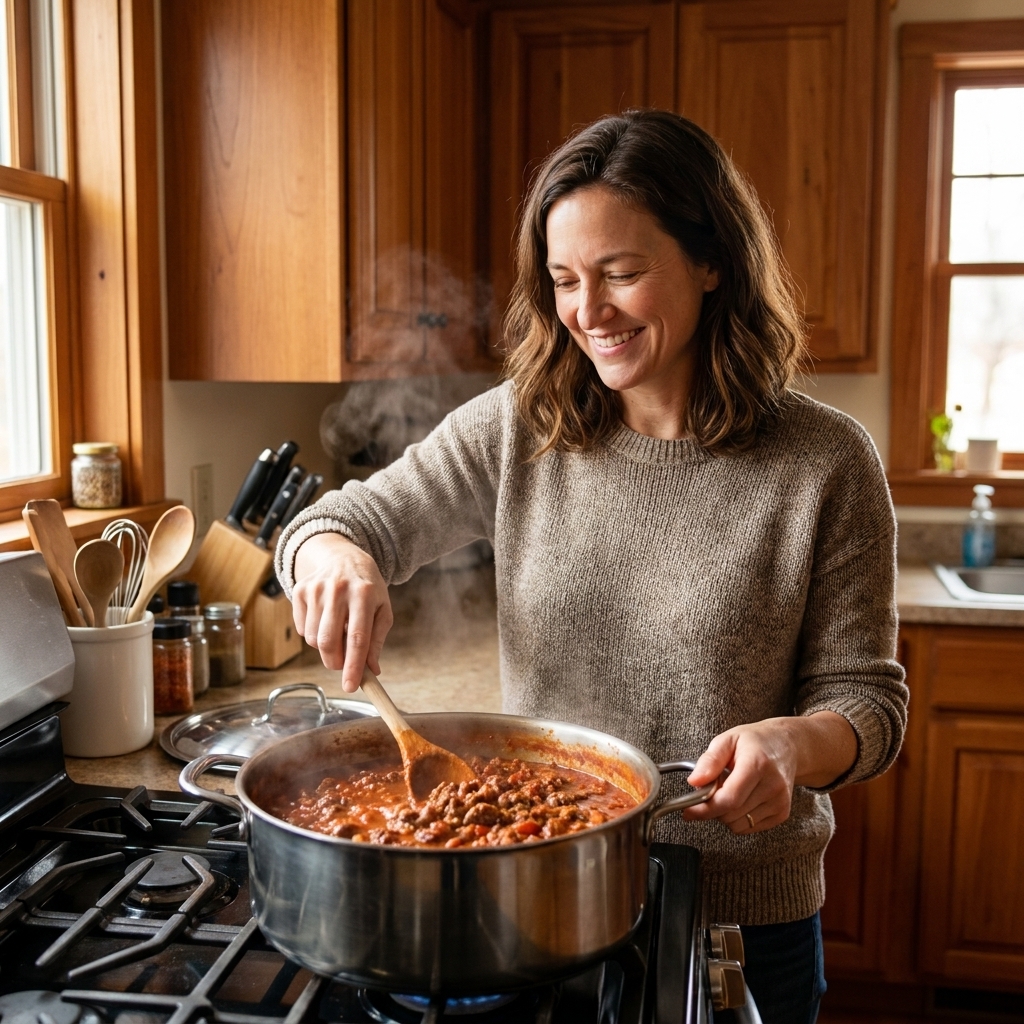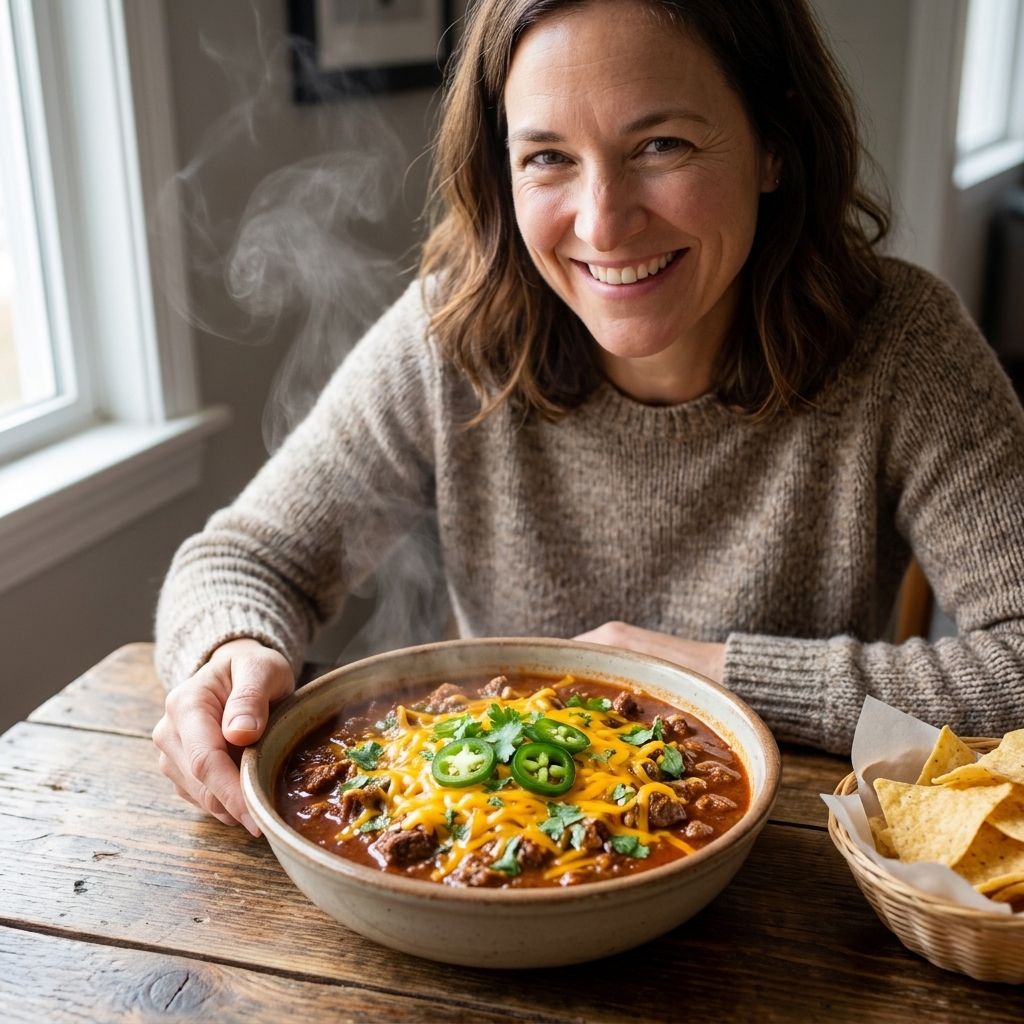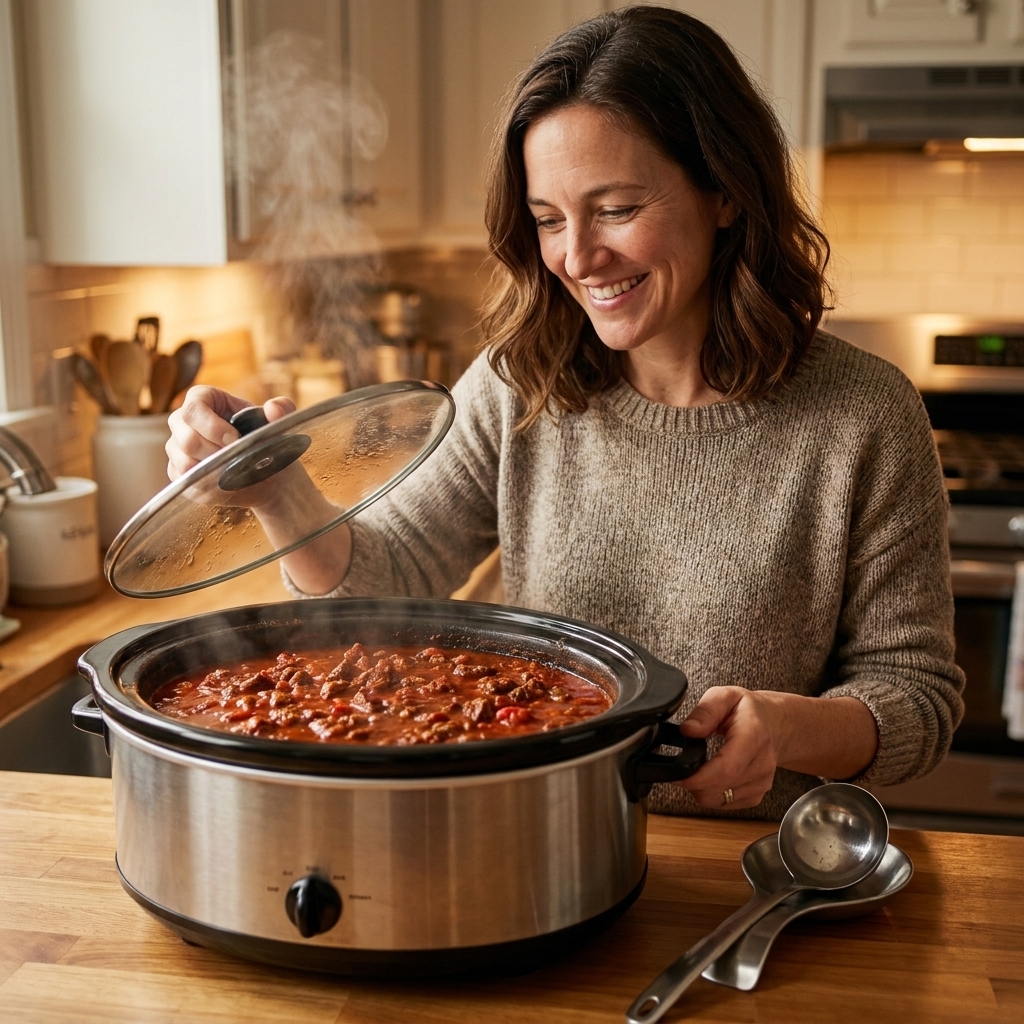
If you have ever said, “This doesn’t taste like chili,” and then immediately regretted opening that can of worms, you are not alone. In the U.S., chili is regional in a way few comfort foods are. What counts as chili in one city might get you playful side-eye in another.
Today we are digging into three heavy hitters: Cincinnati chili (spiced meat sauce, built for noodles), Texas chili (bold, beefy, and typically bean-free in the traditional Texas Red or competition-style lane), and New Mexico-style chile (a chile-forward bowl that leans on the earthy magic of New Mexico red and New Mexico green chiles, including the famous Hatch-area crop).
One quick note on spelling: I will use chile when I am talking about the pepper or pepper-based sauces (very New Mexico), and chili for the broader dish. I will walk you through what makes each one distinct, the unwritten rules people care about, and how to cook them at home without needing a passport.
The big idea
Before we compare bowls, it helps to name what each style is trying to be.
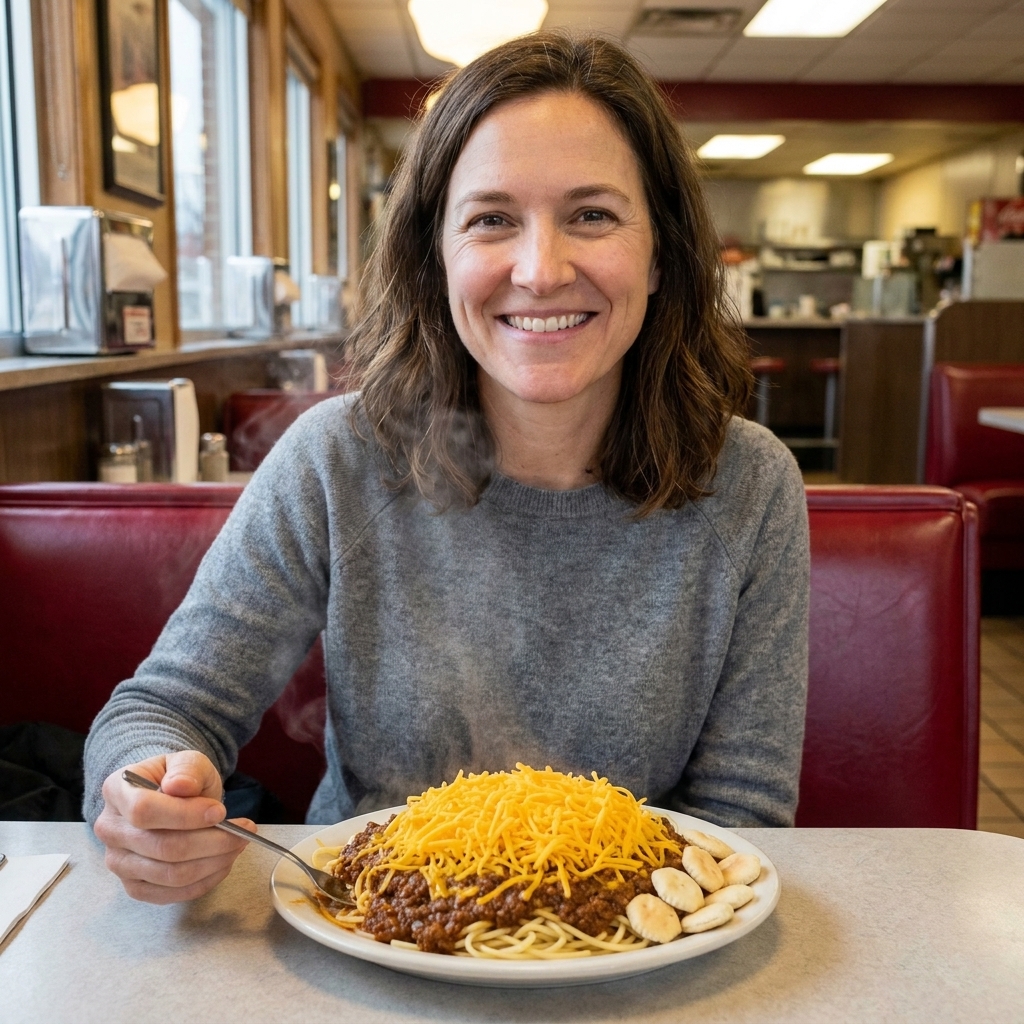
- Cincinnati: a warmly spiced meat sauce, often served as a “way” over spaghetti or on hot dogs, with cheese and onions doing a lot of the heavy lifting.
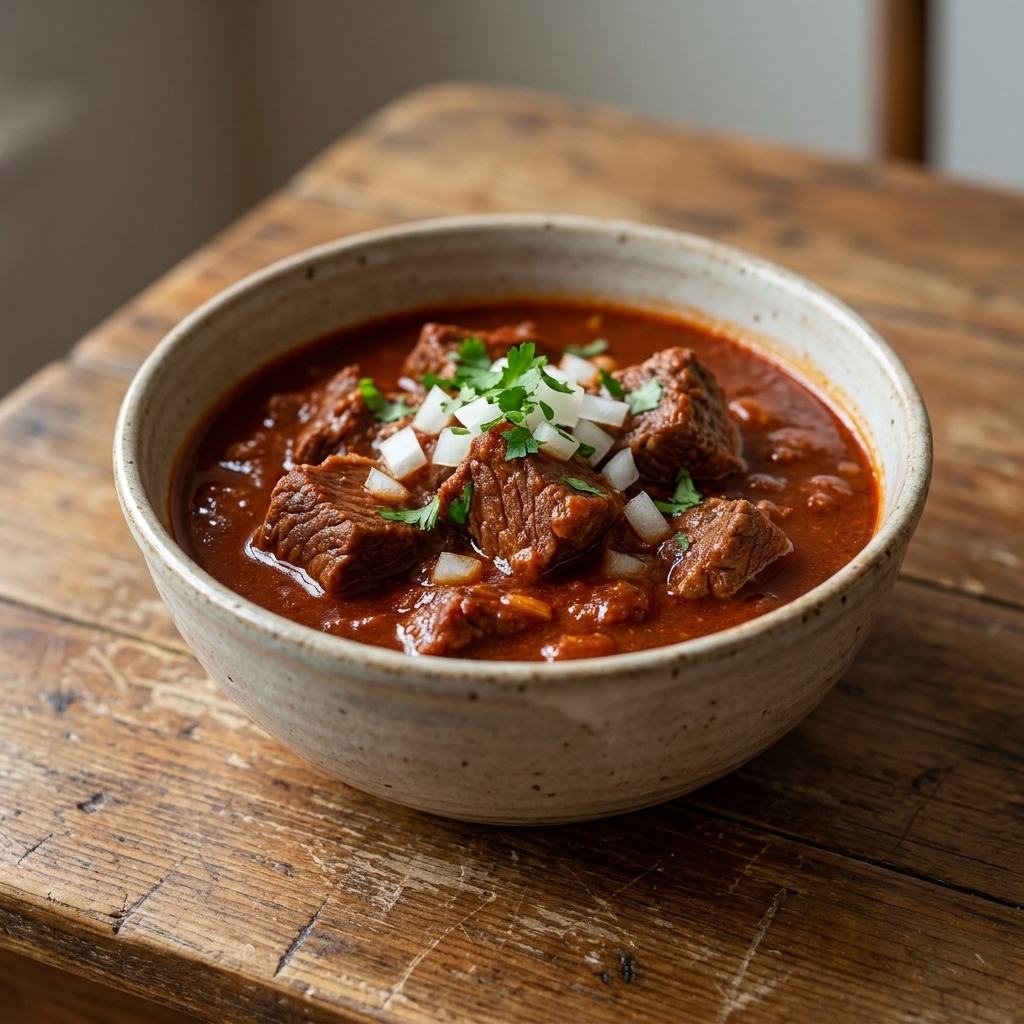
- Texas (Texas Red): a beef stew of sorts, driven by chiles and spices, thickened by reduction and sometimes a chile paste. The focus is the meat.
- New Mexico: chile-centered cooking that uses New Mexico red or green chiles as the soul of the pot. It can be more stew-like, more saucy, or somewhere in between, but the chile flavor is the headline.
All three are satisfying. All three are one-pot friendly. They just speak different dialects of the same language.
Cincinnati chili
Cincinnati chili is the style that surprises people most, especially if you grew up with a chunky, tomato-and-bean chili. This one is typically finely textured, warmly spiced, and served more like a sauce than a stew. It is also a food with a real backstory, shaped by immigrant restaurateurs who brought Mediterranean spice sensibilities into an American diner context.
Flavor profile
Think savory, slightly sweet, and aromatic, with spices that read “warm” rather than fiery hot. Cinnamon is the most famous note, and you will often find allspice or clove in the background. The acidity is usually tomato-driven, and the richness comes from beef (sometimes beef and pork) simmered until it breaks down.
The rules
- It is usually served over spaghetti or on a hot dog (a Coney), not just in a bowl.
- Texture matters: it is not supposed to be chunky. The meat is fine and sauce-like.
- “Ways” are the tradition: the classic shorthand is 3-way (spaghetti + chili + cheese), 4-way (add onions or beans ), and 5-way (add both). The key nuance: beans are usually a layer, not cooked into the sauce.
What’s in the pot
- Ground beef (sometimes a mix)
- Tomato sauce or crushed tomatoes
- Chili powder and cumin
- Cinnamon (and sometimes allspice, clove, or cocoa in small amounts)
- Garlic and onion
- Vinegar or a touch of sweetness, depending on the cook
How I cook it at home
If you want Cincinnati vibes, build a long simmer and do not chase big chunks. I brown lightly (or even skip hard browning and go straight to simmer for finer texture), then let it bubble gently until the meat is soft and the sauce is cohesive. A typical home timetable is 45 to 90 minutes on low, depending on how silky you want it. Taste at the end for salt and brightness.
Cincinnati chili should feel balanced and spoonable, not aggressively hot. If you want more heat , it is often better to add it at the table than to turn the whole pot into a fire drill.
How to serve it
- Over spaghetti: ladle on chili, then a huge pile of finely shredded cheddar.
- On hot dogs: soft bun, hot dog, chili, mustard if you like, then onion and cheddar.
- Leftover move: spoon it over baked potatoes, or tuck it into quesadillas with cheddar.

Texas chili
Texas chili is the one that makes people say, “Now this is chili.” It is hearty, meaty, and built around dried chiles and spices. The classic style often called Texas Red is known for one particular line in the sand: no beans . Not because beans are bad, but because traditional Texas Red and many competition pots keep the spotlight on the beef and the chile. Plenty of Texans happily add beans at home. Both can be true.
Texas chili also has deep roots, from community cooking traditions to the famous Chili Queens of San Antonio, and later the cook-off culture that helped codify the bean-free, meat-forward ideal.
Flavor profile
Deep, smoky, and beef-forward. Heat can range from gentle to sweat-inducing, but the best bowls are about chile flavor, not just spice. Expect cumin, garlic, oregano in some versions, and a dark, toasted quality from dried chiles.
The rules
- No beans is the big one for traditional Texas Red.
- Chunks of beef are classic, not ground meat.
- Dried chiles matter: many cooks use a blend (ancho, guajillo, pasilla, chile de árbol for heat).
What’s in the pot
- Beef chuck, cut into chunks
- Dried chiles or chile paste (often made by toasting and soaking chiles, then blending)
- Onion and garlic
- Cumin and other spices
- Stock, beer , or water for the simmer
- Sometimes masa harina or crushed tortillas for body
How I cook it at home
This is where my upstate New York winter instincts kick in: take your time. Brown the beef well, then build your base. If you are using dried chiles, toast them briefly until fragrant, soak, then blend into a smooth paste. That paste is your backbone. Let the pot simmer low and slow until the beef is spoon-tender and the sauce clings to it.
For chuck, plan on 2.5 to 4 hours at a gentle simmer. If the pot is reducing too fast, lower the heat and add a splash of stock. If you want a thicker finish, a spoonful of masa harina whisked in during the last 10 minutes can tighten things up without making it feel starchy.
My practical shortcut when it is a weeknight: use a good-quality chile powder blend, plus smoked paprika, and give it a longer simmer. You will still get a very satisfying Texas-style bowl.
How to serve it
- In a bowl: with diced onion, maybe shredded cheddar, and warm tortillas or cornbread.
- Over rice: not traditional everywhere, but a totally legitimate way to stretch leftovers.
- Leftover move: fold into breakfast tacos with scrambled eggs and a little cheese.
New Mexico chile
New Mexico brings a different kind of chili conversation because it is rooted in New Mexico chiles as an ingredient and a cultural cornerstone. When someone says “red or green?” in New Mexico, they are talking about red chile sauce or green chile, and that choice can shape the entire meal. You will often see New Mexico green chile tied to the Hatch Valley and surrounding growing areas, but “Hatch” is a place, not a single pepper variety.
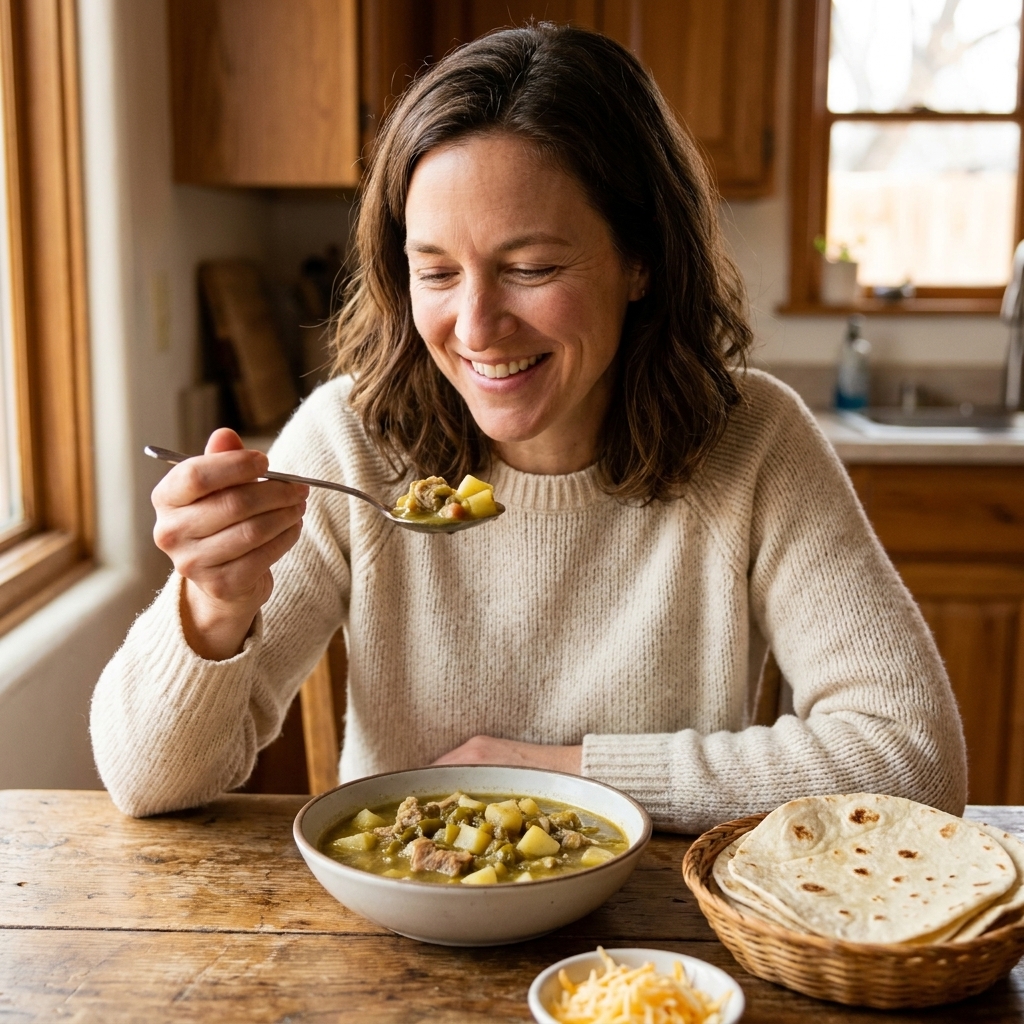
If you want a clear, iconic anchor dish to picture, think green chile stew: roasted green chile, pork, and often potatoes, simmered until the broth tastes like pure roast and spice.
Flavor profile
Earthy, bright, and roasty. Heat depends on the chile and the batch, but the signature is the flavor: sun-dried red pods with a raisiny depth, and green chiles with a fresher, more vegetal punch. New Mexico-style chile dishes often taste less like “spice cabinet chili powder” and more like pure chile.
The rules
- Chiles are the star: the dish should taste like New Mexico chiles, not just generic heat.
- Red vs. green is real: both are traditional, and “Christmas” is a beloved option in many New Mexico kitchens (both red and green together).
- It might not look like your usual chili: depending on the cook, it can be saucier, more stew-like, or built around pork instead of beef.
What’s in the pot
- Roasted New Mexico green chile (fresh roasted, frozen, or well-drained jarred in a pinch)
- Or dried New Mexico red chile pods made into a sauce
- Pork is very common, though beef happens too
- Onion and garlic
- Broth or stock for simmering
- Sometimes a thickener like a light roux or a bit of masa for body in some households and restaurants
- Often potatoes in green chile stew
How I cook it at home
For green chile stew, I look for roasted green chile (frozen is wonderful if you can find it). Let it simmer with pork and onions until the pork is tender and the broth turns silky with chile. If you are adding potatoes, give them enough time to go soft and a little creamy at the edges. A typical simmer is 60 to 120 minutes, depending on your cut of pork and your potato size.
For red chile sauce, I toast dried pods, soak, blend, then strain for a smooth sauce before simmering. The goal is a chile flavor that tastes roasted and alive, not muddy.
If you are far from New Mexico, do not worry. You can still make a delicious chile-forward pot by choosing one good chile product and treating it with respect. Long simmer, gentle heat, and enough salt to make the chile taste like itself.
How to serve it
- With tortillas: flour or corn, warm and flexible.
- With beans on the side: pintos are common alongside chile dishes, even when they are not in the pot.
- Leftover move: spoon over breakfast potatoes or into burritos with eggs.
Quick comparison
| Style | Main vibe | Meat | Beans | Texture | Best served with |
|---|---|---|---|---|---|
| Cincinnati | Spiced meat sauce | Usually ground beef | Often as a layer or topping | Smooth, spoonable | Spaghetti, hot dogs, cheddar |
| Texas Red | Beef and chile depth | Beef chunks | Traditionally no | Thick, stew-like | Tortillas, onions, simple garnishes |
| New Mexico | Chile is the star | Often pork, sometimes beef | Often on the side | Saucy to stewy | Tortillas, red or green chile traditions |
Swaps and shortcuts
I am a big believer in cooking what you can actually find, especially in the dead of winter when the pantry is doing the heavy lifting.
If you cannot find dried chiles
- Use a high-quality chile powder and bloom it in fat (a little oil or beef drippings) before adding liquids.
- Add depth with a small spoonful of tomato paste browned in the pot, especially for Texas-style.
If you want to stretch the pot
- Texas: add an extra bell pepper and onion, or serve over rice.
- Cincinnati: double the spaghetti and keep toppings generous.
- New Mexico: add potatoes for a stew feel, or serve with beans on the side.
If you are managing heat levels
- Choose milder chiles (ancho, New Mexico red) and add heat at the table with hot sauce or chile flakes .
- Remember that long simmers can mellow sharp heat but deepen chile flavor.
If you are cooking for gluten-sensitive friends, note that masa harina, flour tortillas, and roux (when used) can affect the final dish. If you are cooking for dairy-free eaters, keep the cheese as an optional topping rather than a default.
What to make tonight
- Make Cincinnati chili if you want something different, crowd-pleasing, and perfect for a toppings bar. It is also fantastic for “cook once, eat twice” meals because it reheats like a dream.
- Make Texas chili if you are craving a serious, meaty pot that feels like a weekend project in the best way. This one is built for slow simmering and cold weather.
- Make New Mexico chile if you love roasted chile flavor and want a bowl that feels bright and earthy at the same time. Red, green, or Christmas, it is all comfort.
FAQ
Is Cincinnati chili really chili?
In Cincinnati, absolutely. It is a regional style with its own traditions, and it has been part of the local food culture for generations. It just fits a different category than chunky bowl chili.
Do beans belong in chili?
Depends on where you are standing. Traditional Texas Red is typically bean-free, while other regional and home styles happily include beans. If you love beans, make chili with beans. If you want classic Texas Red vibes, keep them on the side.
Are beans cooked into Cincinnati chili?
Usually not. In Cincinnati, beans are commonly added as a layer in a 4-way or 5-way, rather than simmered into the meat sauce.
What makes New Mexico chile different from regular chili powder chili?
New Mexico chile cooking is centered on the flavor of the chiles themselves, often from roasted green chile or sauces made from dried red pods. It tends to taste more purely of chile and less like a blend of many pantry spices.
What is the easiest style for a beginner?
Cincinnati chili is very approachable because it uses common pantry spices and ground meat, and it comes together in under 90 minutes. Texas and New Mexico styles can be just as doable, but they shine most when you can source good chiles or take the time to build a paste or sauce.
Which one freezes best?
All three freeze well. If you want the simplest reheat, Cincinnati chili and Texas chili are especially freezer-friendly. For New Mexico green chile stew, thaw gently and taste for salt after reheating since potatoes and chiles can mute seasoning over time.