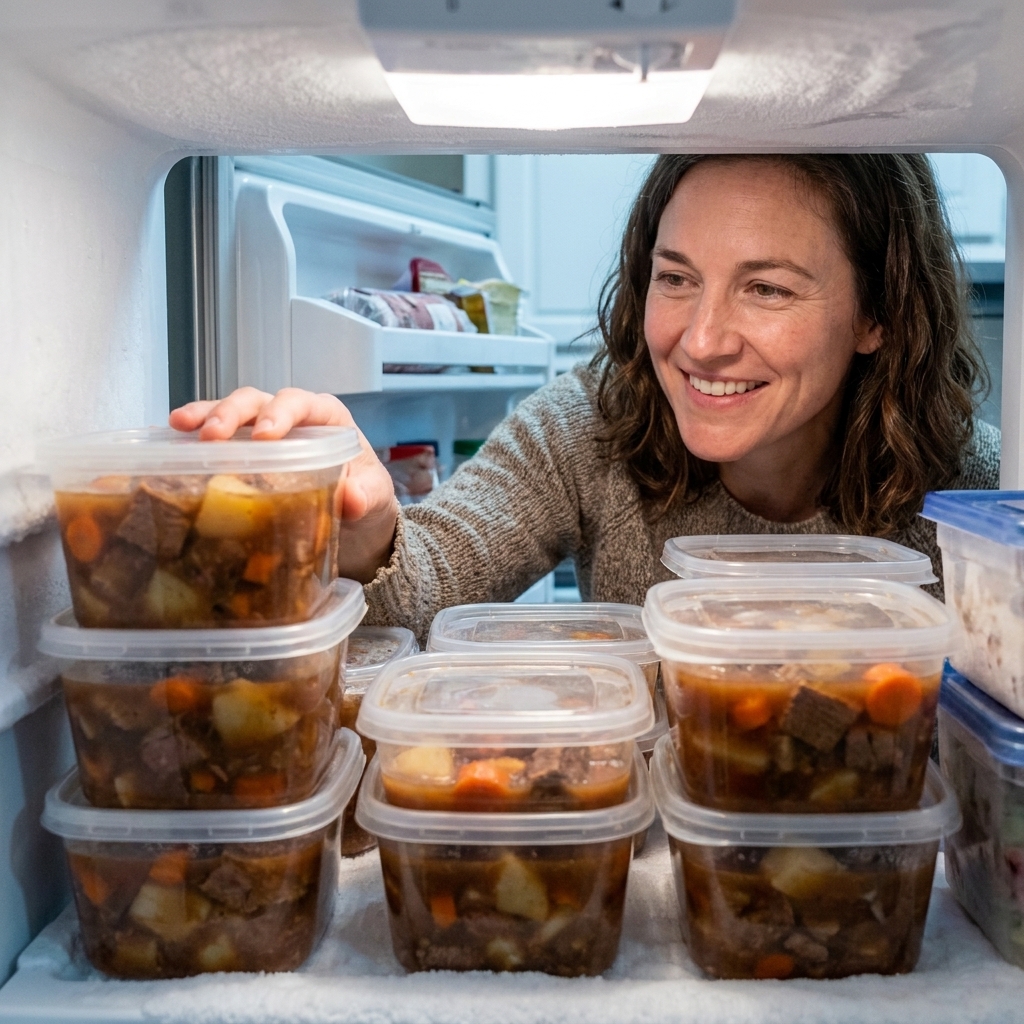
Why stews and chilis change after freezing
If you have ever thawed a pot of beef stew and found a waxy layer of fat on top, or reheated chili only to end up with dry, stringy meat, you did nothing “wrong.” You just ran into the two big realities of freezer life: fat and protein behave differently after a deep chill.
- Fat can separate as it cools and reheats, especially in rich stews with short ribs, chuck roast, pork shoulder, or sausage.
- Meat fibers tighten if they are reheated too aggressively, turning tender chunks into something closer to pot roast leftovers from the back of the fridge.
- Starches get fussy like flour-thickened gravy or cornstarch slurries, which can thin out or go grainy after thawing.
The good news: you can absolutely freeze heavy meat stews and chilis and bring them back beautifully. The trick is managing cooling, packaging, and gentle reheating.
Cool fast, freeze smart
For big pots, the most important step happens before anything goes in the freezer: cooling quickly and safely. A deep Dutch oven holds heat for ages, which is cozy on the stove, but not great when you are trying to get food out of the temperature danger zone (roughly 40 to 140°F), where bacteria can multiply fastest.
The goal
Get stew or chili from hot to cold as efficiently as you can, then refrigerate or freeze promptly. If you want a specific benchmark to aim for, the commonly cited Food Code cooling targets are: cool from 135°F to 70°F within 2 hours, then from 70°F to 41°F within 4 hours.
My home-kitchen method
- Divide into shallow containers. Wide, shallow pans cool far faster than one deep pot.
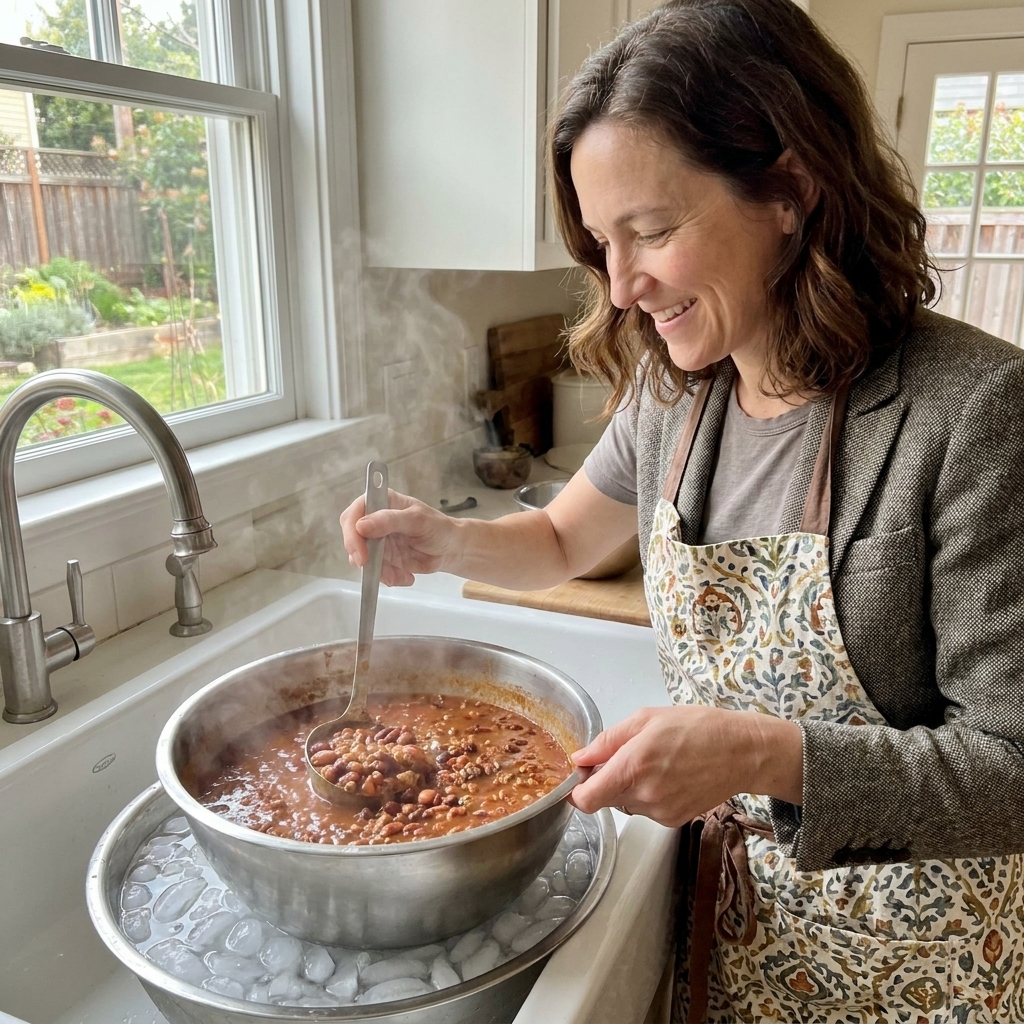
- Use an ice bath. Set the container in a larger pan or sink of ice water and stir occasionally. Stirring is not just busywork. It releases trapped heat and cools evenly.
- Vent briefly while it cools. Leave lids slightly ajar while it cools in the ice bath or on the counter for a short window, then cover and move to the fridge as soon as it is no longer steaming hot.
Tip from my upstate New York winters: If your kitchen is cool, you might be tempted to let the pot sit. Resist. The center stays hot much longer than you think, especially with thick chili.
Portioning
Freezing in meal-sized portions is the difference between “future dinner” and a frozen brick you dread dealing with.
- Single servings: great for lunches and quick weeknights.
- Family portions: enough for one dinner plus maybe a small leftover bowl.
- Sauce-only portions: if you know you will repurpose (more on that below).
A simple workflow
For large volumes, I have the best luck with this order: cool quickly, refrigerate until fully cold, then move to the freezer. Starting with cold food helps it freeze faster and more evenly, which protects texture.
Best containers and fill level
Stews and chilis expand slightly as they freeze. Give them room, or you will be chiseling tomato-stained chili off the underside of your freezer shelf. Ask me how I know.
My go-to options
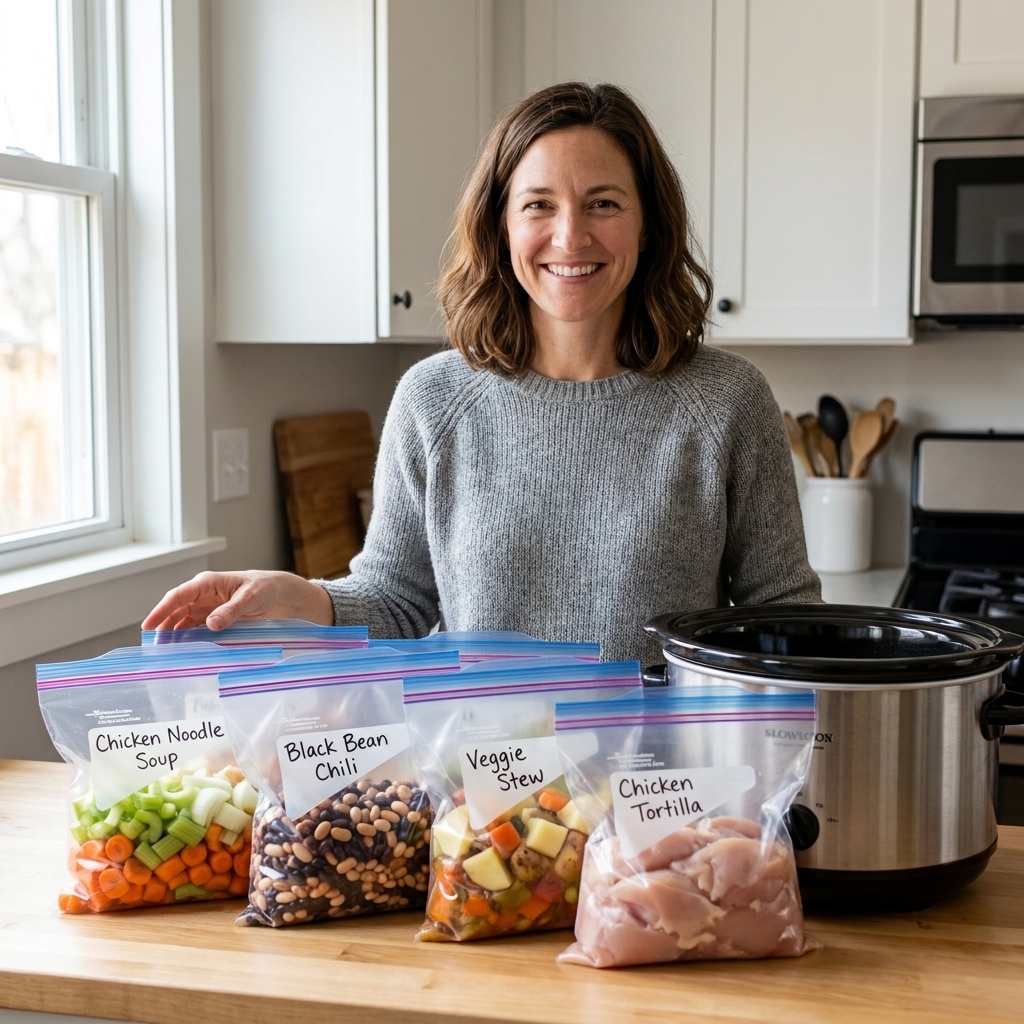
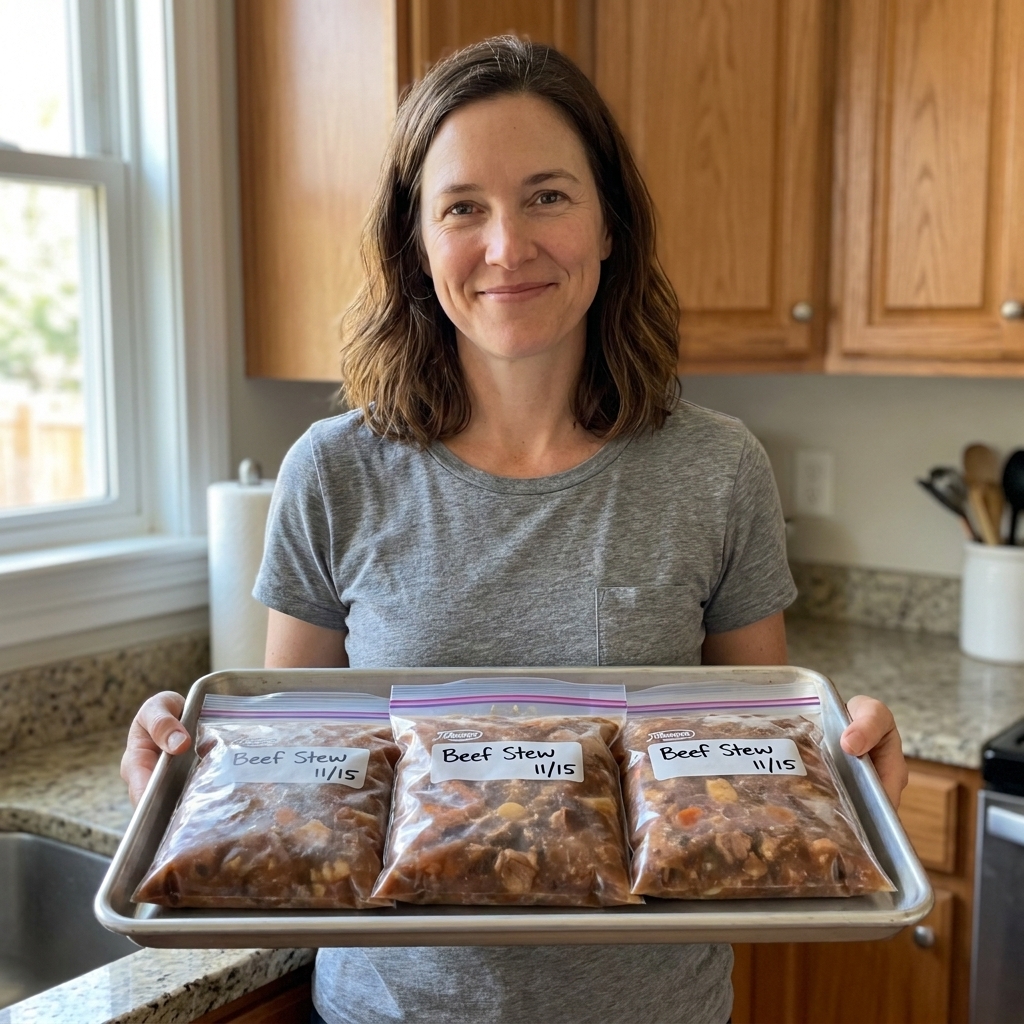
- Freezer-grade zip-top bags: Best for saving space. Freeze them flat on a sheet pan, then stack like books.
- Rigid plastic deli containers: The workhorses. Great for portion control, easy to label.
- Glass containers: Lovely, but only if they are freezer-safe and you leave plenty of headspace. Sudden temperature changes can crack glass, so cool fully before freezing and thaw in the fridge.
- Foil pans: Good for large batches, but protect them with a second layer (a bag or wrap) to reduce air exposure and freezer burn.
How full is right
- Containers: Leave about 1 inch of headspace.
- Bags: Press out air, seal, then lay flat. Leave a small gap at the top seam so expansion does not force a leak.
Label and rotate
Write the name, date, and heat level if it matters. If I made a smoky chipotle chili that will light up my husband’s sinuses, I want that warning in big letters. I also like adding a rough “best by” month and moving older portions to the front so they get used.
Skim fat or not
For rich, heavy meat stews, a little strategy with fat makes reheating so much smoother.
Two good approaches
- Freeze as-is (best for flavor): Fat keeps the stew tasting rich, and a little on top can reduce the sense of dryness after reheating. (For actual freezer burn, tight packaging and less air contact matter most.) You may just need to manage separation on reheat.
- Chill first, then lift off excess fat (best for texture): Refrigerate overnight, then scrape off the hardened fat cap and freeze the stew underneath. This is my favorite move for short rib stew, pork chile verde, and anything sausage-heavy.
Sweet spot: Remove excess fat, not all fat. A stew with zero fat can reheat tasting flat and feeling thin.
How long it keeps in the freezer
Frozen food stays safe at 0°F as long as it is kept solidly frozen, but quality does not stay perfect forever. The longer it sits, the more you risk flavor fade, texture changes, and freezer burn if packaging is not airtight.
- Best quality: 2 to 3 months for most stews and chilis.
- Still very usable: up to 6 months if well packaged.
Highly spiced chilis often taste great even later, but delicate veggies can soften and potatoes can get a little grainy the longer they sit.
Thawing options
Thawing is where people get into trouble, both for food safety and texture. Here is how to do it without sacrificing tenderness.
Best: thaw in the fridge
Transfer a portion from freezer to fridge and let it thaw about 24 hours. This keeps the food at a safe temperature and gives the sauce time to relax so it reheats evenly.
Good: cold-water thaw for sealed bags
If dinner is in a few hours, submerge a tightly sealed freezer bag in cold water. Change the water every 30 minutes until thawed, then reheat right away.
Okay in a pinch: microwave defrost
Microwave thawing works, but it can start cooking the edges. If you do this, stop while there are still a few icy spots, then finish gently on the stove.
Not recommended: counter thawing
Big containers of stew warm unevenly at room temperature. The outside can sit in an unsafe range while the center is still frozen.
Reheating without tough meat
This is the heart of it. Heavy stews and chilis want low, steady heat. Boiling is the enemy of tender chunks, especially after freezing.
Stovetop method
- Add the stew to a pot cold. If it is partially frozen, that is fine.
- Add a splash of liquid. A few tablespoons of broth, water, or tomato sauce prevents scorching while the block loosens. For chili, coffee or beer can be great if it fits the flavor.
- Warm gently, covered, over low heat. Stir occasionally, scraping the bottom.
- Once simmering, keep it at a bare simmer. No rolling boil.
- Heat until steaming hot throughout. If you use a thermometer, reheat leftovers to at least 165°F (74°C), checking the thickest part.
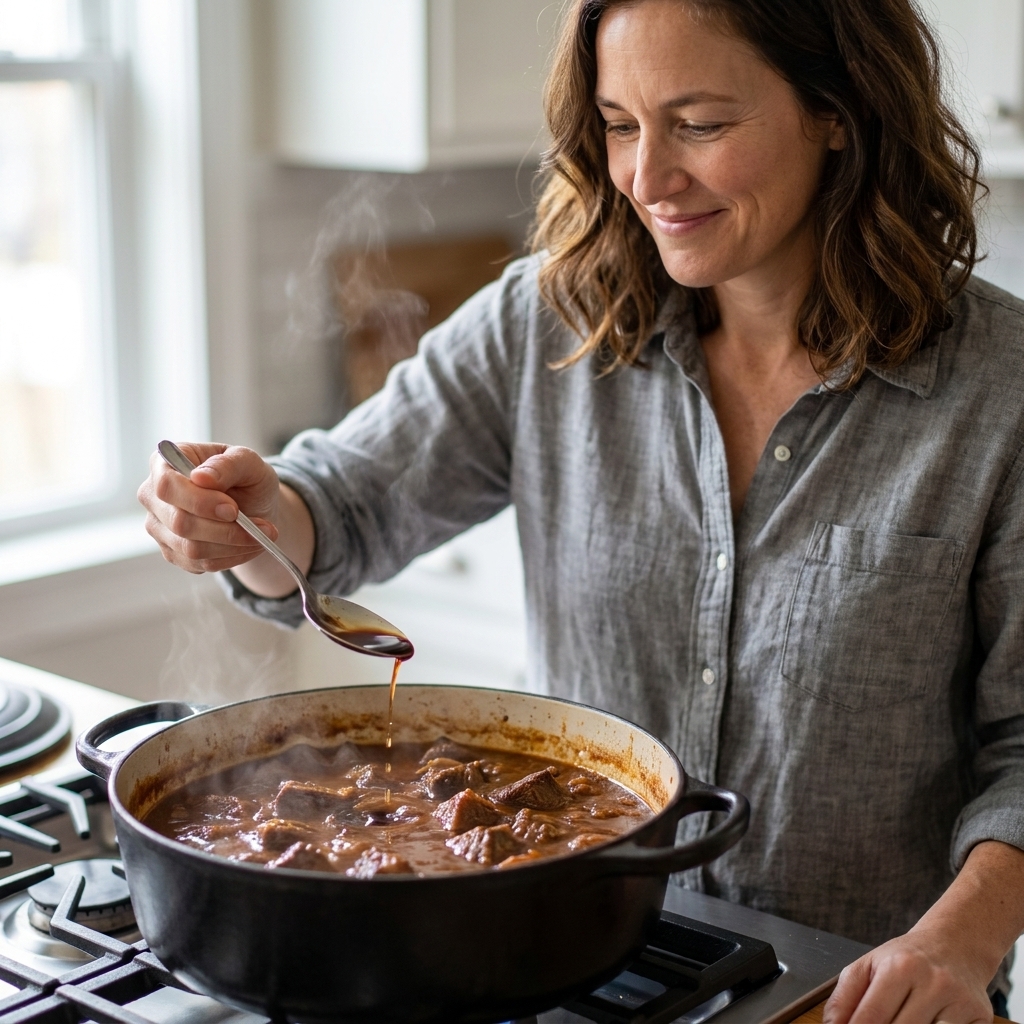
Fixing fat separation
If you see oil pooling on top, do not panic. Choose one of these:
- Skim a little: Use a spoon to remove excess surface fat, especially if it is a lot.
- Whisk it back in: A quick whisk while the stew is warm can re-emulsify the sauce.
- Add a starchy helper: A spoonful of mashed beans (for chili), a little mashed potato, or a small ladle of blended veggies can help bring the sauce back together.
- Finish with gelatin-rich stock: If you have homemade broth or a good boxed stock, a splash can restore that glossy, unified feel.
Slow cooker reheating
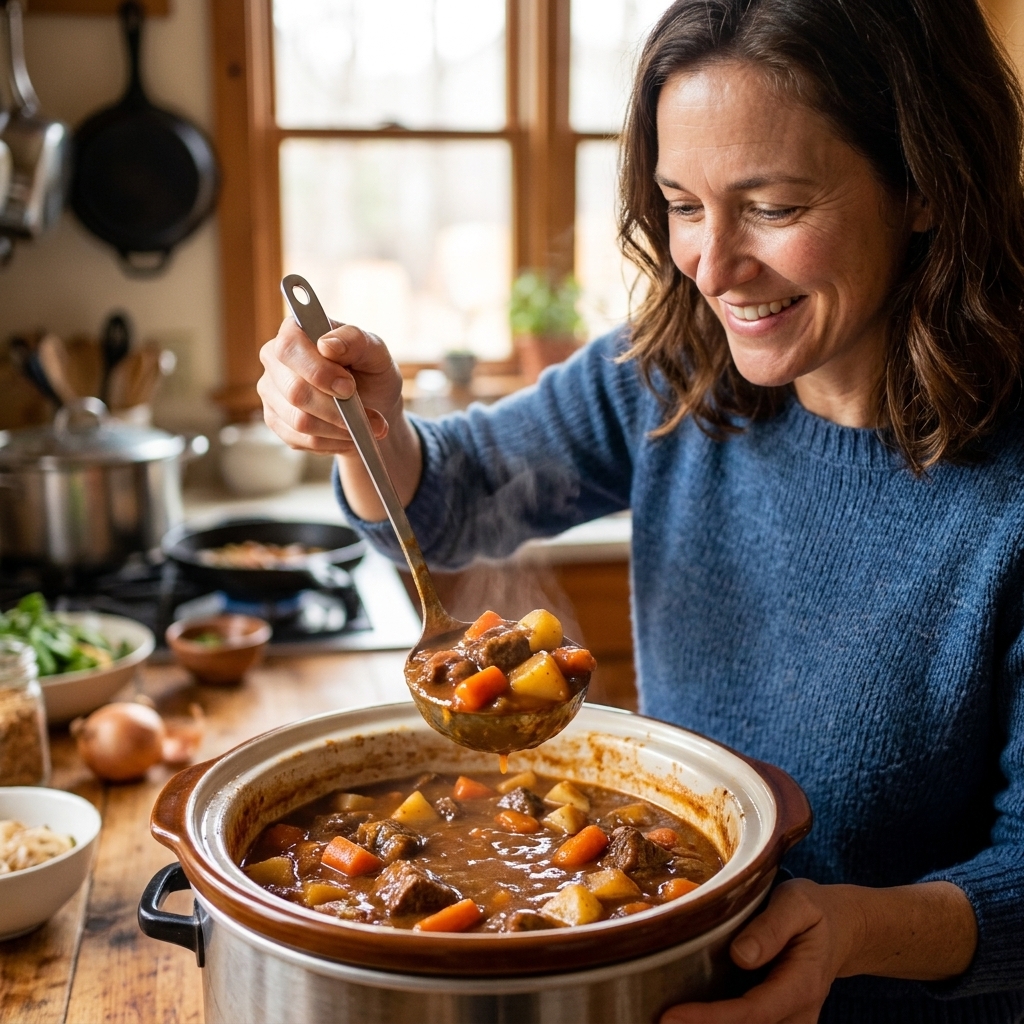
Thaw in the fridge first if you can, then warm on LOW. Stir occasionally. Slow cookers can take a long time to heat dense chili evenly, so plan ahead and keep the lid on.
Oven reheating
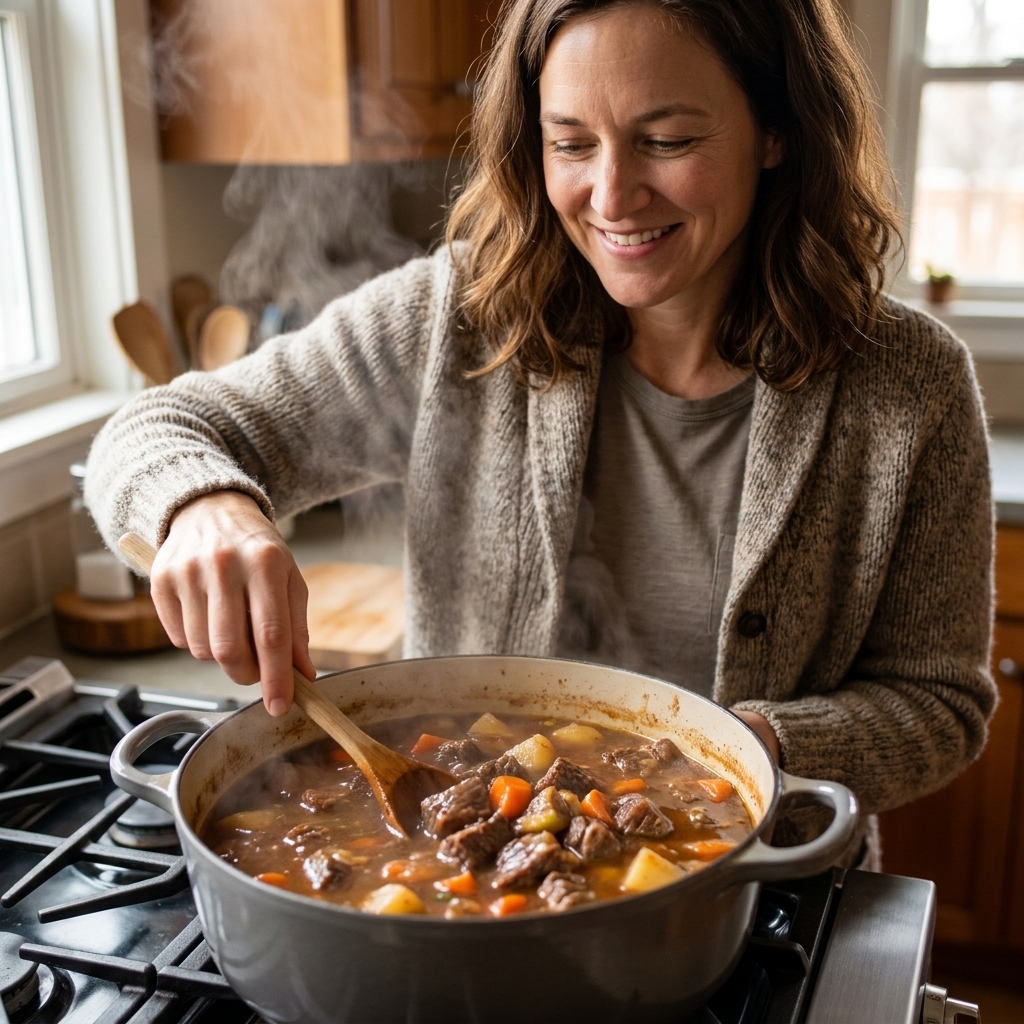
For a large amount, use a covered Dutch oven at 300°F and stir once or twice until hot throughout. This is a gentle, hands-off method that keeps meat from getting hammered by direct burner heat.
Ingredient trouble spots
Potatoes
Potatoes can turn grainy after freezing, especially russets. If you know you are freezing, consider:
- Using waxy potatoes (like Yukon Gold) which hold better.
- Freezing the stew without potatoes and adding fresh cooked potatoes when reheating.
Beans in chili
Beans freeze very well. If they get a little soft, I call that a win because they help thicken chili naturally after reheating.
Dairy
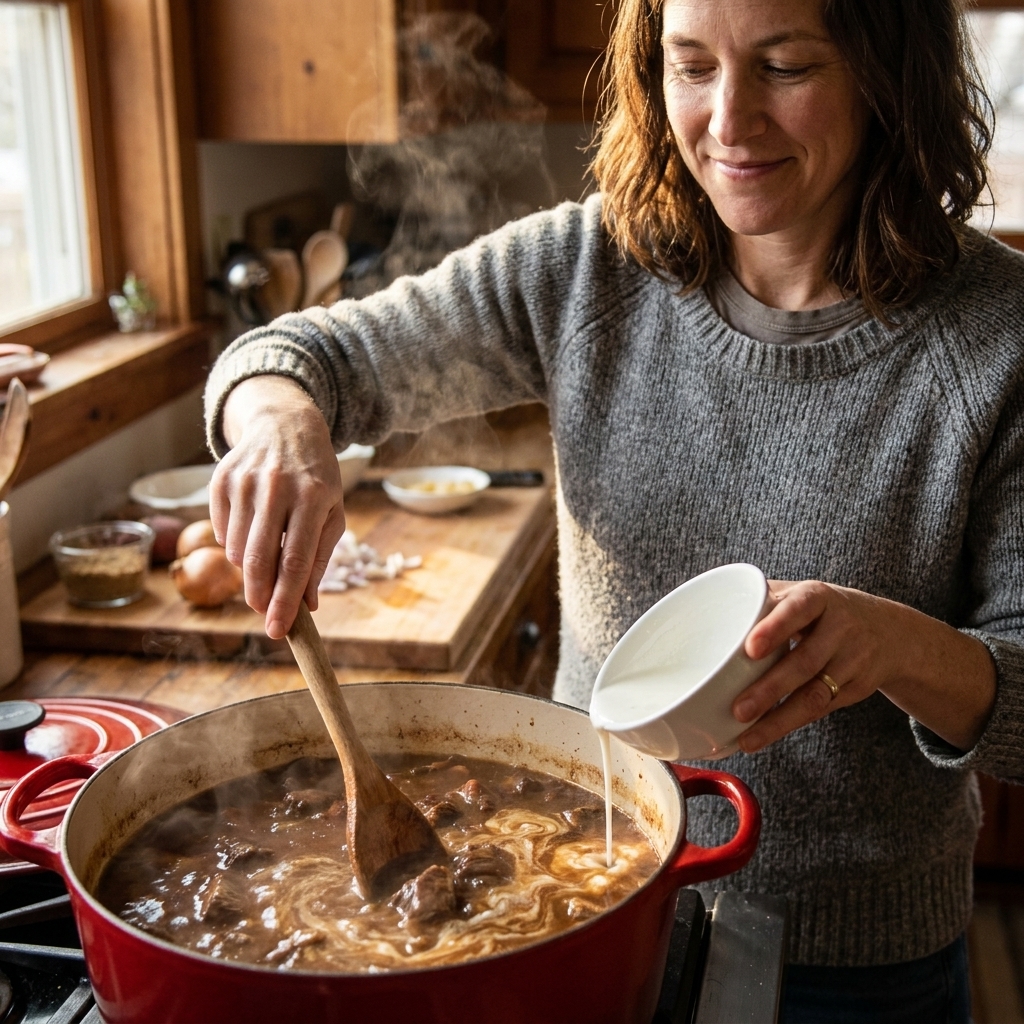
Creamy stews can separate when frozen. My preferred approach is to freeze the base, then add dairy after reheating.
- Reheat the stew fully first.
- Lower the heat.
- Stir in room-temperature dairy gradually.
Flour or cornstarch thickening
Thickened sauces can thin out after freezing. If your stew looks looser than you like, simmer uncovered for a few minutes. If it still needs help, thicken after thawing with a small slurry (cornstarch plus cold water) or a bit of beurre manié (soft butter mashed with flour).
Pasta and rice
Cooked pasta and rice tend to go soft and mushy after freezing and reheating. If you are planning ahead, freeze the stew or chili base without them, then cook noodles or rice fresh when you warm it up.
My tender-meat rule
When you freeze a stew, you are basically pausing it mid-story. When you reheat, you are finishing the chapter. That means gentle heat and patience, especially with:
- Chuck roast stew: low simmer keeps it fork-tender.
- Short ribs: skim excess fat, then warm slowly so collagen stays silky.
- Pork shoulder chili: stir carefully and avoid rapid boiling so it does not shred into dry bits.
- Ground beef chili: break up clumps early while it is still cold in the pot.
Repurpose after reheating
One of my favorite parts of freezing stew is that it becomes an ingredient later.
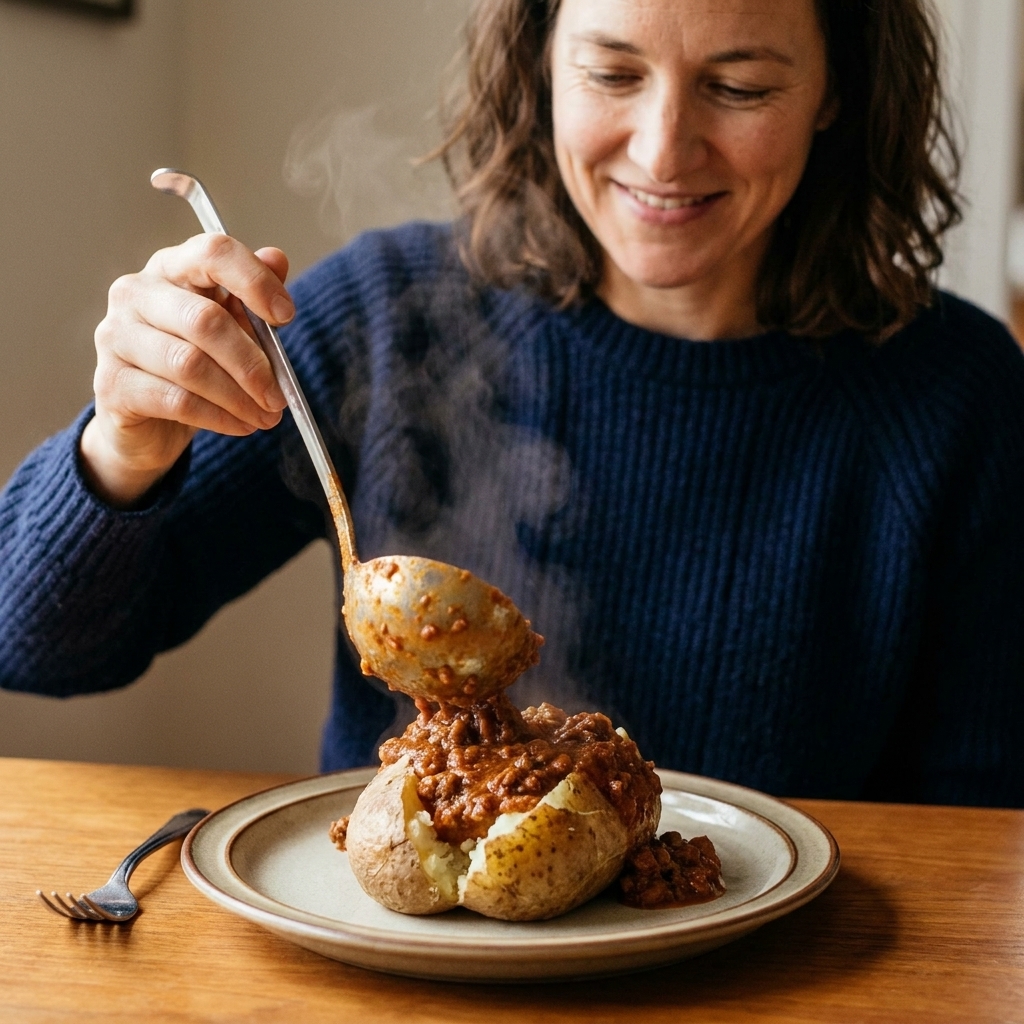
- Chili: spoon over baked potatoes, stir into mac and cheese, or tuck into quesadillas.
- Beef stew: thicken slightly and use as a pot pie filling, or serve over buttered egg noodles.
- Turkey or chicken chili: add broth and turn it into a soup with a handful of rice or tortilla strips.
If the stew tastes a little muted after freezing, brighten it at the end with a squeeze of lemon or lime, a splash of vinegar, or a pinch of salt. Cold storage can dull seasoning, and a tiny finishing touch wakes everything back up.
Quick FAQ
Can I freeze stew or chili while it is still warm?
It is better to cool it quickly first. Warm food can raise the temperature in your freezer and can cool too slowly in the center, which is a food safety risk. Divide into shallow containers, chill in the fridge until cold, then freeze.
Why did my stew turn watery after thawing?
Freezing can break emulsions and change how starches hold liquid. Reheat gently, simmer uncovered to reduce, and consider a small slurry to tighten it back up if needed.
Is it better to freeze chili with beans or without?
With beans is perfectly fine. They soften slightly, but they also help the chili thicken and reheat smoothly.
How do I avoid freezer burn?
Use freezer-grade packaging, press out air, leave proper headspace, and freeze portions quickly. Flat freezer bags stacked tightly help because they freeze fast and minimize air exposure.
Can I refreeze thawed stew?
If it thawed in the fridge and stayed cold, refreezing is generally safe, but quality will take a hit. For best texture, reheat once and only re-freeze if you really need to.