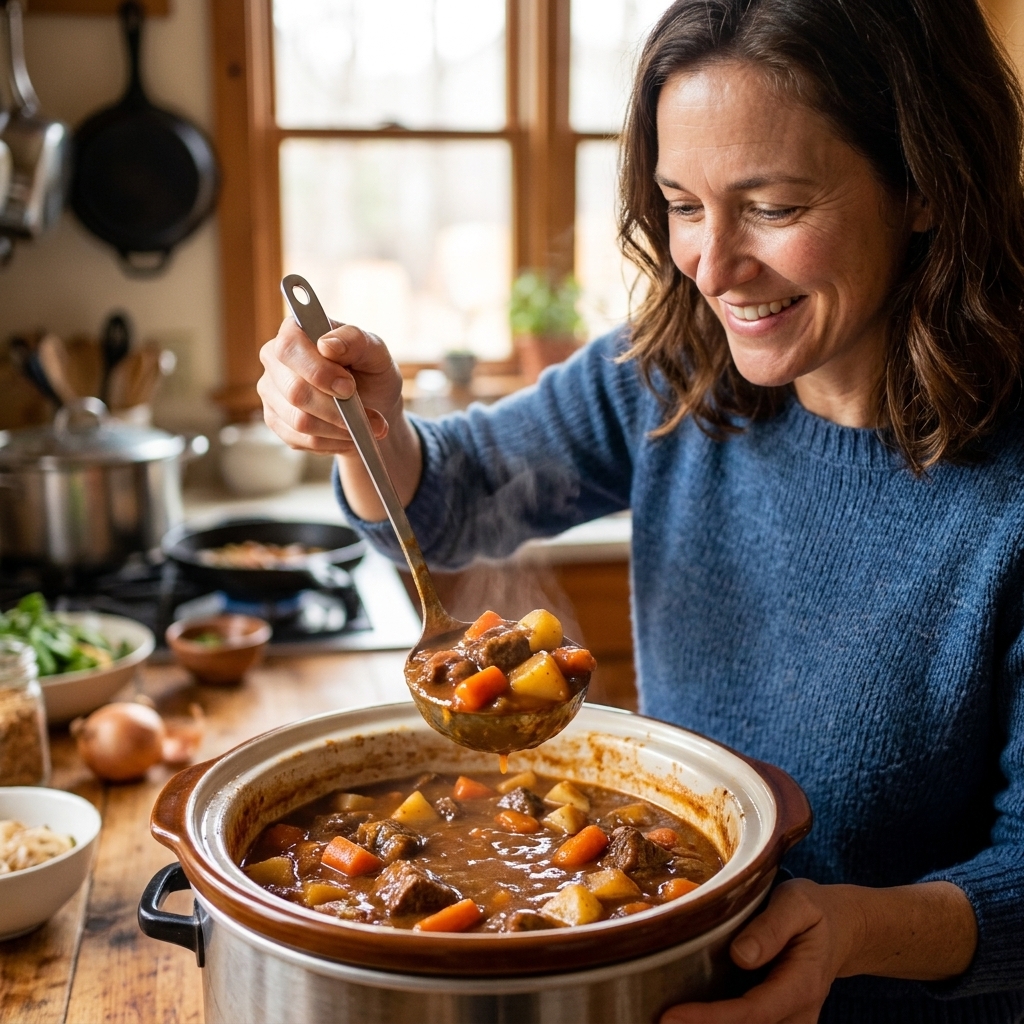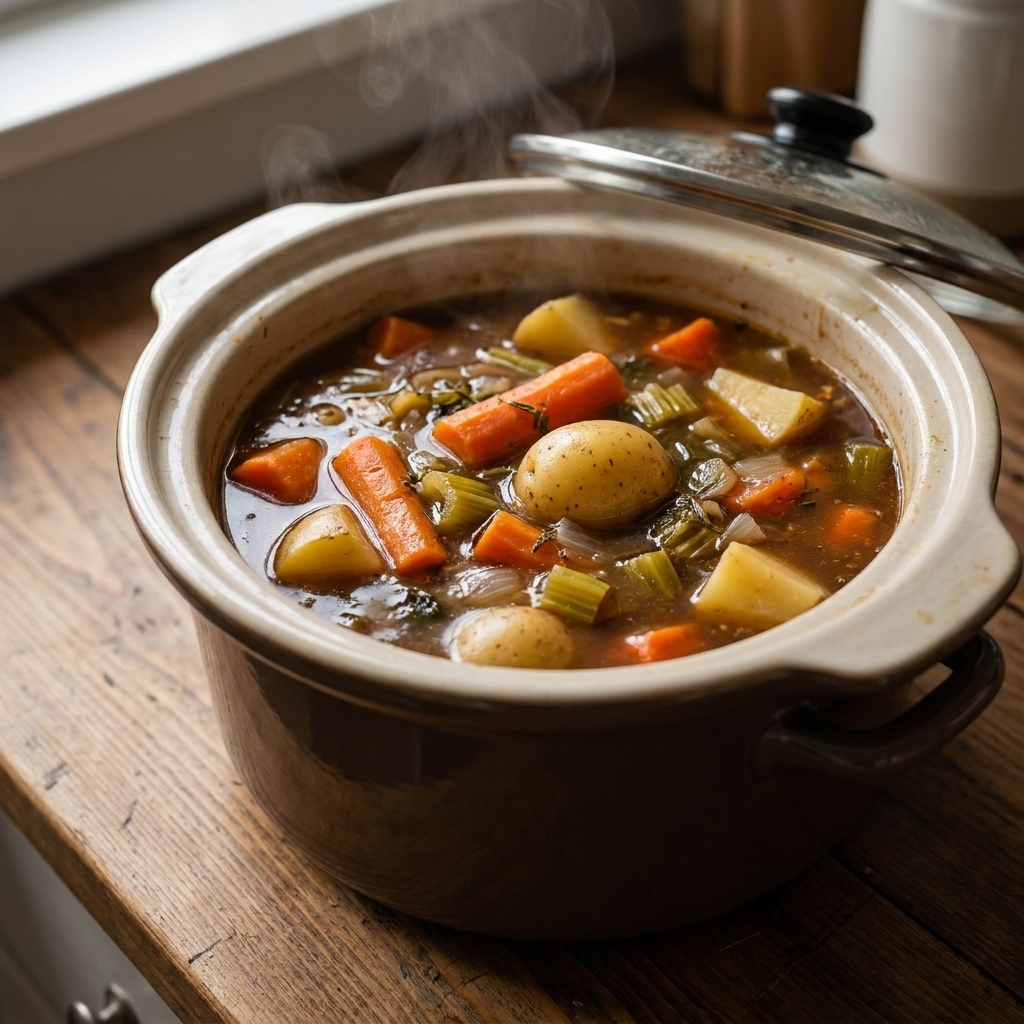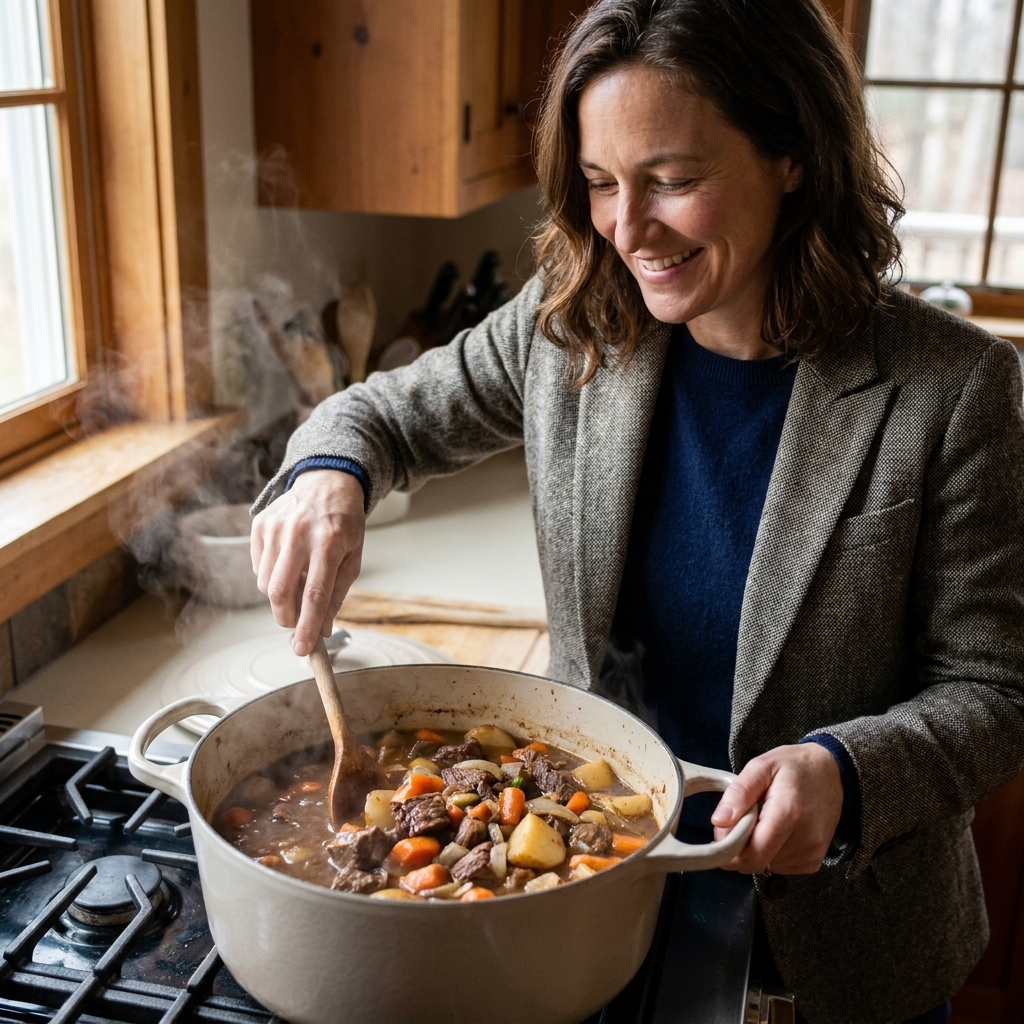
When the wind is sharp and the sidewalks look like a snow globe, my kitchen instincts kick in: put something sturdy in a pot, let it burble all afternoon, and plan dinner around a good hunk of bread. The best part about a slow cooker is that it delivers that slow-simmered comfort even when you are juggling real life.
Below are 11 traditional, low-and-slow stews from around the world, plus the specific tweaks that make them work beautifully in a slow cooker. Think of this as a warm, edible passport: rich sauces, tender meat, and that smell that greets you at the door.
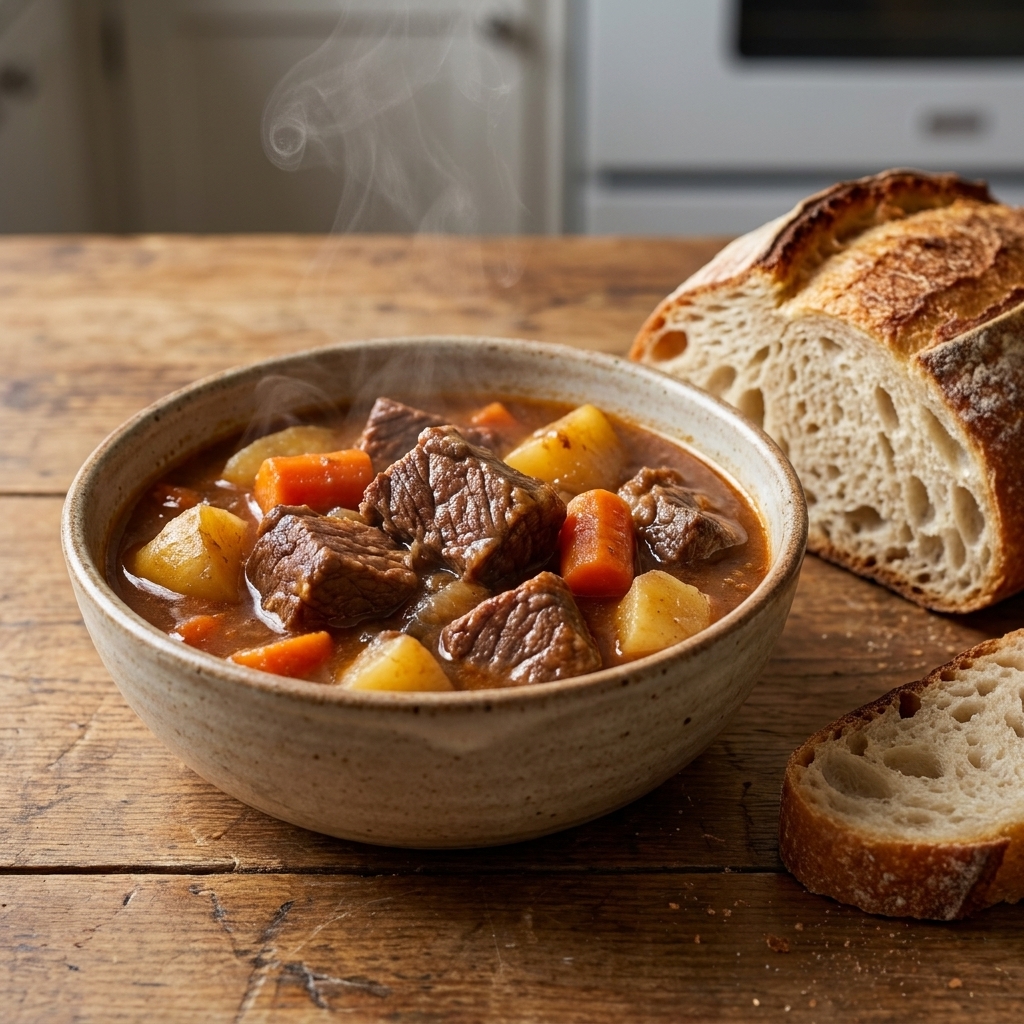
Before you start: 7 slow-cooker moves that make stews taste slow-simmered
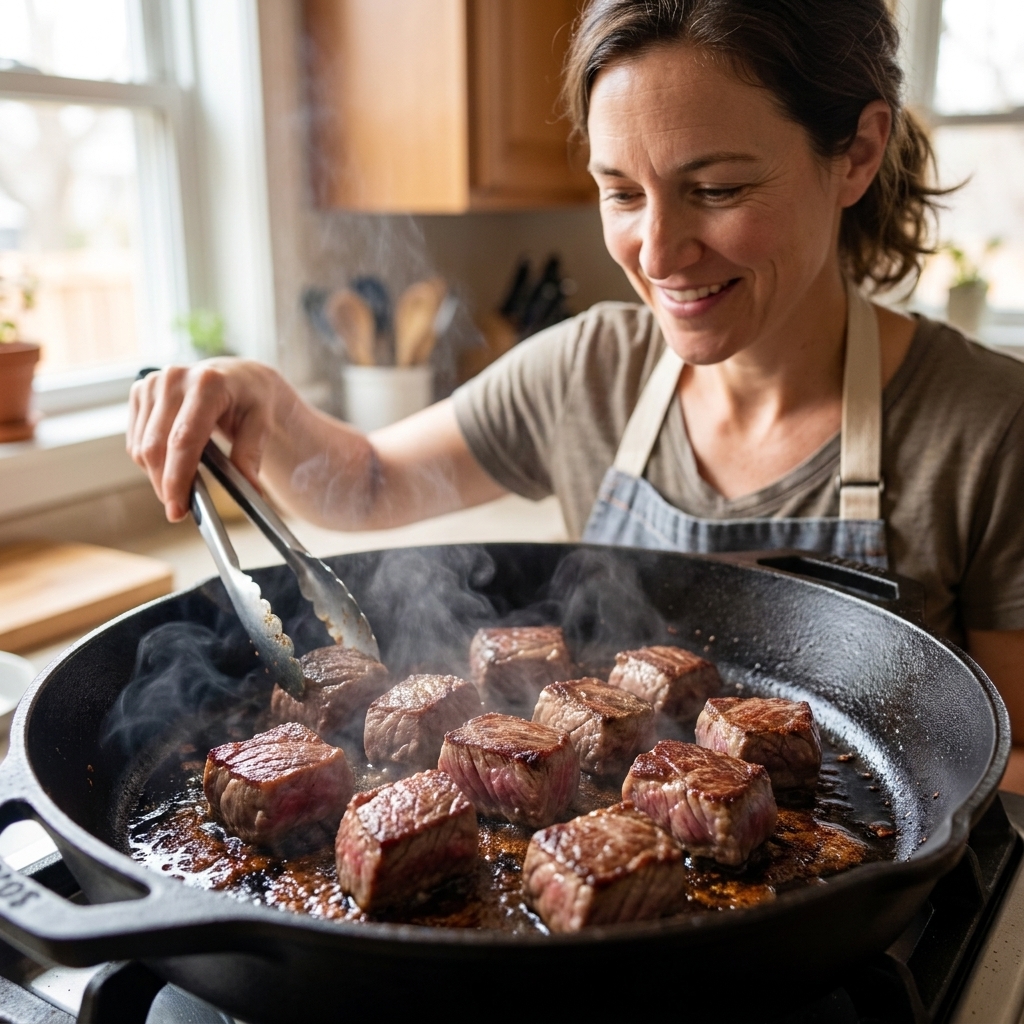
- Brown first when you can. A quick sear on meat and a little caramelization on onions builds the flavor you normally get from hours on the stove.
- Keep the liquid modest. Slow cookers trap moisture. Start with less broth than you think, then loosen the sauce at the end if needed.
- Use sturdy cuts. Chuck, short ribs, lamb shoulder, pork shoulder, and chicken thighs stay juicy after long cooking.
- Add delicate ingredients late. Peas, spinach, fresh herbs, lemon juice, and coconut milk are happiest in the last 15 to 30 minutes.
- Do not lift the lid. Every peek drops the temperature and stretches the cook. Trust the process and save the stirring for the end.
- Finish with a wake-up step. A splash of vinegar, citrus, a pinch of salt, or a spoonful of chili crisp at the end can make the whole pot sing.
- Cool and store safely. Get leftovers into the fridge promptly in shallow containers, then reheat until piping hot before serving.
1) France: boeuf bourguignon
What it is: Beef braised in red wine with mushrooms, pearl onions, and bacon, traditionally simmered low and slow until glossy and spoon-tender.
Slow-cooker adaptation: Brown bacon and beef in a skillet first, then add to the slow cooker with sautéed onions, garlic, tomato paste, and flour (or skip flour and thicken later). Use a dry red wine you would drink and enough stock to just barely cover the meat.
Timing: Low 8 to 10 hours or High 4 to 6.
Serve with: Mashed potatoes, buttered egg noodles, or crusty bread.
Tip: Keep mushrooms out until the last hour so they stay meaty instead of spongy. Finish with a small knob of butter for that classic French sheen.
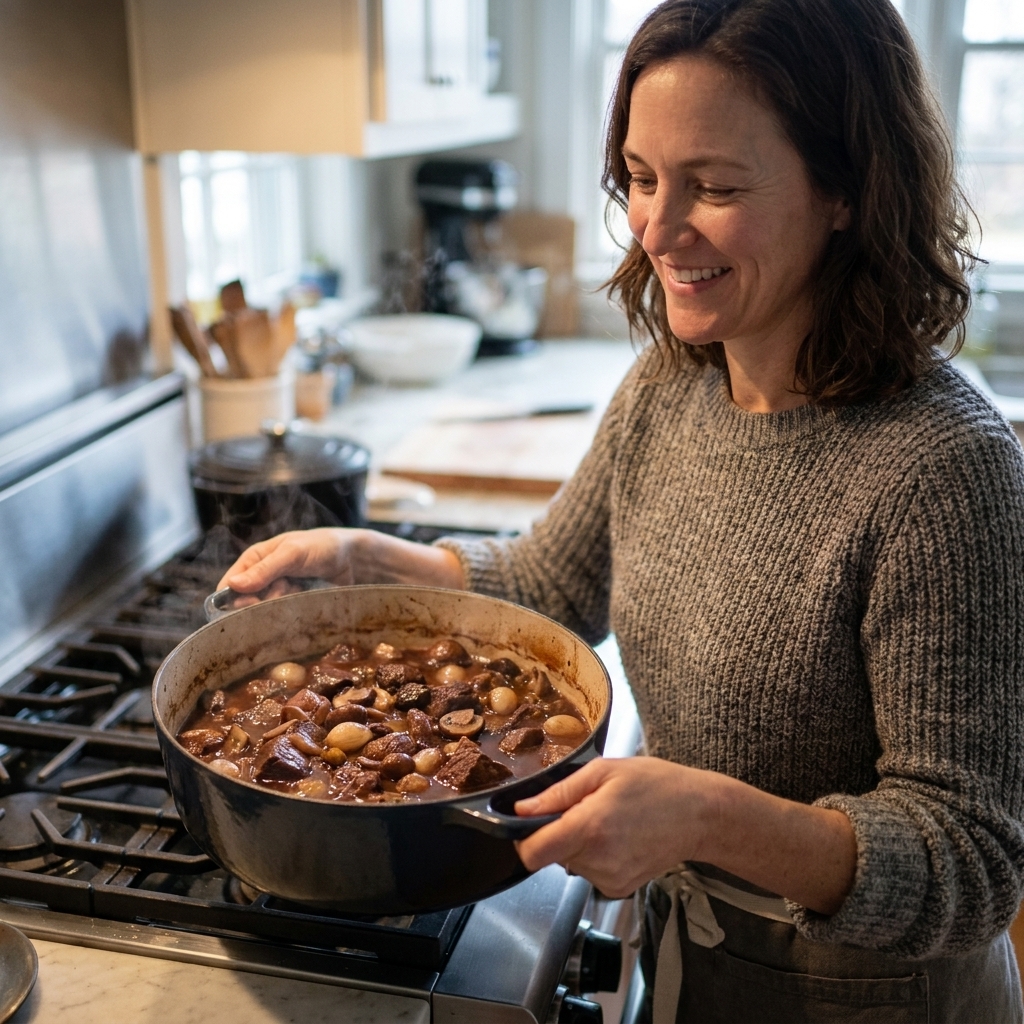
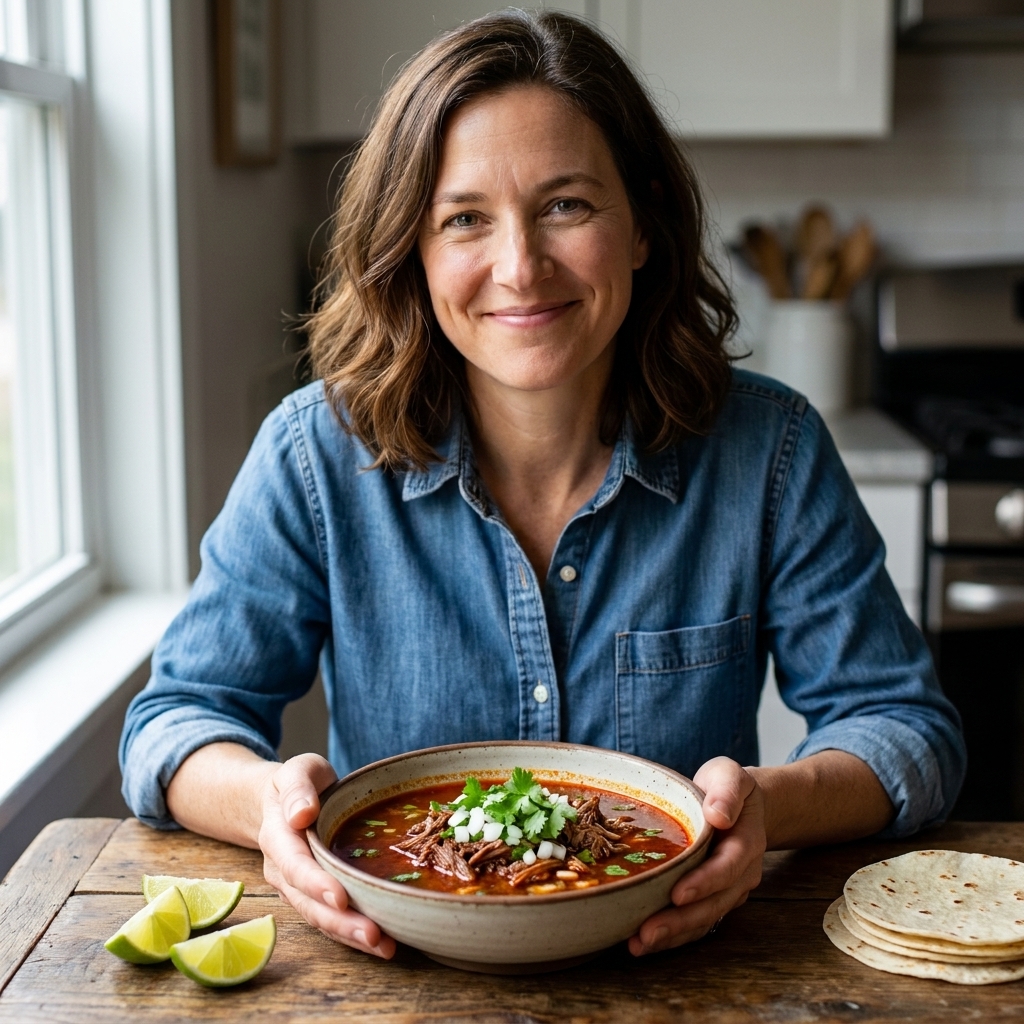
2) Mexico: birria
What it is: A deeply spiced braise built on dried chiles, aromatics, and warm spices. Traditionally made with goat or beef, served as a stew or turned into crispy tacos dipped in consomé.
Slow-cooker adaptation: Toast dried chiles briefly, then soak and blend with garlic, onion, cumin, oregano, cloves, cinnamon, and a little vinegar. Pour the sauce over beef chuck (or lamb shoulder) in the slow cooker.
Timing: Low 8 to 9 hours or High 4 to 5.
Serve with: Warm tortillas, chopped onion and cilantro, and lime.
Tip: After shredding the meat, skim fat and save a few spoonfuls. That orange-tinted fat is perfect for searing tortillas or drizzling over bowls.
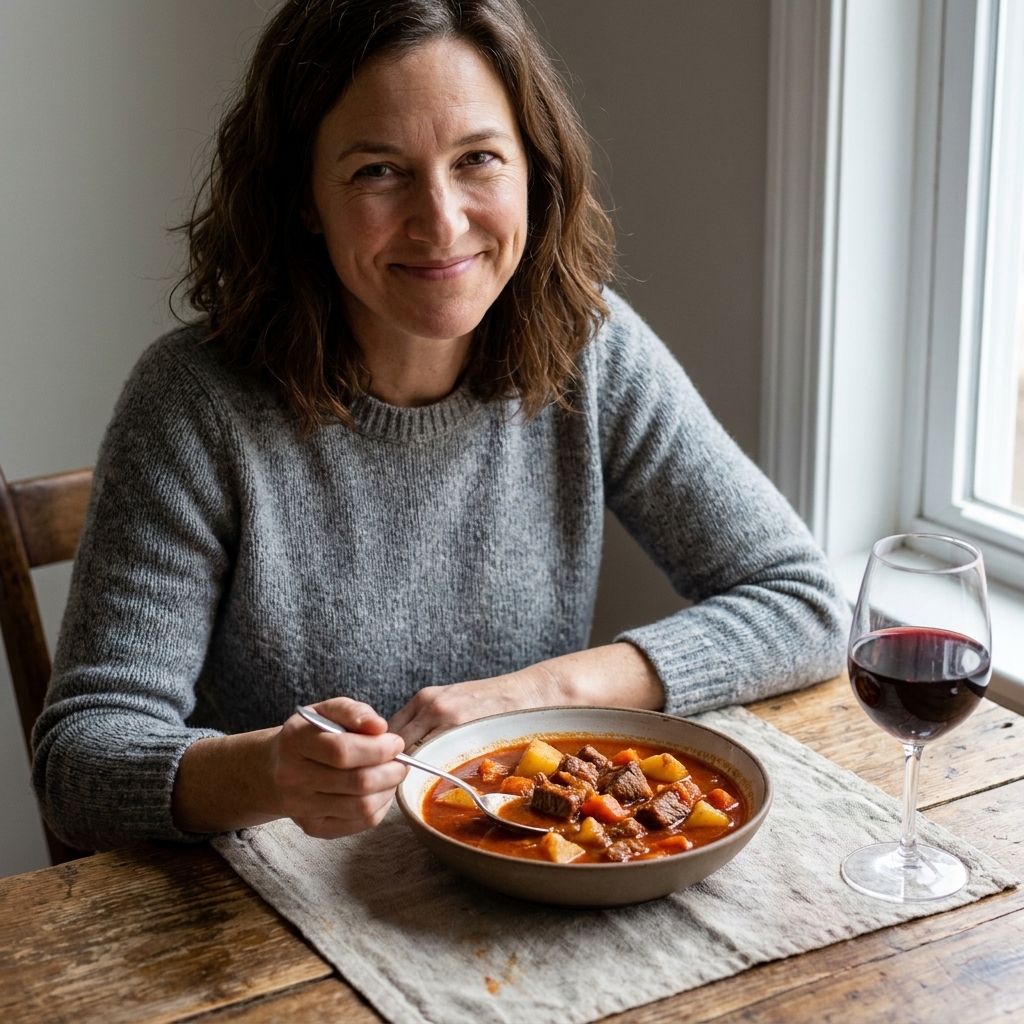
3) Hungary: goulash
What it is: A paprika-forward beef stew with onions and peppers, somewhere between soup and stew depending on the region.
Slow-cooker adaptation: The key is blooming paprika. Cook onions slowly on the stovetop first, then stir in sweet Hungarian paprika (and a touch of hot paprika if you like) just until fragrant before adding everything to the slow cooker. This keeps the paprika from tasting raw.
Timing: Low 7 to 9 hours or High 3 to 5.
Serve with: Buttered noodles, dumplings, or rye bread.
Tip: Add potatoes in the last 2 to 3 hours on Low so they hold their shape.
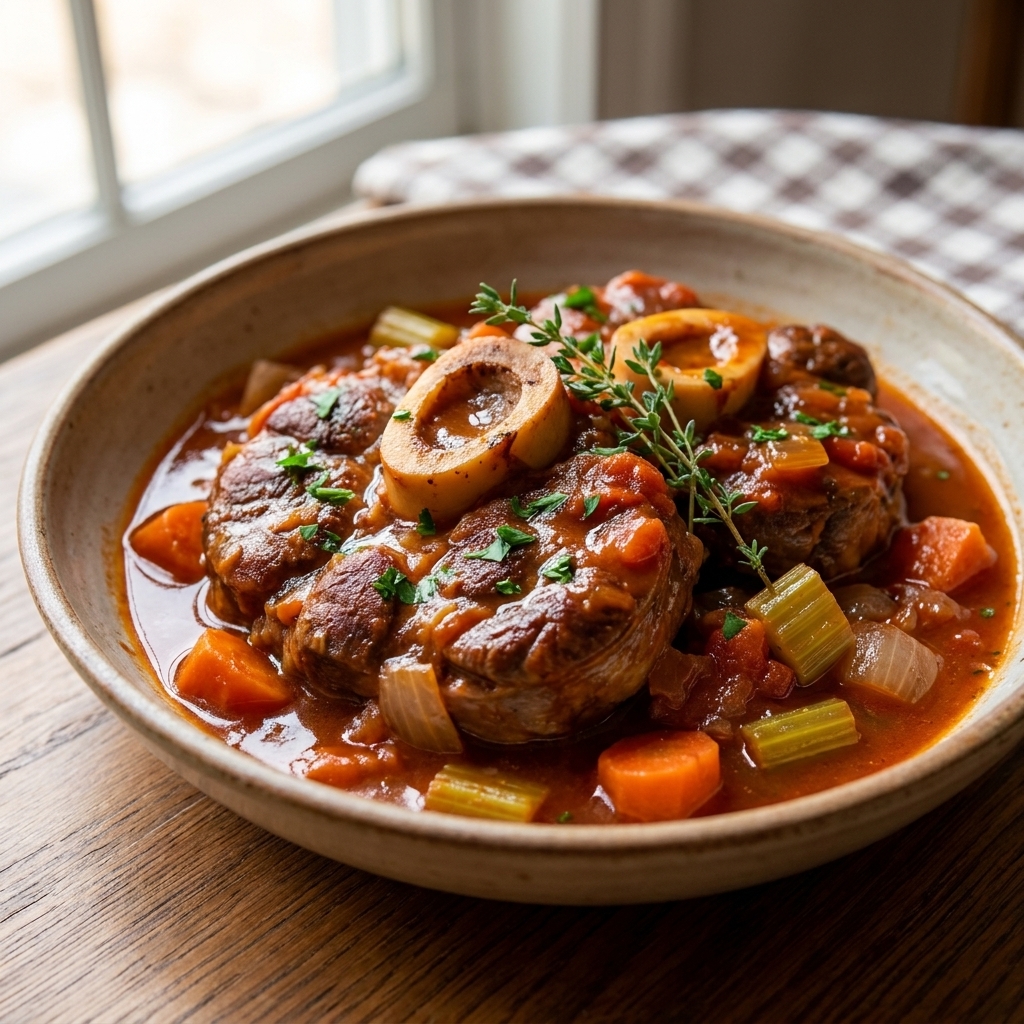
4) Italy: osso buco style braise
What it is: Traditionally, veal shanks braised with vegetables, wine, and broth, finished with gremolata (lemon zest, garlic, parsley) for brightness.
Slow-cooker adaptation: Brown shanks well, then slow cook with carrot, celery, onion, garlic, white wine, and stock.
Timing: Low 7 to 8 hours or High 4 to 5.
Serve with: Risotto, polenta, or a pile of silky mashed potatoes.
Tip: Make gremolata right before serving. That fresh lemon and parsley is what makes the whole dish feel lifted instead of heavy.
5) Morocco: lamb tagine
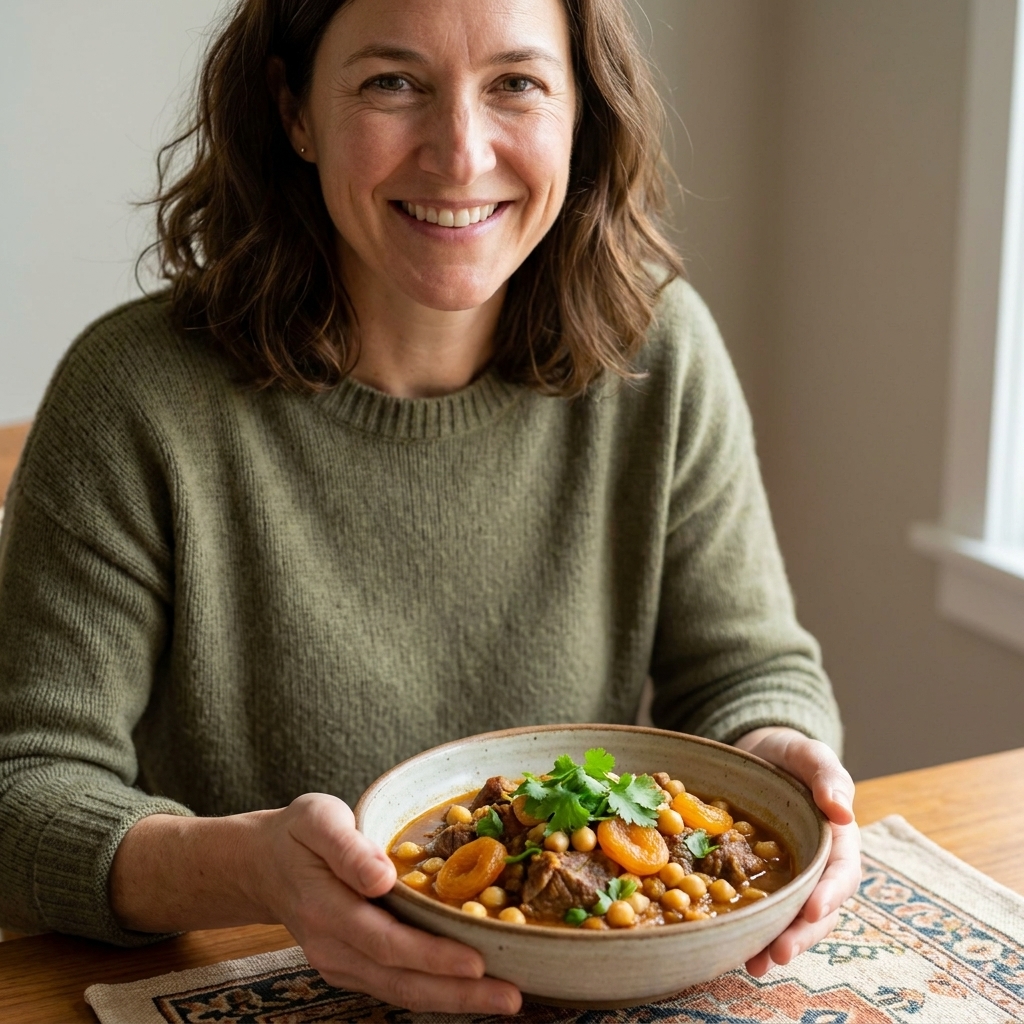
What it is: A fragrant stew built on warm spices like cumin, cinnamon, ginger, and turmeric, often with dried fruit and olives for sweet-salty balance.
Slow-cooker adaptation: Sauté onions with spices briefly to wake them up, then add lamb shoulder chunks (or chickpeas and sweet potato for a meatless version), tomatoes, stock, and dried apricots or prunes.
Timing: Low 7 to 9 hours or High 3 to 5.
Serve with: Couscous, rice, or warm flatbread.
Tip: Add olives and preserved lemon (if using) in the last 30 minutes so they stay punchy.
6) Japan: nikujaga
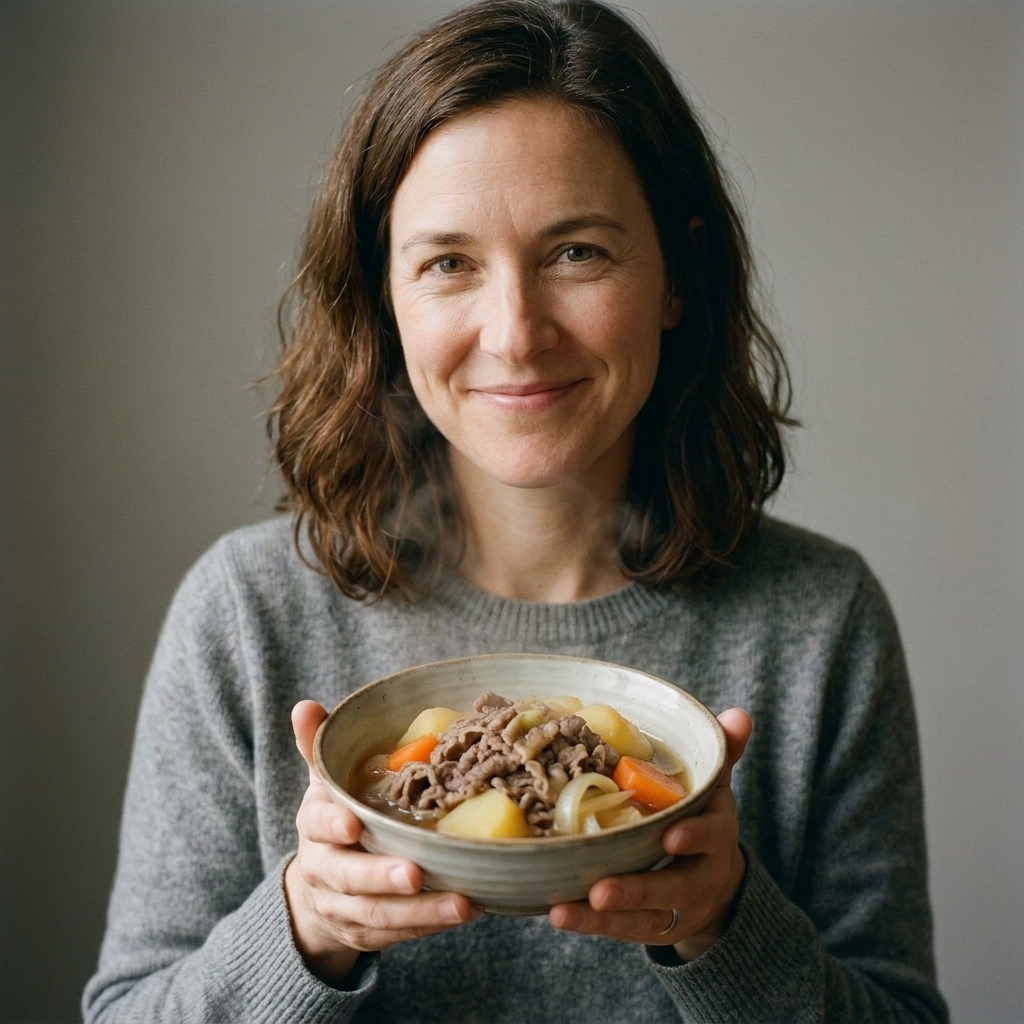
What it is: A homey Japanese simmer of beef (or pork), potatoes, onions, and carrots in a soy-mirin-sugar broth.
Slow-cooker adaptation: Because it is gentler than many braises, use Low and keep the cook shorter. Layer potatoes and carrots on the bottom, then onions. Add beef in thicker slices, or wait to stir in very thinly sliced beef during the last 45 to 60 minutes so it stays tender. Add dashi (or broth), soy sauce, mirin, and a little sugar.
Timing: Low 4 to 5 hours.
Serve with: Steamed rice and a simple cucumber salad.
Tip: Stir carefully near the end. You want tender potatoes, not mashed potatoes.
7) Philippines: kare-kare
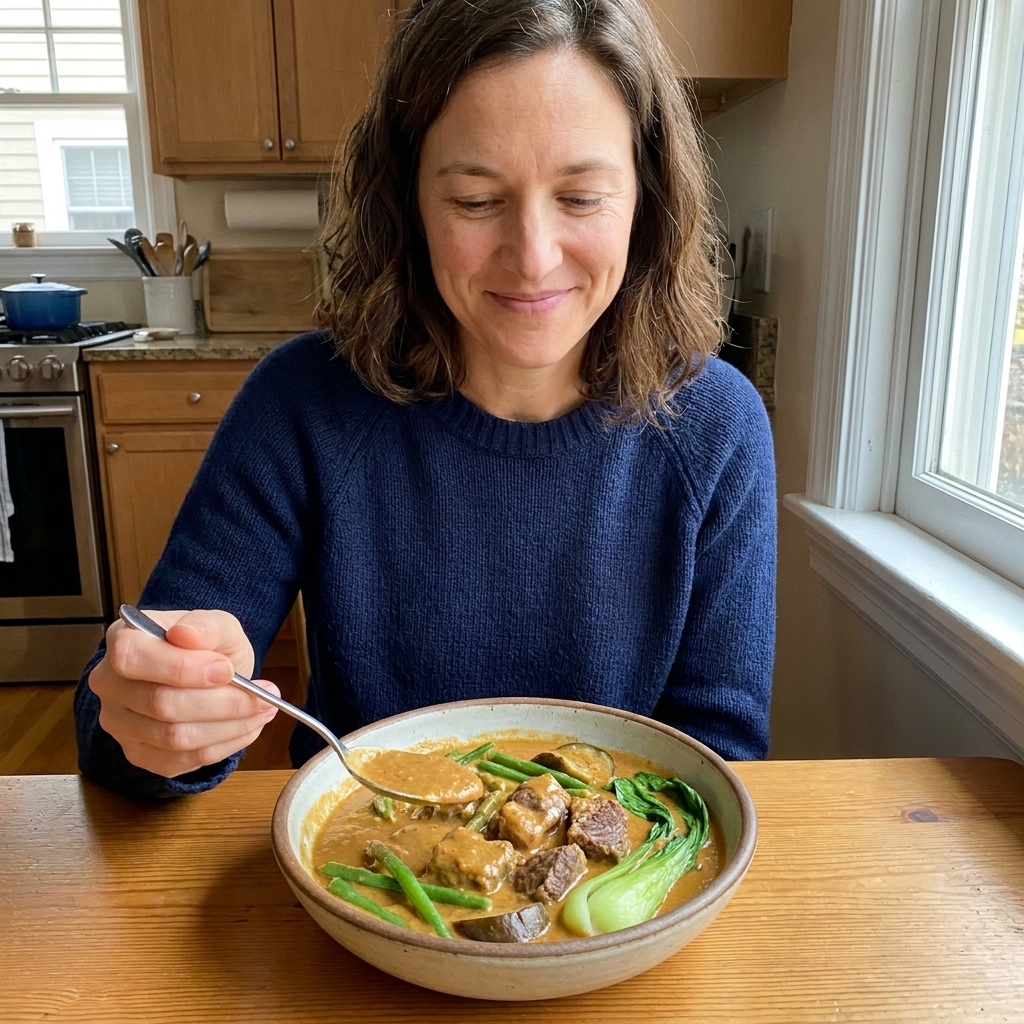
What it is: A rich, savory stew thickened with ground peanuts or peanut butter, traditionally served with bagoong (fermented shrimp paste) on the side.
Slow-cooker adaptation: Use oxtail, beef shank, or pork hocks if you can find them, or substitute chuck roast for easier shopping. Slow cook the meat with onion and broth until very tender, then whisk in peanut butter and a thickener like toasted rice powder or a cornstarch slurry. Add vegetables like eggplant and long beans toward the end so they do not turn to mush. Keep bagoong as a table condiment, so everyone can add the funk they want.
Timing: Low 8 to 10 hours (oxtail) or Low 7 to 8 (chuck).
Serve with: Steamed rice, plus sliced cucumbers or blanched greens.
Tip: If the sauce looks separated, whisk vigorously and give it 10 minutes on High at the end. Peanut stews tighten up as they sit.
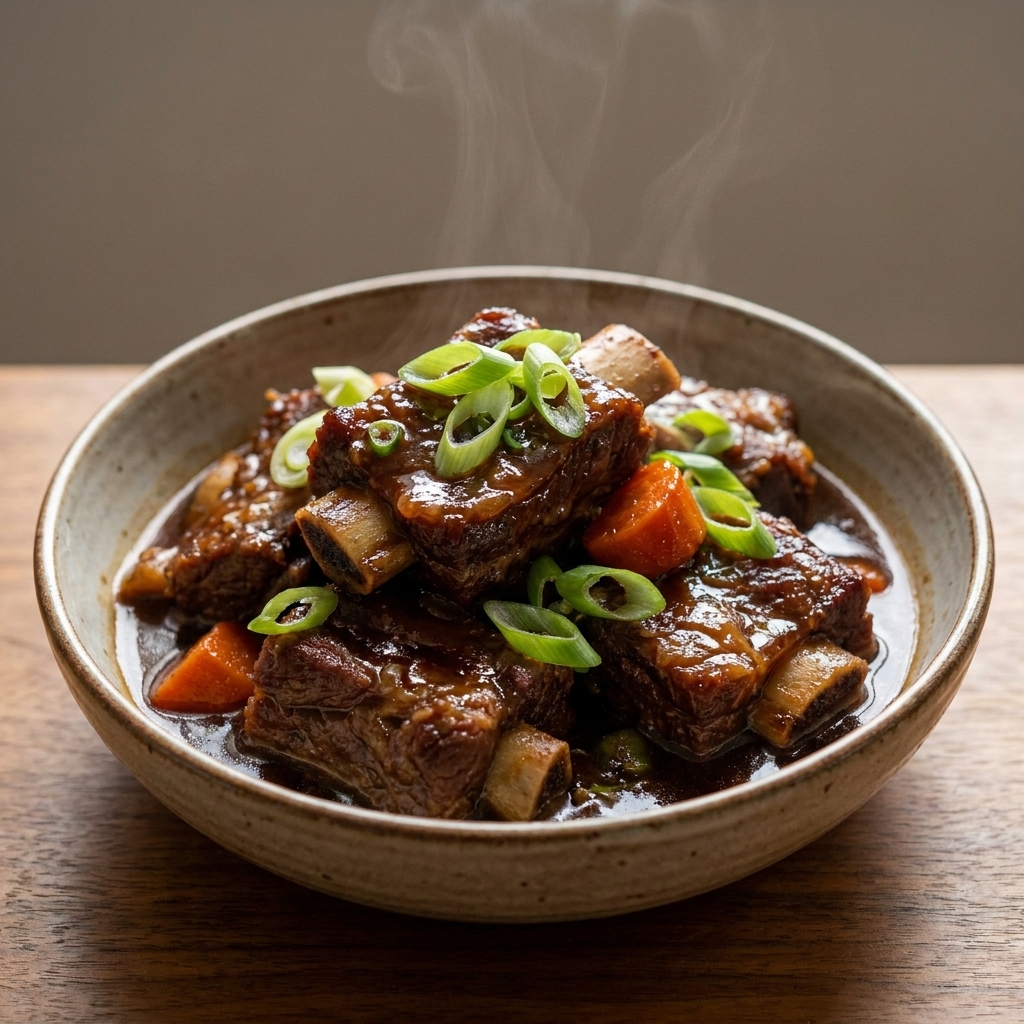
8) Korea: galbijjim
What it is: Soy-braised short ribs with garlic, ginger, and a hint of sweetness, often with carrots and radish.
Slow-cooker adaptation: Soak bone-in short ribs in cold water for 30 minutes if you have time, then drain. Brown them, then slow cook with soy sauce, brown sugar or honey, garlic, ginger, onion, and Asian pear (or grated apple) for tenderness and sweetness.
Timing: Low 7 to 8 hours or High 4 to 5.
Serve with: Steamed rice, kimchi, and something crisp and pickly.
Tip: Add carrots in big chunks and wait to add mushrooms until the last hour. Finish with toasted sesame oil and scallions.
9) Jamaica: oxtail stew
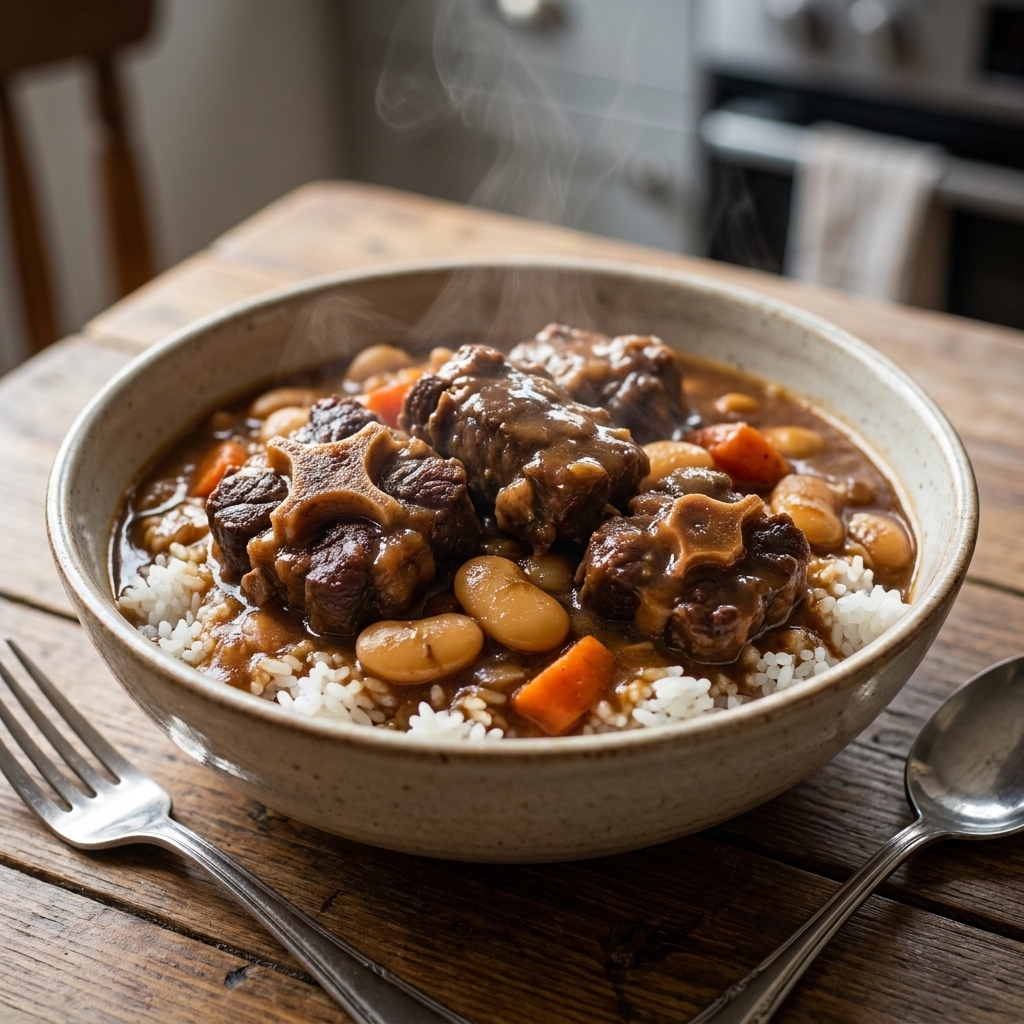
What it is: Oxtail cooked until silky and fall-apart tender in a richly seasoned gravy, often finished with butter beans.
Slow-cooker adaptation: Brown oxtail well. Slow cook with onions, garlic, thyme, scallions, allspice, a little browning sauce if you use it, and beef broth. Add butter beans in the last 30 to 60 minutes so they stay intact.
Timing: Low 9 to 10 hours or High 5 to 6.
Serve with: Rice and peas, plain rice, or fried plantains.
Tip: Chill the pot overnight if you can. The next day you can lift off the solidified fat in one swoop, and the flavor will be even deeper.
10) India: rogan josh
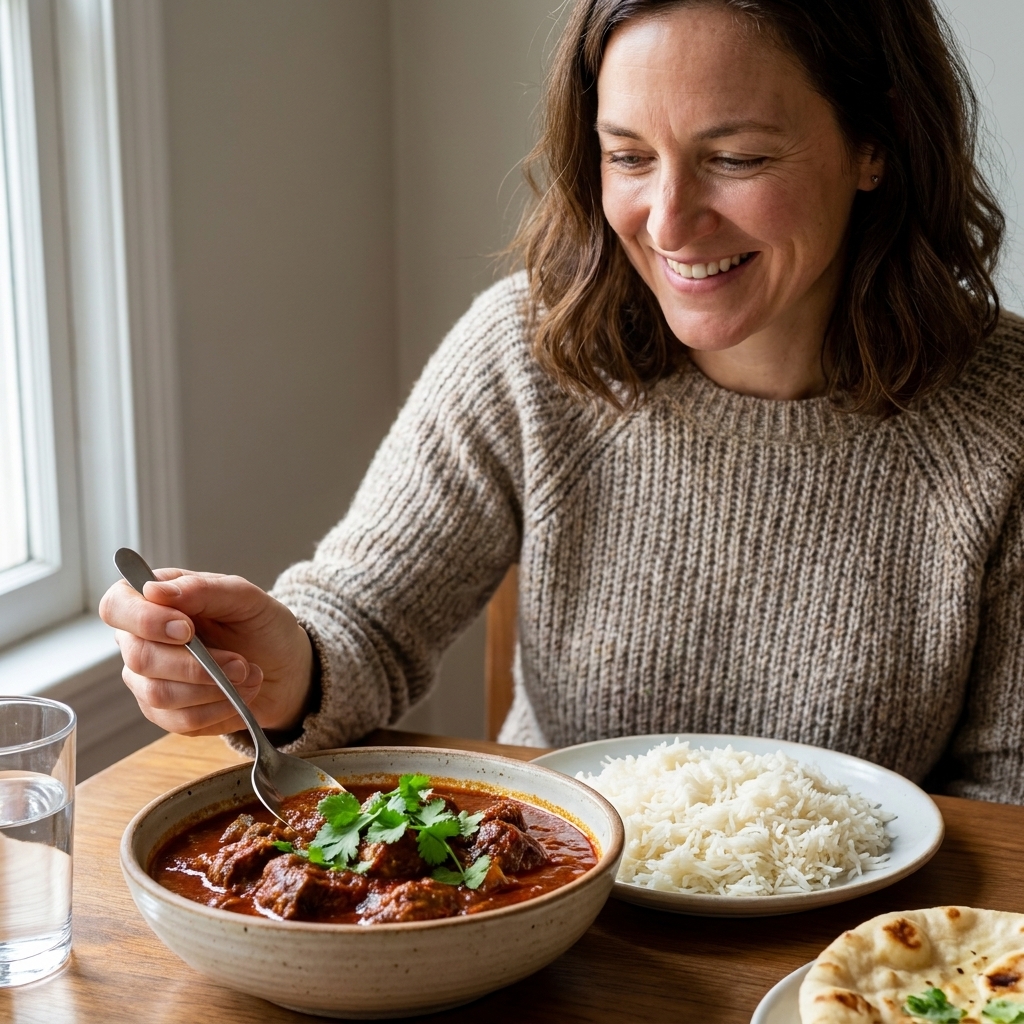
What it is: A slow-cooked lamb curry known for its warming spices and a beautiful red hue, often from Kashmiri chile.
Slow-cooker adaptation: Start with a spice bloom on the stovetop: toast whole spices (if using), then cook ground spices briefly with onions and tomato paste. Add lamb shoulder and a splash of broth. If you like a slightly richer, more tomato-forward sauce for slow cooking, add a small amount of crushed tomatoes, but keep it optional. Stir in yogurt at the end off the heat, or temper it with a spoonful of hot sauce first so it does not curdle.
Timing: Low 7 to 8 hours or High 4 to 5.
Serve with: Basmati rice or naan, plus something cooling like cucumber raita.
Tip: Kashmiri chile powder is mild and color-rich. If you swap in cayenne, use a much smaller amount and add paprika for color.
11) Ireland: Guinness beef stew
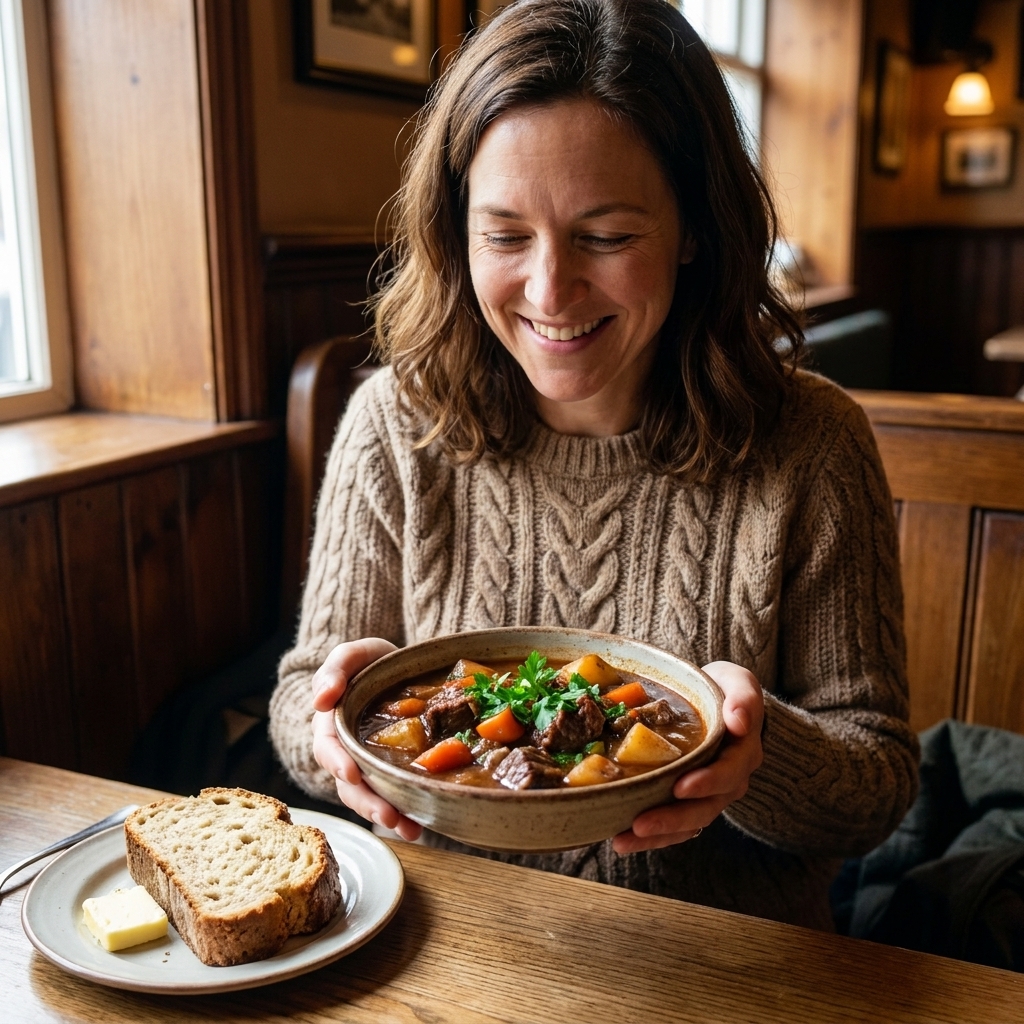
What it is: Beef stew enriched with stout, onions, and root vegetables, cooked until the gravy turns dark and velvety.
Slow-cooker adaptation: Brown beef and onions, then deglaze the pan with Guinness to capture every browned bit. Add to the slow cooker with carrots, parsnips, thyme, and stock. Add potatoes later so they do not dissolve.
Timing: Low 8 to 9 hours or High 4 to 5.
Serve with: Soda bread, mashed potatoes, or a simple green salad.
Tip: A spoonful of brown sugar or molasses can round out stout bitterness if your beer leans sharp. Add it early, then adjust salt at the end.
Cook once, eat twice
If you are already letting something simmer all day, you might as well set yourself up for an easy second meal. Here are my favorite leftover moves:
- Boeuf bourguignon: Shred leftovers and spoon over buttered egg noodles, or tuck into a pot pie.
- Birria: Crisp the meat in a skillet and make quesadillas, then sip the broth alongside.
- Goulash: Thin with broth and add extra vegetables for an instant soup.
- Tagine: Stir leftovers into couscous with a handful of arugula for a warm salad moment.
- Short rib braise: Pile onto toasted bread with quick pickled onions for a good sandwich.
FAQ
Do I really need to brown the meat first?
You do not have to, but it is the fastest way to get restaurant-style depth in a slow cooker. If your day is chaos, at least brown the onions and tomato paste, or use a very hot skillet to sear the meat in two quick batches.
Why does my slow-cooker stew taste watery?
Slow cookers do not evaporate the way a Dutch oven does. Use less liquid to start, and thicken at the end if needed. A cornstarch slurry, a beurre manié (soft butter mashed with flour), or simply simmering the sauce on the stovetop for 10 minutes will help.
When should I add potatoes and other vegetables?
Root vegetables can handle long cooking, but they can still go soft if they sit in bubbling liquid all day. For most stews, add potatoes in the last 2 to 3 hours on Low. Tender vegetables and greens go in the final 15 to 30 minutes.
Can I adapt these to chicken or vegetarian versions?
Yes. Swap in chicken thighs for many of the beef and lamb stews and shorten the cook time (often 4 to 6 hours on Low). For vegetarian versions, use chickpeas, lentils, mushrooms, and sweet potatoes, then build flavor with browned onions, tomato paste, and a bold seasoning base.