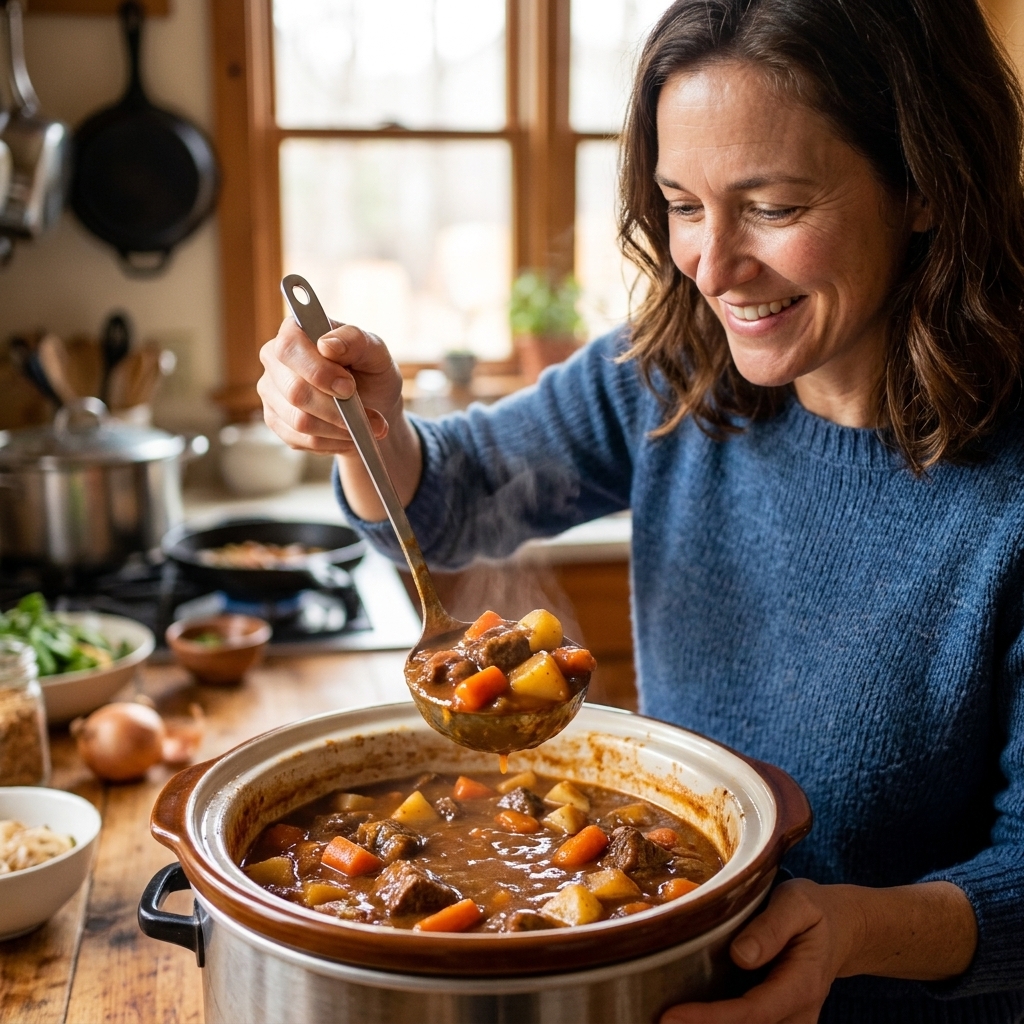
If you have wild game in the freezer, you are already halfway to the coziest pot of the season. Venison, elk, and bison make deeply savory stews and chilis, but they often need a slightly different approach than beef, mostly because they tend to be leaner. (Farm-raised elk or bison can cook a lot like very-lean beef, while truly wild deer and elk can vary more by species, age, diet, and how the animal was handled.)
I grew up in upstate New York where winter soup pots did a lot of heavy lifting, and wild game showed up often enough that I learned quickly what works and what does not. This guide is everything I wish I could tape to my Dutch oven: how to prep, tenderize, and season wild game so you get rich, hearty bowls without that lingering aftertaste.
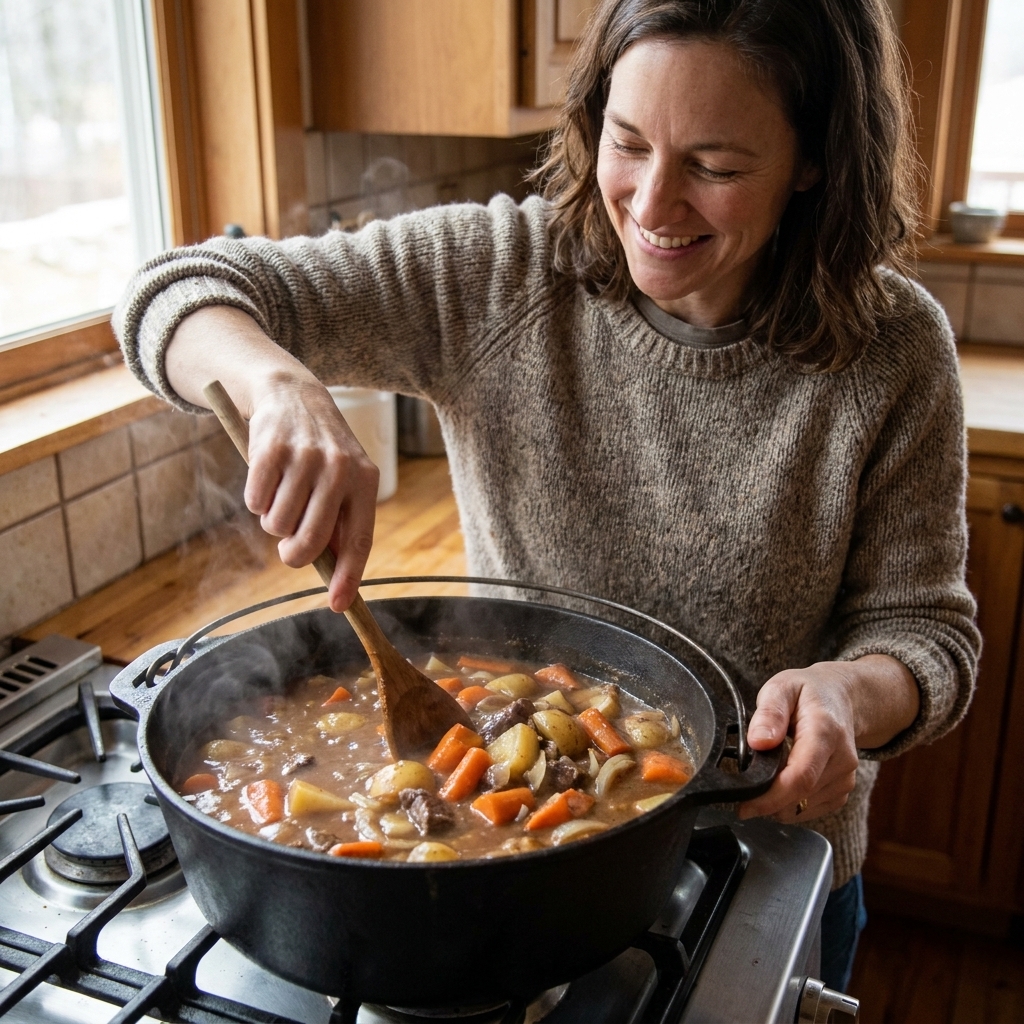
Venison vs elk vs bison
All three are usually leaner than typical grocery store beef, and leanness is both the superpower and the challenge. Lean meat tastes clean and bold, but it can dry out or go tough if cooked like a fatty chuck roast.
- Venison: Big flavor, very lean, and the most likely to read “gamey” if there is remaining silver skin, waxy fat, or if the cut is overcooked. Best in long-simmered stews, chilis, and braises where you add back richness.
- Elk: Often milder than venison, still lean, and beautifully beef-like when treated gently. Fantastic in chili, especially when paired with smoky spices and a little added fat.
- Bison: The most approachable for folks new to game. It is lean but has a naturally sweet, mineral richness. Ground bison makes an excellent chili, but it needs careful browning and enough moisture to stay tender.
Clara’s rule: With wild game, you are either cooking fast and hot (for tender cuts) or low and slow (for working cuts like shoulder, neck, and shank). The in-between is where meat gets chewy.
Best cuts for stew and chili
You can make stew with almost any cut, but the path to tender is shorter when you choose wisely.
Best cuts for stew
- Shoulder, neck, shank: Collagen-rich, perfect for long braises. These are the cuts that turn silky when given time.
- Hindquarter roasts (round equivalents): Lean and can be a little firm. They work, but they need extra care: smaller cubes, a gentle simmer, and enough added fat and liquid.
Best cuts for chili
- Ground venison, elk, or bison: Easy and weeknight-friendly. Add a bit of fat, brown well, and simmer long enough for flavor to marry.
- Small cubes from shoulder or stew trim: Great for chili verde style or chunkier Texas-inspired pots.
Save the backstrap and tenderloin for quick cooking. They are too precious and too lean for a long simmer.
What causes “gamey” flavor
Let’s talk about the “gamey” elephant in the room. Sometimes that stronger flavor is simply the nature of the animal. Often, though, it is intensified by surface flavors that need attention, leftover silver skin, and certain fats. It can also be influenced by things you cannot fully control, like the animal’s diet (sage, brush, acorns), age, sex and rut, and how quickly it was cooled and cared for in the field.
Trim thoroughly
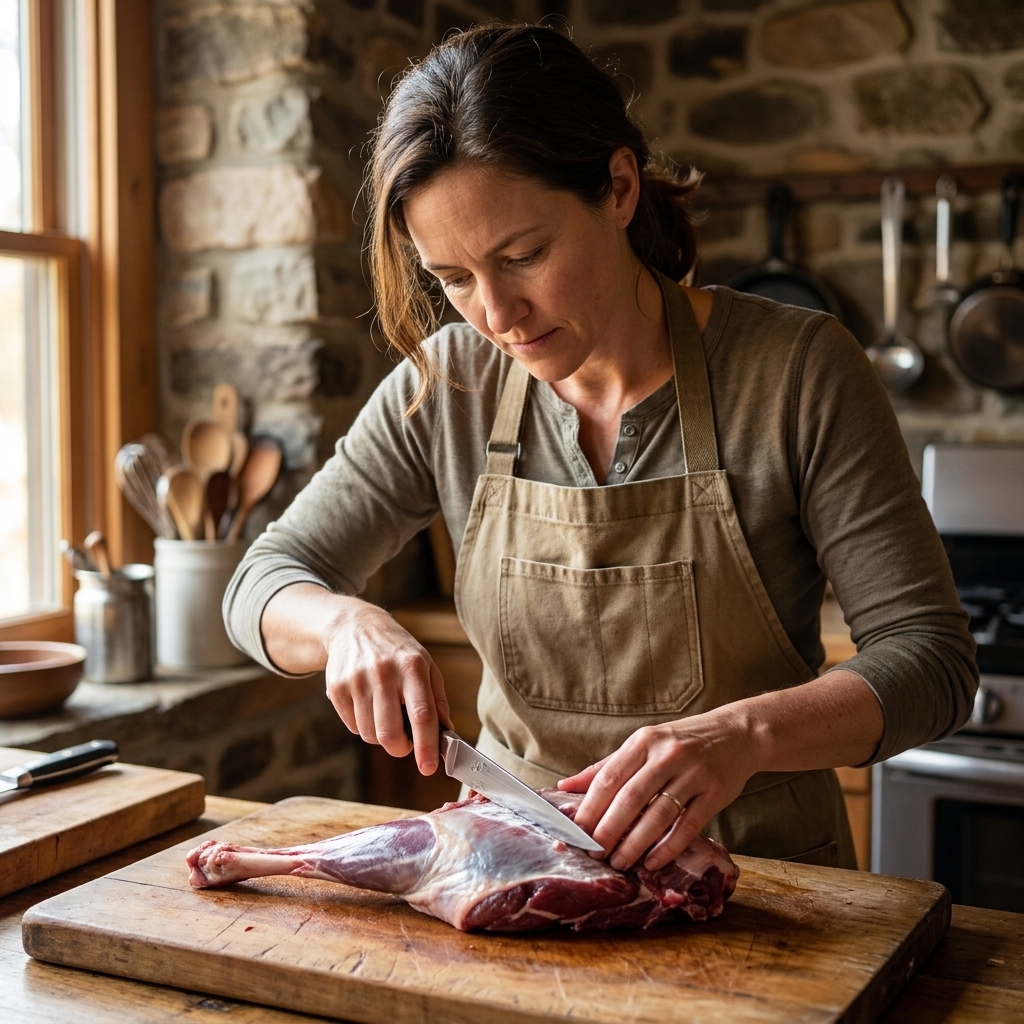
The most reliable fix for unpleasant wild flavor is trimming with intention.
- Remove all silver skin: That shiny membrane does not tenderize in stew. It stays chewy and can hold onto stronger flavors.
- Trim hard fat and tallow: Deer fat in particular can taste waxy. Even in a stew, it can leave an aftertaste. Trim it off and add your own fat back in later.
- Cut away bruised or dark edges: If any exterior looks oxidized or has freezer burn, trim it.
Marinades and soaks
Marinating is not mandatory for stew, but it can help mellow flavor and improve texture, especially for lean hindquarter cuts.
My favorite options
- Buttermilk soak (4 to 12 hours): A classic for a reason. Buttermilk gently tenderizes and softens strong flavors. Rinse, then pat dry well before you brown.
- Red wine and aromatics (4 to 24 hours): Red wine, onion, garlic, bay leaf, and a few peppercorns is my go-to for a French-style game stew. Drain and dry the meat well so it sears instead of steams.
- Salt-forward dry brine (8 to 24 hours): Salt the meat cubes lightly and refrigerate uncovered. This seasons deeply and helps retain moisture.
Avoid: Very acidic marinades (lots of straight vinegar or citrus) for long soaks, especially with small cubes. They can make the surface mealy. If you want tang, add it to the pot later instead.
Tenderizing basics
Wild game becomes tender through the same basic methods as beef, you just have a smaller margin for error because it is lean.
Mechanical tenderizing
- Cut smaller: For lean roasts, cut 3/4-inch cubes instead of big 1 1/2-inch chunks. Smaller pieces get tender sooner.
- Light pounding (optional): For thin stew strips or chili meat, a gentle pound can help. Do not mash it, just relax the fibers.
Time and temperature
For stew meat, keep the pot at a bare simmer. If it is boiling hard, lean meat tightens and sheds moisture.
- Oven braise: 300 to 325°F is my sweet spot for steady, gentle cooking.
- Stovetop: Look for lazy bubbles. If you see aggressive rolling, turn it down.
Reality check: If your stew is chewy at 60 to 90 minutes, it usually needs more time at a gentle simmer, not higher heat.
Flavor blueprint
If you can build flavor for beef stew, you can build flavor for venison. The main difference is that with game, we are usually building richness back in on purpose.
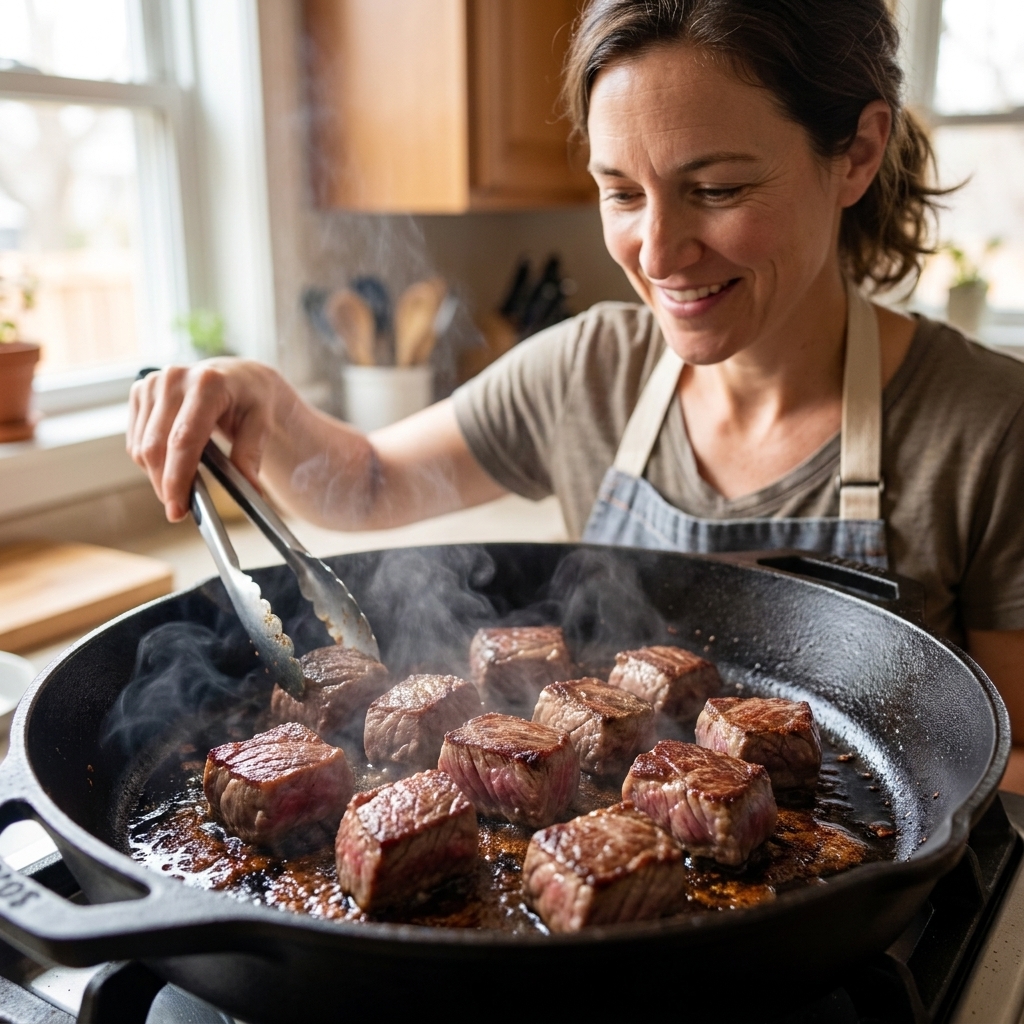
Step 1: Brown the meat
- Dry the meat well. Moisture is the enemy of a good sear.
- Brown in batches. Crowding cools the pot.
- Use a heavy pot, and let it get hot before the first batch goes in.
That browned fond on the bottom is not just “nice to have.” It is the backbone of a stew that tastes like it cooked all day.
Step 2: Add fat, but do not overdo it
Because the meat is lean, your stew benefits from added richness. You do not need a lot.
- Easy guideline: For 2 to 3 pounds of stew meat, start with 1 to 2 tablespoons oil, or 2 to 4 ounces diced bacon or pancetta.
- Good options: bacon, pancetta, salt pork, beef tallow, butter, or neutral oil plus a finishing swirl of butter.
- For chili: a little pork chorizo mixed into ground venison is magic, or simply add a tablespoon or two of oil before browning.
Step 3: Build the base
Onion, carrot, and celery are classic, but do not be afraid to lean into stronger flavors that match game.
- Onion and garlic
- Mushrooms for earthy depth
- Roasted poblano or chipotle for smoky chili flavor
- Tomato paste browned in the pot until brick red
Step 4: Deglaze
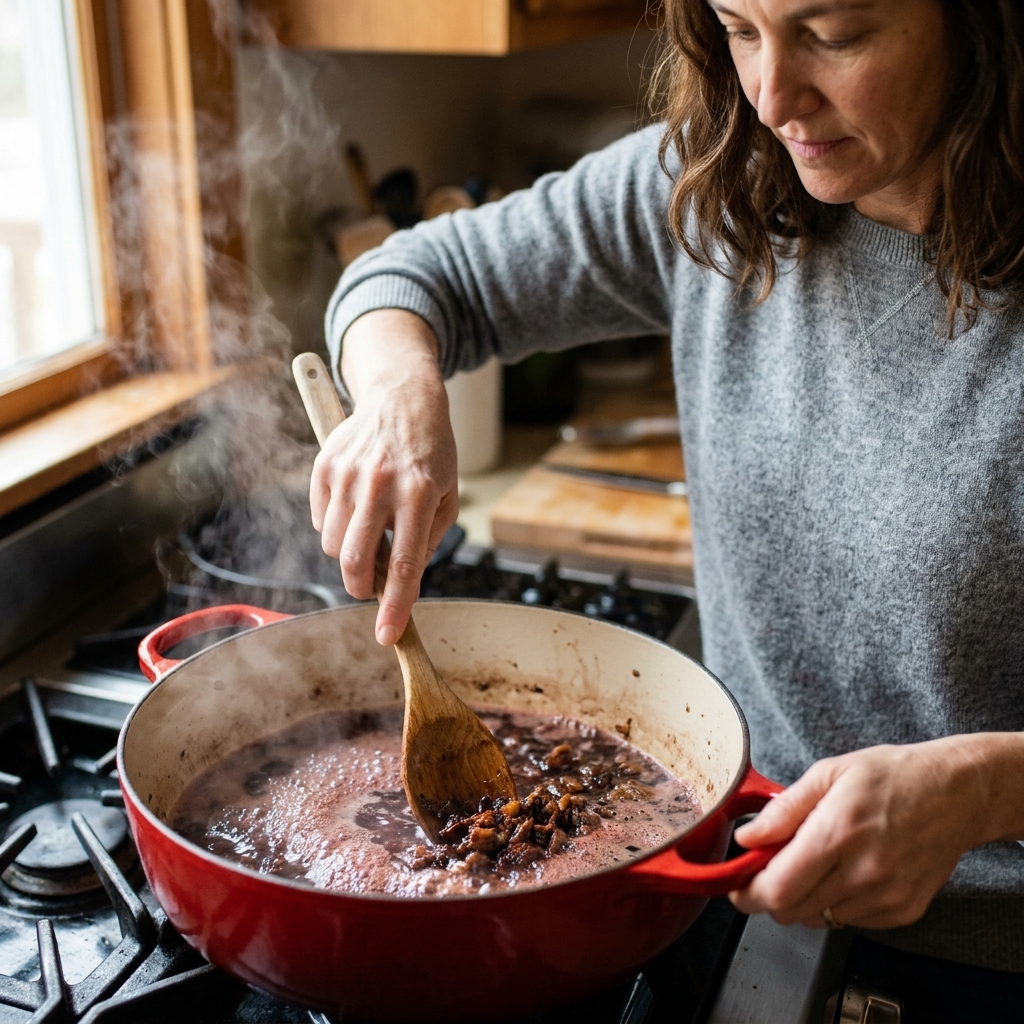
Use wine, beer, cider, or broth, then scrape up every browned bit. For chili, a splash of beer or strong coffee can make the whole pot taste rounder and less sharp.
Seasoning tips
The right seasoning does two jobs: it complements the natural flavor and it adds aromatic lift so the stew tastes complex, not heavy.
For venison and elk stews
- Herbs: rosemary, thyme, bay leaf, sage
- Alliums: onion, garlic, leeks
- Warm spice (small amounts): juniper berries, allspice, black pepper
- Umami boosters: Worcestershire, soy sauce, anchovy paste, or a parmesan rind
For bison or elk chili
- Chiles: ancho, guajillo, chipotle, smoked paprika
- Spices: cumin, coriander, Mexican oregano
- Depth: cocoa powder (1 to 2 teaspoons), coffee (a splash), or a spoonful of molasses
Salt timing tip: Salt in layers. Season the meat lightly, season the vegetables, then adjust at the end. A long simmer can mute seasoning, so final tasting matters.
Methods that work well
Dutch oven
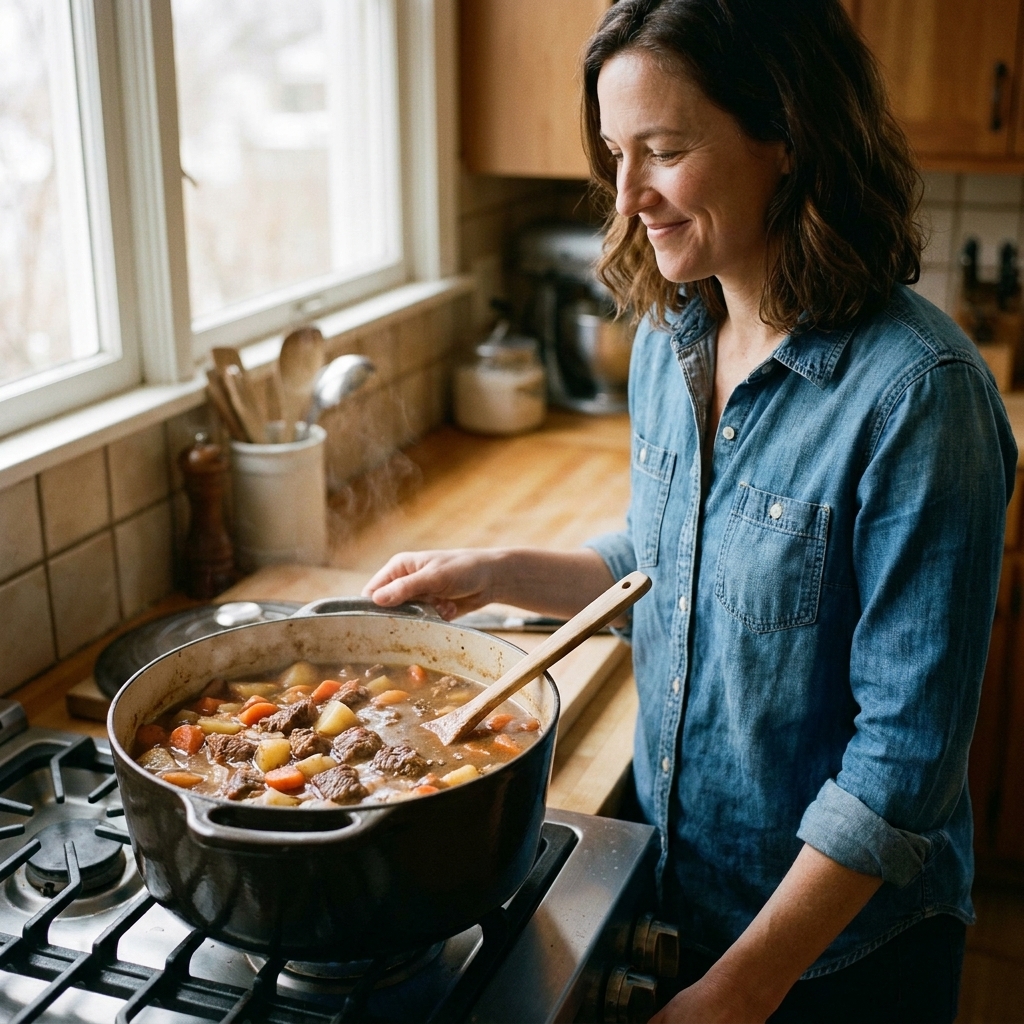
Sear, build the base, then braise low and slow. The heavy lid and even heat are perfect for wild game.
- Typical stew timing: 2 to 3 1/2 hours at a low simmer, depending on cut and cube size
- When to add potatoes: last 45 to 60 minutes so they do not dissolve
Slow cooker
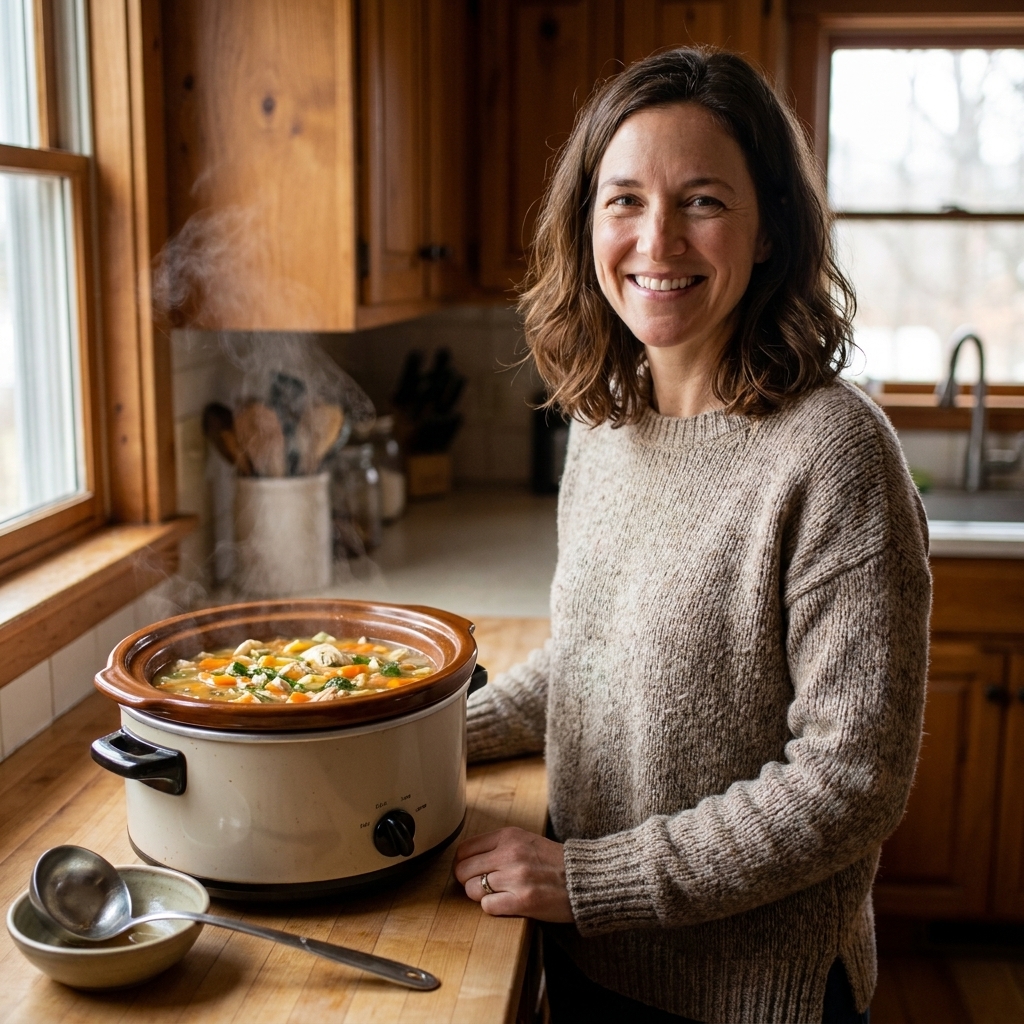
Great for busy days, but you still want to brown first if you can.
- Brown meat and aromatics on the stovetop, then transfer.
- Cook on low 7 to 9 hours for shoulder, shank, or neck cuts.
- Add delicate veggies late if you want them intact.
Pressure cooker
Wonderful for tougher cuts, but timing varies a lot by cut and cube size. Very lean, very small cubes can go from tender to dry or shredded quickly.
- Sear first, then pressure cook in the ballpark of 20 to 40 minutes for cubes, longer for shanks, then check for fork-tender texture.
- Let pressure release naturally when possible for more tender meat.
Food safety basics
Wild game is dinner, not a dare. A few simple habits make a big difference.
- Thaw in the fridge: Give it time. Avoid thawing at room temperature.
- Keep it cold while you prep: Trim, cube, then refrigerate until you are ready to sear.
- Cook ground game fully: Treat ground venison, elk, and bison like any ground meat. In chili, that means browning thoroughly and simmering until fully cooked through.
Fixes for common problems
“My stew tastes gamey.”
- Add acidity at the end: a tablespoon of red wine vinegar, cider vinegar, or lemon.
- Add sweetness and roundness: caramelized onions, a grated carrot, or a teaspoon of maple syrup in a big pot.
- Add smoke and spice: smoked paprika or chipotle can pull flavors into a warmer direction.
- Next time, trim more aggressively. Silver skin and waxy fat are frequent culprits.
“My meat is tough.”
- Lower the heat to a gentle simmer.
- Keep cooking. Collagen-rich cuts need time.
- If you used a lean round roast, cut smaller next time and add a little more fat to the pot.
“My chili is greasy or heavy.”
- Skim excess fat, then brighten with lime or vinegar.
- Stir in beans, crushed tomatoes, or roasted squash to lighten texture without losing body.
My pot formulas
These are not strict recipes. They are the proportions and flavor directions I reach for when I want a pot that behaves.
Venison stew
- 2 to 3 pounds venison shoulder or stew trim, well-trimmed
- 1 to 2 tablespoons oil, or 2 to 4 ounces diced bacon
- 1 large onion, 2 carrots, 2 celery ribs
- 2 tablespoons tomato paste
- 1 cup red wine (or dark beer)
- 4 cups beef or venison broth
- Thyme, bay leaf, black pepper
- Potatoes or parsnips added near the end
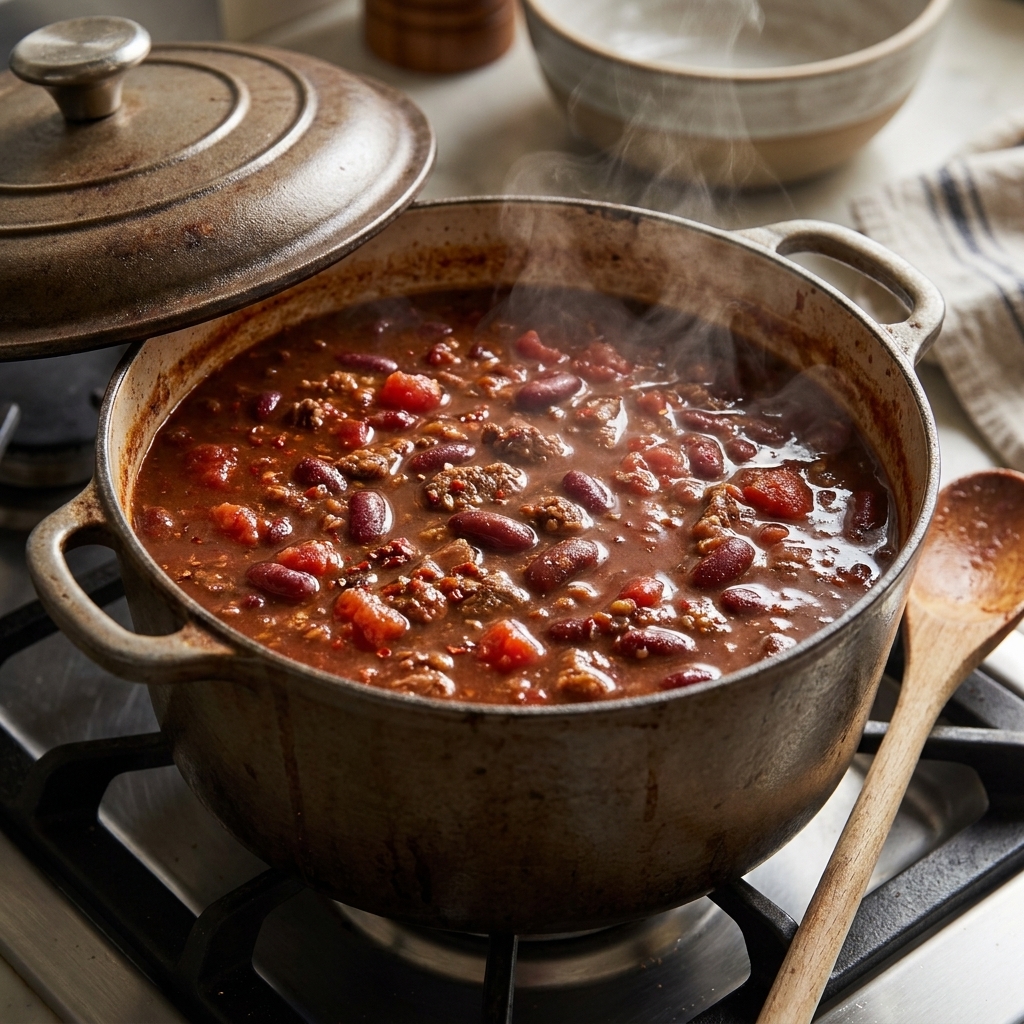
Elk chili
- 2 pounds ground elk (or half elk, half pork)
- Onion, garlic, and a roasted poblano
- Chili powder plus cumin and smoked paprika
- Crushed tomatoes, broth, and beans (optional)
- Finish with lime and chopped cilantro
Bison chili
- 2 pounds ground bison
- Brown well, then add onions and garlic
- Ancho and chipotle for smoke
- Tomatoes and beef broth
- Optional: a spoonful of cocoa powder for depth
Leftovers
Wild game stews and chilis are my favorite next-day meals. The flavors settle in, the broth thickens slightly, and everything tastes more intentional.
- Stew to pot pie: Thicken leftover stew with a little flour slurry, then bake under puff pastry or biscuit dough.
- Chili to stuffed sweet potatoes: Split baked sweet potatoes, pile on chili, add yogurt or sour cream, and a squeeze of lime.
- Stew to soup: Add extra broth and a handful of barley or rice. Instant brand-new dinner.
Storage tips
- Cool quickly, then refrigerate up to 4 days.
- Freeze for longer storage, with best quality within about 3 months.
- If potatoes get grainy after freezing, swap them for parsnips or turnips next time.
Quick FAQ
Do I need to soak venison in milk?
No, but it can help if the flavor is strong or the cut is lean and you want a gentler finish. Buttermilk is more effective than regular milk.
What is the best way to add richness without making it greasy?
Add fat in small amounts early (bacon, oil), then finish with a tablespoon of butter or a drizzle of good olive oil off heat. That last touch reads as luxurious, not oily.
Can I swap wild game for beef in my usual stew recipe?
Usually yes, with a few tweaks: trim aggressively, add back some fat, and keep the simmer gentle so lean cubes do not tighten up.
What if I only have ground venison?
Make chili. Brown it well, add onions and spices, then simmer with tomatoes and broth. If it is very lean, add a tablespoon of oil or mix in a little ground pork.
Final cozy nudge
If you are new to wild game, start with chili. It is forgiving, it welcomes bold spices, and it makes the whole house smell like you have been cooking all day. Once you have that confidence, a slow-simmered venison stew is one of the most satisfying pots you can pull off on a winter weekend.
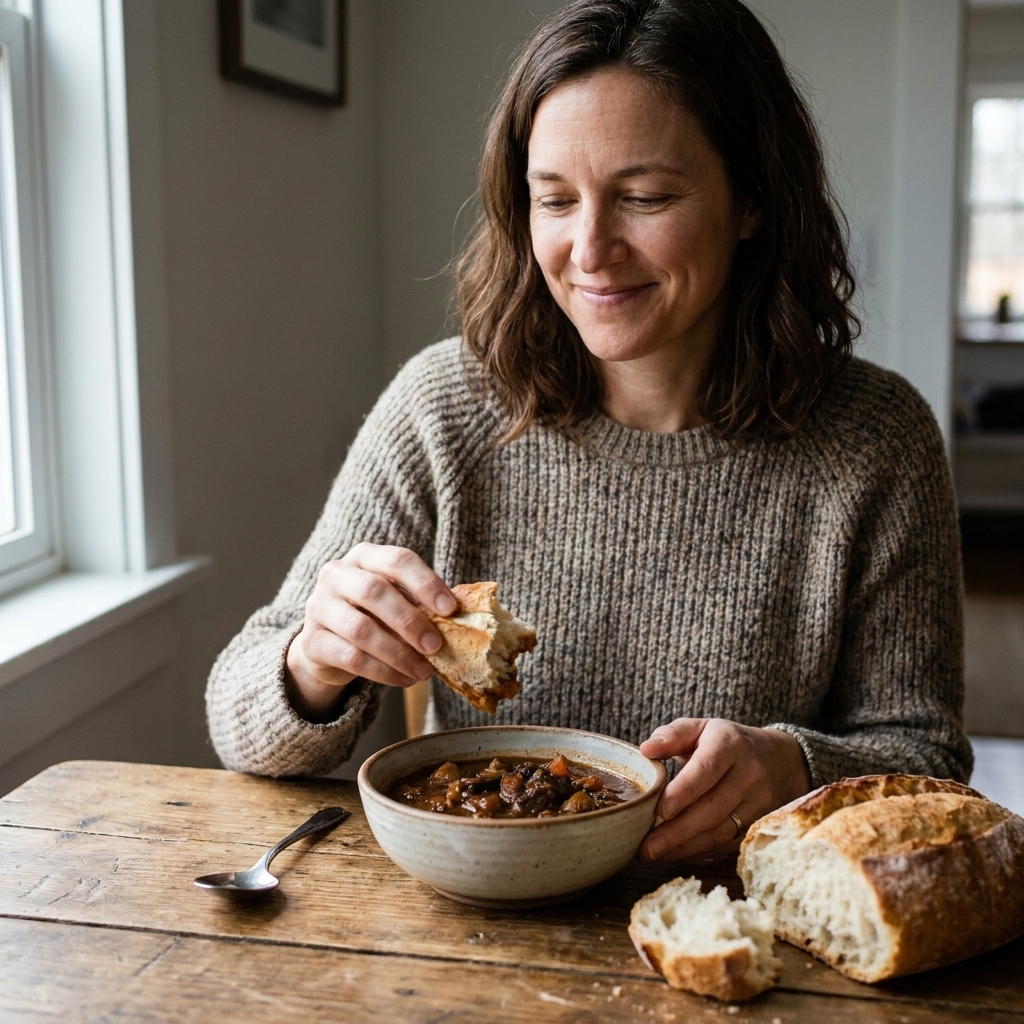
And please, do not forget the bread. A hearty stew deserves something crusty for dunking.