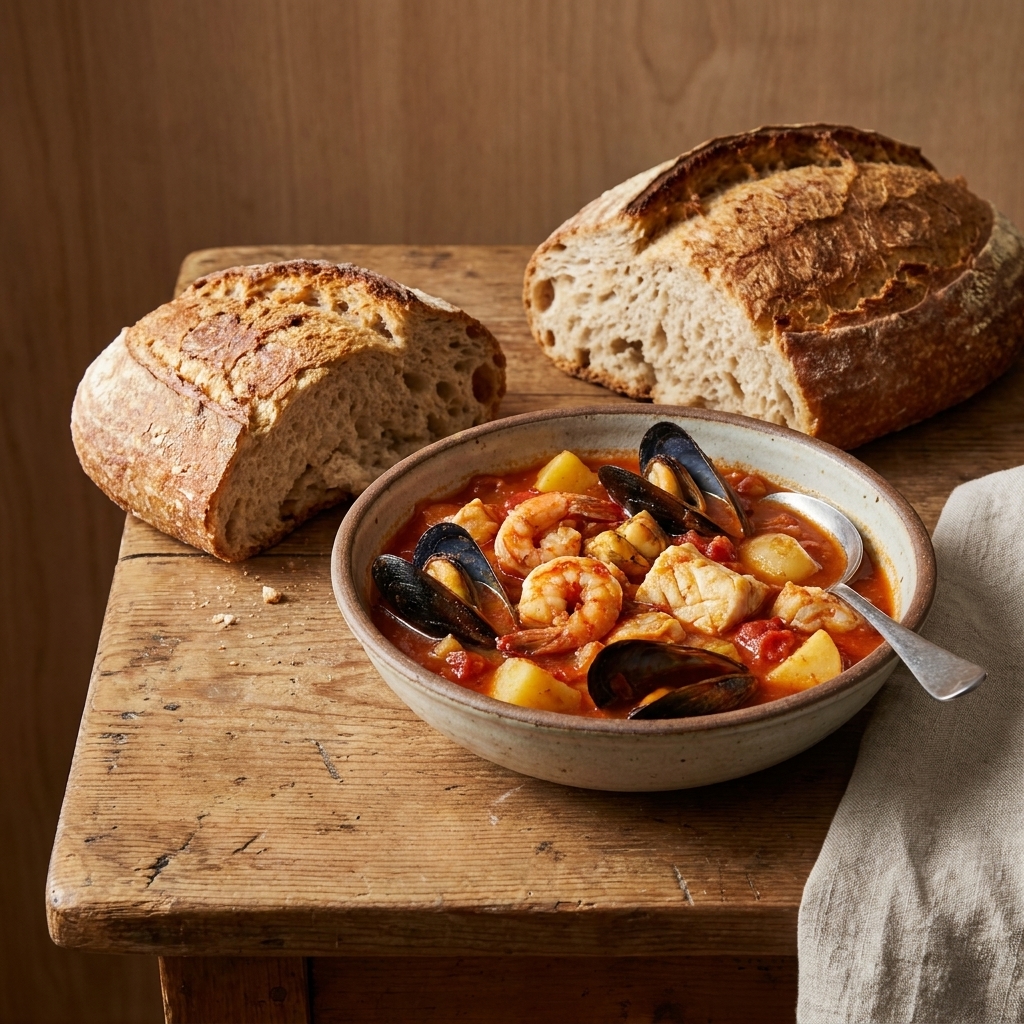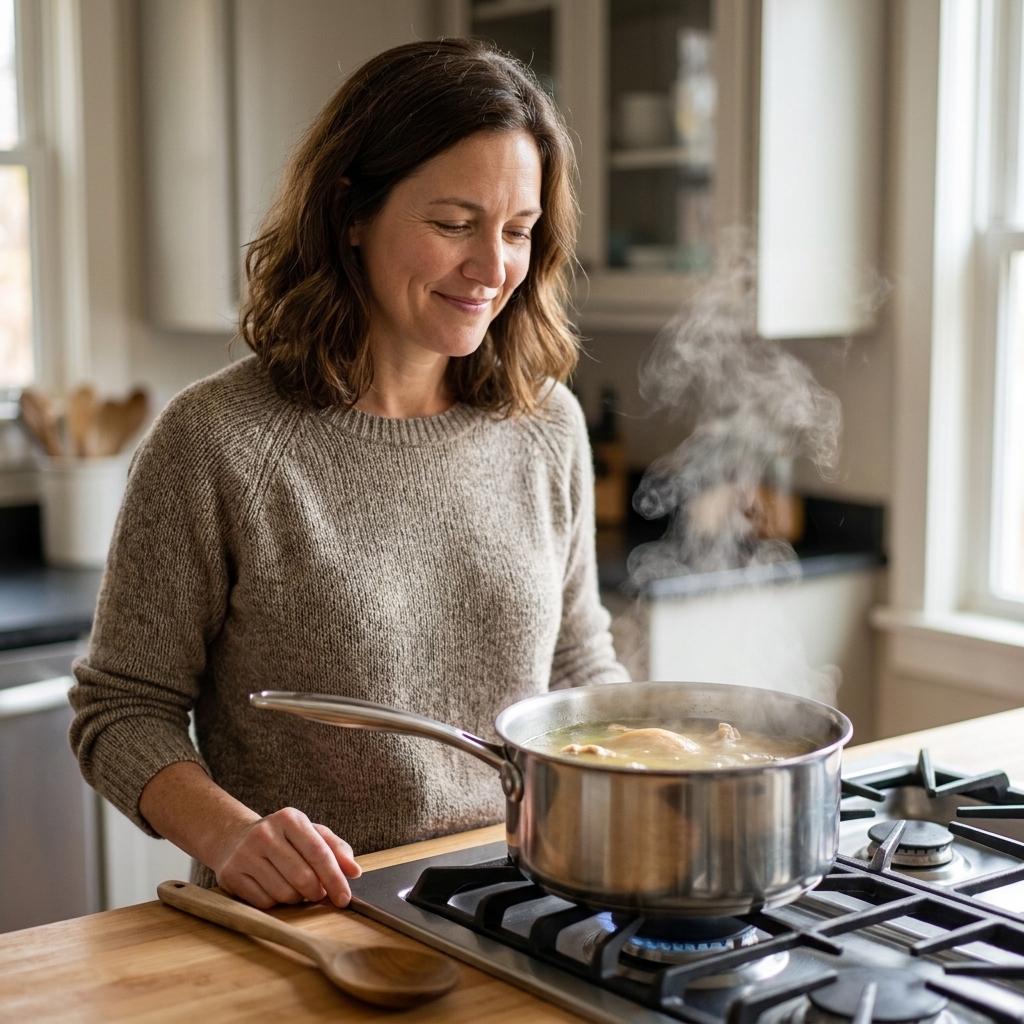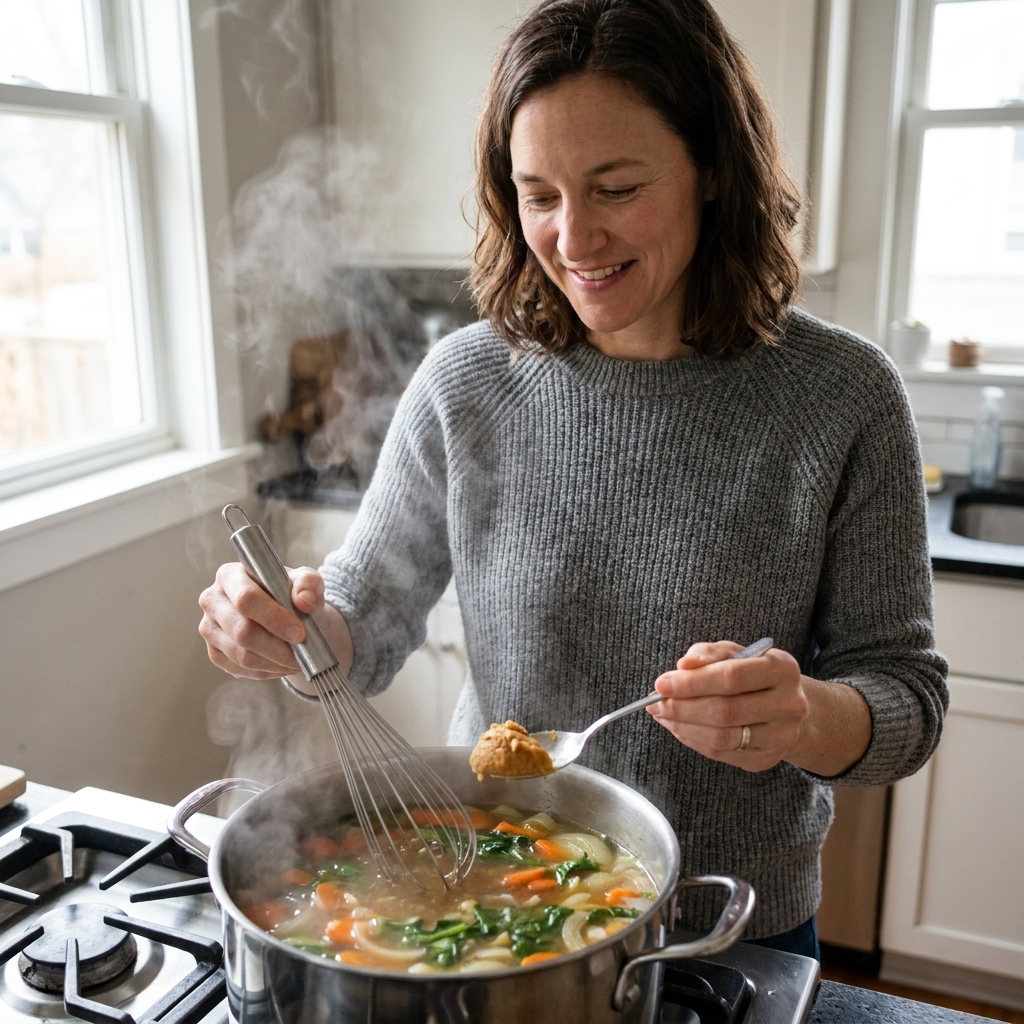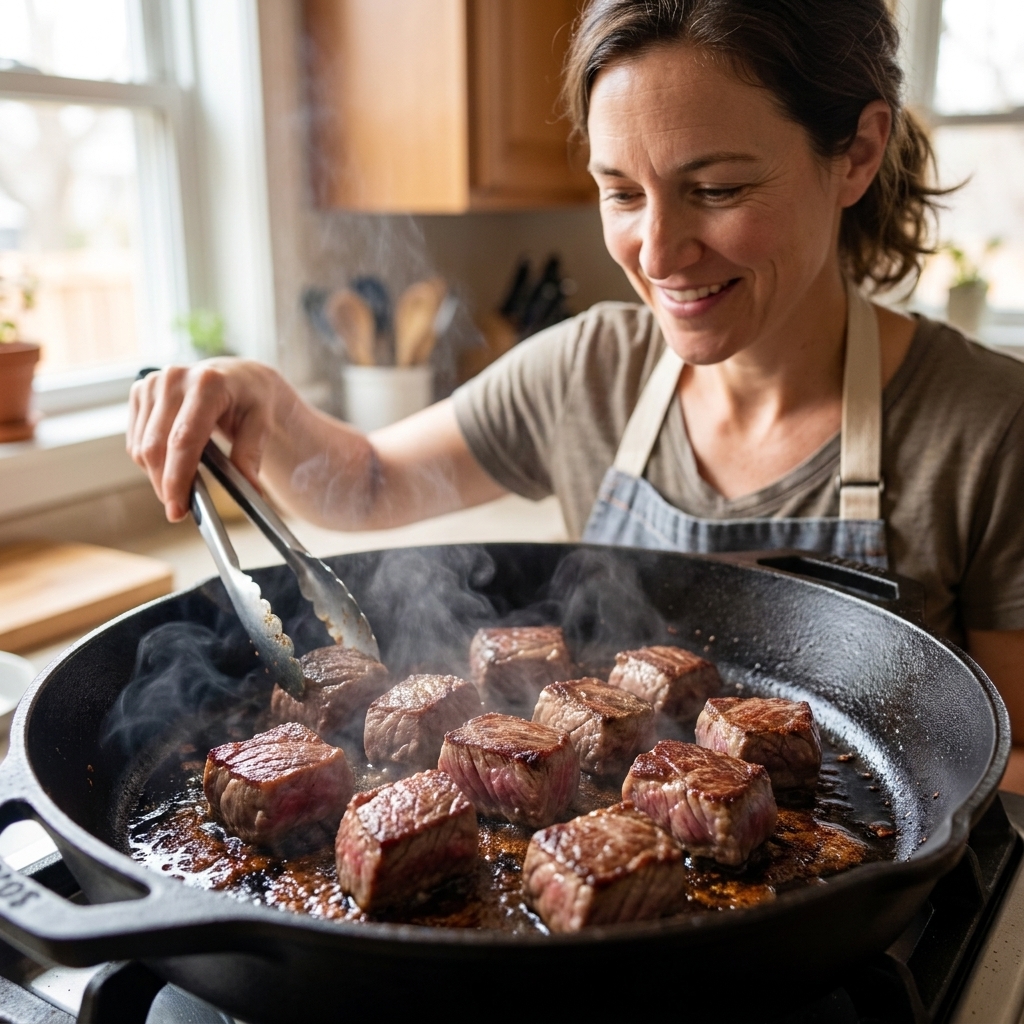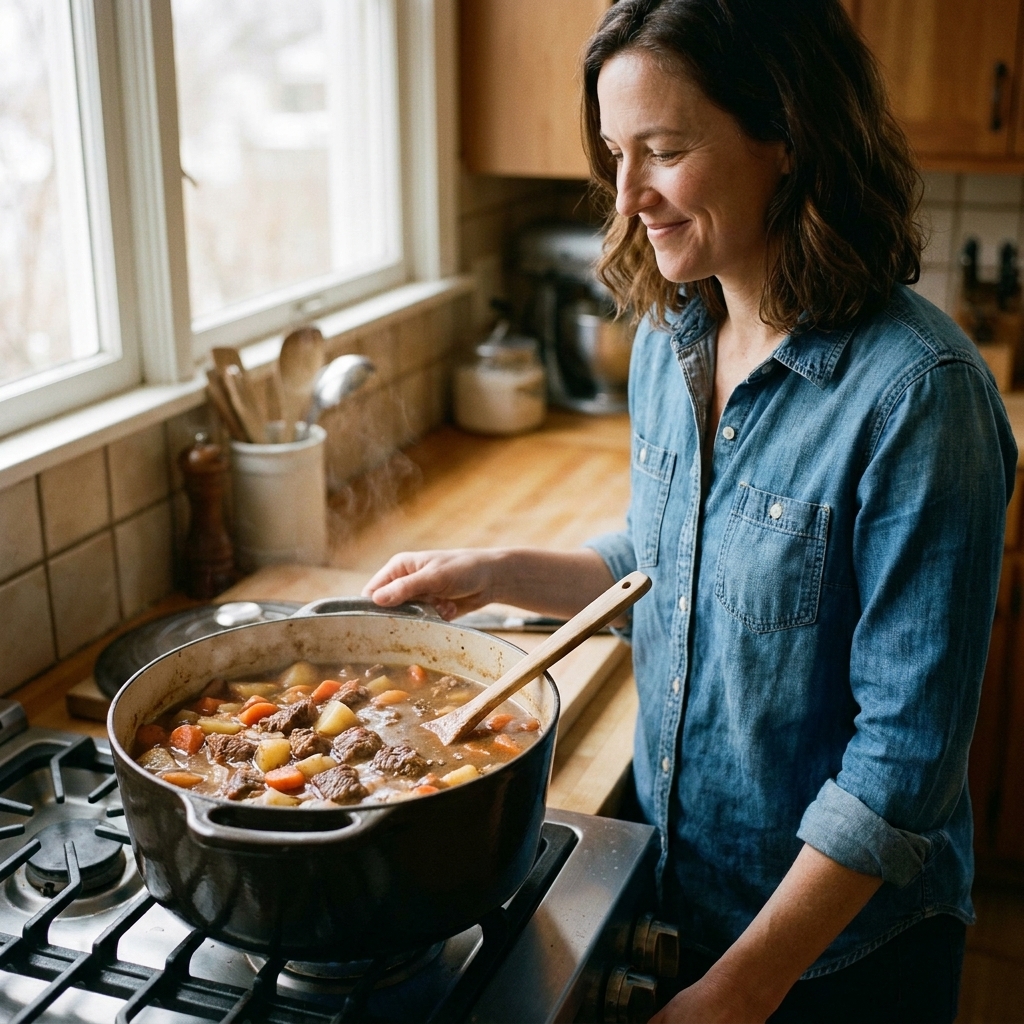
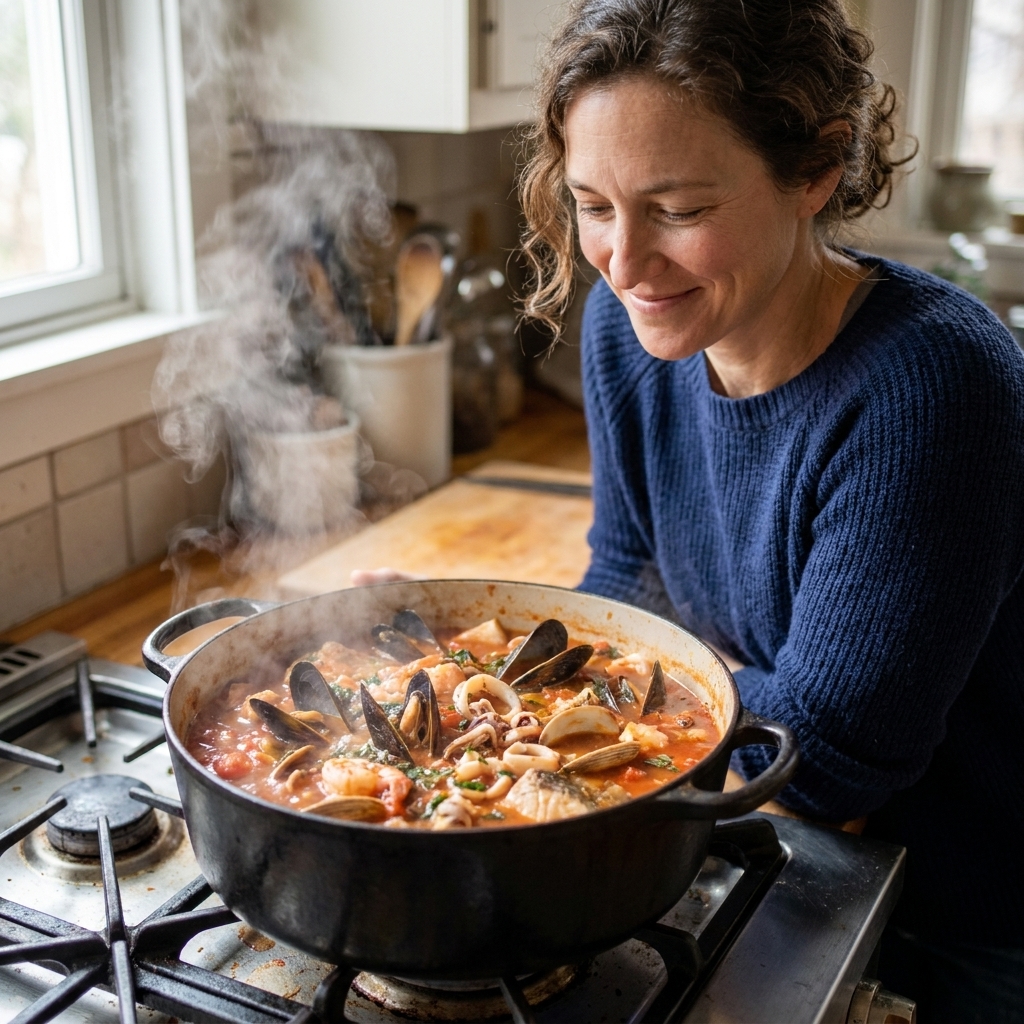
There is something wildly comforting about a big pot of seafood stew burbling away on the stove, the whole kitchen smelling like tomatoes, garlic, and the ocean in the best possible way. Cioppino and bouillabaisse look fancy, but the truth is they are both just smart, hospitable cooking: build a flavorful base, simmer a rich broth, then cook the seafood gently right at the end so it stays sweet and tender.
Let’s walk through the method I use at home, plus the exact fish and shellfish I reach for when I want a stew that can handle a real simmer without turning to confetti.
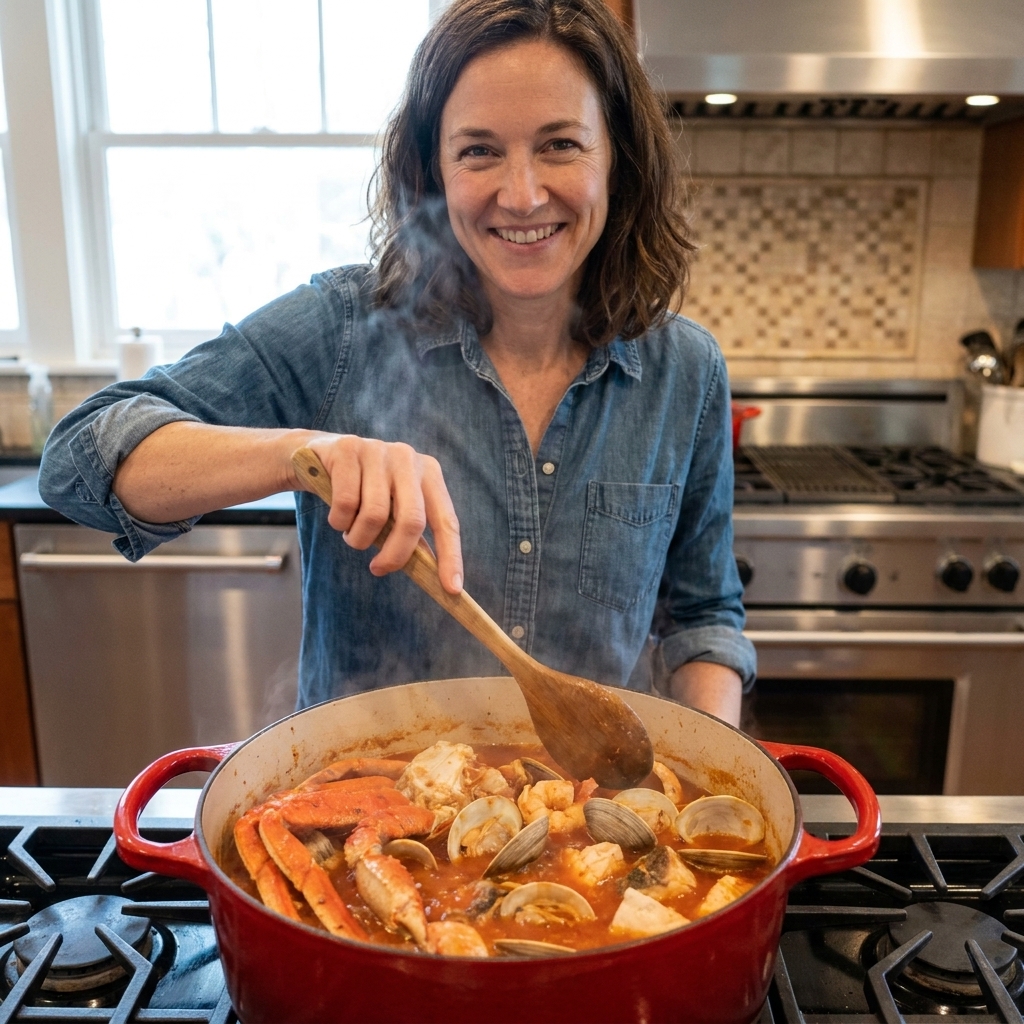
Cioppino vs. bouillabaisse
Both stews rely on layered flavor and a mix of seafood, but their personalities are different.
- Cioppino: Italian-American, usually tomato-forward with wine, garlic, and herbs. It is bold, cozy, and incredibly friendly to pantry shortcuts.
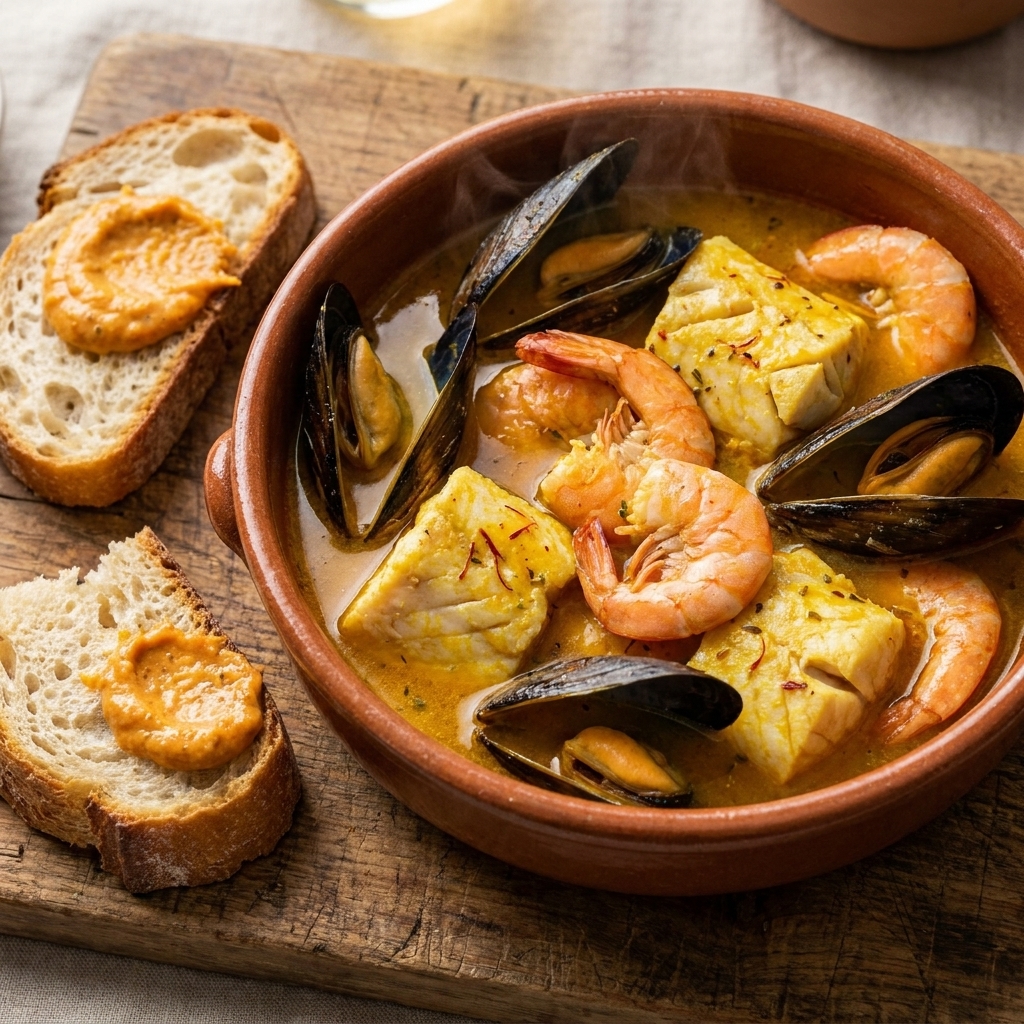
- Bouillabaisse: Provençal, often built on fennel, leeks, orange zest, saffron, and a more aromatic fish stock. In classic Marseille style, it is also defined by the fish-first approach (the fish helps make the broth) and service with rouille.
At-home reality: For a weeknight pot that eats like stew, the technique is mostly the same: build the base, simmer the broth until it tastes finished, then add seafood in stages so nothing gets overcooked. If you want to go fully traditional with bouillabaisse, you can take the extra step of simmering bony fish to build the broth, then strain and finish with the nicer pieces.
Seafood that holds up
Here is the big secret: the best seafood stew is not about simmering seafood forever. It is about simmering the broth until it tastes like something you want to drink from a mug, then slipping in seafood in stages.
Best fish for stews
- Halibut: Big, clean flakes that stay intact. Add near the end.
- Cod (true cod or Pacific cod): Mild and classic. It can flake if overcooked, so use larger chunks and gentle heat.
- Monkfish: The seafood-stew workhorse. It stays meaty and almost lobster-like, even with a little extra simmer time.
- Sea bass (black sea bass): Tender but sturdy, with great texture in broth.
- Red snapper: Holds together nicely, especially in bouillabaisse-style aromatics.
- Mahi-mahi: Firm, lean, and reliable when cut into larger pieces.
- Salmon: Not traditional for every stew, but it can be delicious. Use thick chunks and add very late so it stays silky.
Fish I avoid
- Tilapia, sole, flounder: Too delicate. They tend to shred and go cottony.
- Tuna: Can turn dry and chalky in simmering liquid.
Shellfish that shine
- Clams: Littlenecks or Manila clams are my go-to. They add briny depth and tell you when they are done.
- Mussels: Fast-cooking and brothy. Scrub well and debeard.
- Shrimp: Use large shrimp, and add at the very end. Overcooked shrimp is the heartbreak of seafood stew.
- Scallops: Optional, but lovely. Add last and barely poach.
- Crab: Dungeness is classic in cioppino. Use cracked legs or clusters for big, dramatic bowls.
- Lobster: A splurge, but incredible. Add in the final minutes.
Quick buying tip: Frozen-at-sea fish is often a smarter choice than fish that has been sitting in a display case for a while (and plenty of “fresh” fish was previously frozen anyway). Thaw overnight in the fridge, pat dry, then cut into big stew-friendly chunks.
Two small but mighty prep details: Run your fingers along fillets for pin bones and pull them with tweezers. And if you are working with skin-on fish, either remove the skin first or plan to lift it off after cooking so it does not slip loose into the broth.
Step by step method
Think of this like building chili or beef stew, just faster and gentler at the end.
Step 1: Build the base
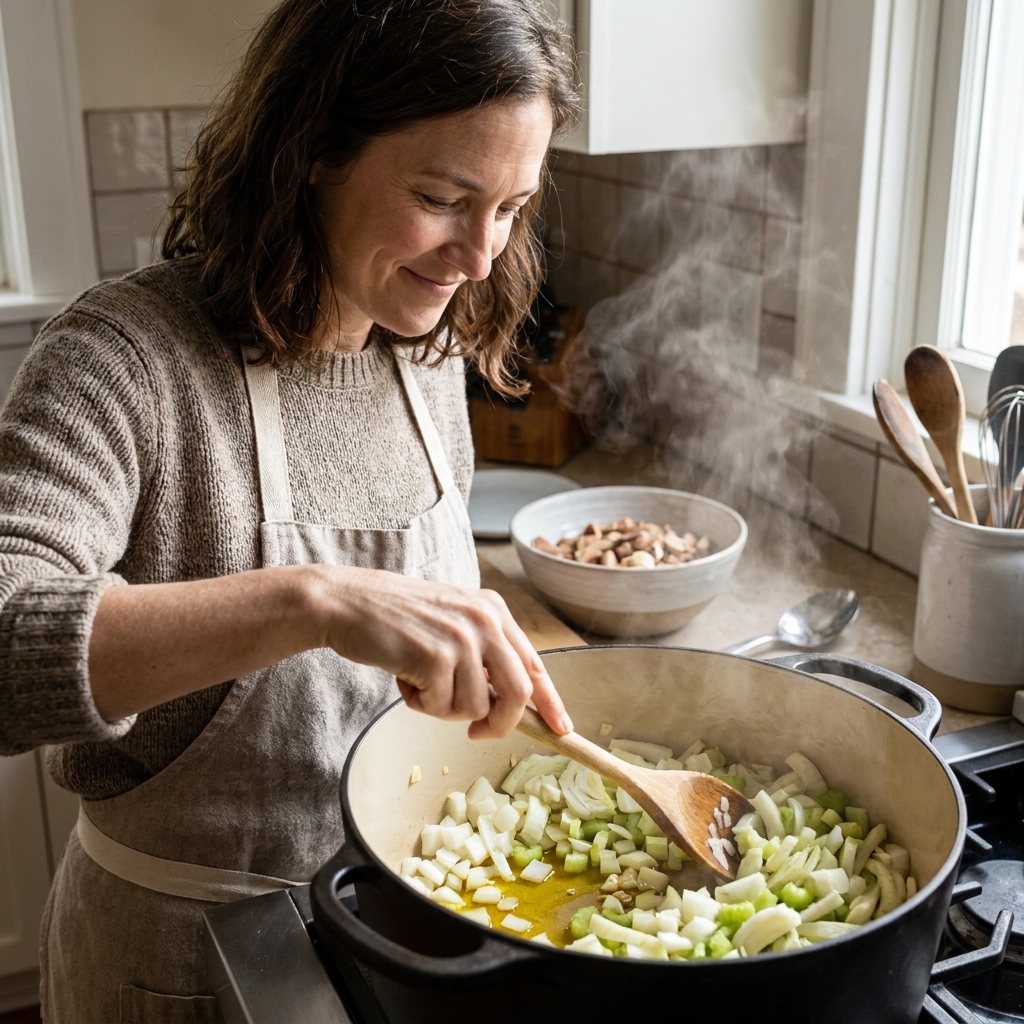
In a Dutch oven, warm olive oil over medium heat. Add your aromatic vegetables and let them soften slowly. You want tenderness and sweetness. Avoid scorching garlic or spices, which is where bitterness sneaks in.
- Cioppino base: onion, fennel (optional but wonderful), celery, garlic, red pepper flakes
- Bouillabaisse base: leeks, fennel, onion, garlic, orange zest, saffron (if using)
My habit: I add a pinch of salt early. It helps the vegetables give up their water and cook evenly.
Step 2: Build the broth
Once the aromatics are soft and fragrant, it is time to make the pot taste like itself.
- Add tomato paste (especially for cioppino) and cook it for 1 to 2 minutes to take the raw edge off.
- Deglaze with dry white wine. Scrape up any flavorful bits from the bottom of the pot.
- Add crushed tomatoes (cioppino) or a smaller amount plus more stock (many bouillabaisse styles).
- Pour in seafood stock or fish stock. Clam juice can help in a pinch, but go easy.
- Add herbs: bay leaf, thyme, parsley stems, or a strip of lemon peel.
Bring to a gentle simmer and let it cook uncovered until the broth tastes rich and cohesive. If it tastes flat, it usually needs one of three things: more salt, more simmer time, or a bright finish (lemon or vinegar) later on.
About stock: If you have time, homemade shrimp stock from shells is pure magic. If not, a good boxed seafood stock works. Avoid strongly smoked stocks here, they can bulldoze the delicate sweetness of seafood.
Step 3: Add seafood in stages
This is where hearty seafood stews are won or lost. You are not boiling seafood. You are gently cooking it in hot broth.
Quick shellfish safety check: Buy live clams and mussels, keep them cold, and store them in the fridge in a breathable bowl (not sealed in water). Discard any with cracked shells, and discard any that are wide open and do not close when tapped.
- Crab or lobster pieces go in first (if using), since they are thicker and mostly about warming through and perfuming the broth.
- Firm fish goes next, cut into large chunks, usually 1 1/2 to 2 inches.
- Clams and mussels go in after the fish. Cover the pot so they steam open. Discard any that remain tightly closed after cooking.
- Shrimp and scallops go in last. Turn the heat down and cook just until opaque.
Timing cue: From the moment seafood goes in, you are usually only 6 to 10 minutes away from dinner.
Step 4: Finish and serve
Seafood stew loves a bright, fresh finish. Pick one or two.
- A squeeze of lemon
- Chopped parsley or basil
- A drizzle of good olive oil
- A pinch of chili flakes
- For bouillabaisse vibes, a spoonful of rouille or garlicky mayo on toast
Then serve immediately with bread. Always bread. A seafood stew without something to mop the bowl feels like an unfinished sentence.
Choosing fish for broth
If you want your fish to stay in gorgeous chunks, these rules will keep you out of trouble.
- Choose firm, larger-flake fish. Monkfish, halibut, sea bass, snapper, mahi-mahi all behave well.
- Cut it bigger than you think. Small cubes overcook fast and break apart when you stir.
- Keep the broth at a gentle simmer. A rolling boil is great for pasta, not for fish.
- Stir less once fish is in. Stir the broth before adding fish, then switch to gently shaking the pot or nudging pieces around the edges.
A simple formula
When I am cooking from what I can find at the market, I use this ratio as a starting point for 4 to 6 servings.
- Broth base: 2 to 3 tablespoons olive oil, 1 onion, 3 to 5 cloves garlic, 1 fennel bulb or 2 celery stalks, 2 tablespoons tomato paste, 1 cup white wine, 1 (28-ounce) can crushed tomatoes, 4 cups seafood stock
- Seafood: about 2 to 2 1/2 pounds total seafood (a mix of fish and shellfish)
- Good mix: 1 pound firm fish + 1/2 pound shrimp + 1 pound clams or mussels
- Big night mix: add 1 to 2 crab clusters or a small lobster tail, split
Make the broth first, taste until you love it, then add seafood in stages and serve right away.
Common problems
My stew tastes watery
Simmer the broth uncovered longer before adding seafood. Tomato-based broths especially need time to concentrate. You can also whisk in a tablespoon of tomato paste or reduce the broth by 10 minutes.
My fish fell apart
It was either too delicate, cut too small, boiled too hard, or cooked too long. Next time: choose a firmer fish, cut larger pieces, and add it later.
My stew tastes fishy
That usually points to seafood that was not in great shape, or a stock with an off flavor. Brighten with lemon, add fresh herbs, and keep simmering time short once seafood goes in. For next time, look for frozen-at-sea fish or buy from a counter you trust.
My shellfish are gritty
Clams and mussels need a purge. Soak them for 20 to 30 minutes in cold salted water (aim for seawater-like salinity, or follow your fishmonger’s guidance), then lift them out so any sand stays behind. Rinse and scrub the shells before cooking.
Leftovers
I love “cook once, eat twice,” but seafood is the one place I keep it a little more cautious.
- Best plan: Store leftover broth separately from any uncooked seafood if you are planning ahead. Reheat the broth, then cook seafood fresh the next night.
- If it is already cooked: Refrigerate promptly and eat within 1 day for best texture. Reheat gently, just until hot. Avoid boiling, which toughens shrimp and makes fish crumble.
My favorite leftover move: Ladle the broth over toasted bread, then top with whatever seafood is left and a squeeze of lemon. It feels intentional, not like a rerun.
Quick FAQ
Can I make cioppino without wine?
Yes. Swap the wine for seafood stock plus 1 to 2 teaspoons lemon juice or a splash of white wine vinegar added at the end for brightness.
Should I use skin-on fish?
I prefer skinless for stews, just for easier eating. If your fish has skin, you can keep it on and remove it after cooking, but it can detach and float around the pot.
Do I need saffron for bouillabaisse?
No, but it adds that signature aroma. If you skip it, lean into fennel, orange zest, good stock, and fresh herbs so the stew still feels special.
What bread is best?
Crusty sourdough, a chewy baguette, or any bakery loaf with a real crust. If it can survive dunking, it belongs at the table.