
There is a particular kind of comfort that only a thick, cheesy soup can deliver. The kind you ladle into a big bowl, add a handful of black pepper, and park yourself near the stove because the kitchen is the warmest room in the house.
When you want that same cozy payoff without dairy, the best trick I have found is pairing nutritional yeast with white miso. Nutritional yeast gives you that nutty, cheddar-like aroma, and white miso slips in the fermented, savory depth that makes the whole pot taste finished, like it simmered all afternoon.

Why it tastes cheesy
Nutritional yeast
Nutritional yeast (often sold as yellow flakes) is deactivated yeast with a naturally savory flavor. In soup, it reads like mild cheddar or Parmesan vibes, especially when you build a good onion and garlic base first.
- What it adds: savory depth, gentle tang, and that toasted, cheese-adjacent aroma.
- Best time to add it: after blending (or toward the end of cooking), so it melts in smoothly.
White miso
White miso (shiro miso) is milder and a little sweet compared to darker misos. It does not taste like cheese on its own, but it gives vegan soups that aged, savory backbone that dairy usually brings.
- What it adds: salt, umami, and a round, fermented complexity.
- Key rule: treat it gently. Boiling or prolonged high heat can dull its aroma, so it is best stirred in at the end.
No clumps, no dull miso
If you have ever dumped nutritional yeast straight into hot liquid and ended up with little floating islands, or stirred miso into a bubbling pot and wondered why it tasted like it vanished, this is the fix.
Step 1: Make a nutritional yeast slurry
In a small bowl, whisk nutritional yeast with a bit of warm broth or plant milk before it goes anywhere near the pot. Nutritional yeast usually dissolves well, but some brands and grinds can clump, and this keeps things silky.
- Starting point (for a 4 to 6 serving pot, about 6 to 8 cups): whisk 3 to 4 tablespoons nutritional yeast into 1/4 cup warm broth or unsweetened plant milk.
- Whisk until smooth, then stir it into the soup.
Step 2: Temper white miso off the heat
Miso is happiest at the finish line. Turn the heat to low or off, then dissolve the miso in a ladleful of hot soup first.
- Scoop 1/2 cup hot (not boiling) soup into a bowl.
- Whisk in 1 to 2 tablespoons white miso until fully smooth.
- Stir that back into the pot.
That is the whole secret: nutritional yeast gets whisked in, miso gets tempered in. Your soup stays smooth, and both flavors show up clearly in the final bowl.

Make it taste like cheddar
Nutritional yeast and miso are your stars, but the supporting cast matters. These are the moves that take vegan cheesy soups from pretty good to seconds, please.
Brown your alliums
Cook diced onion (or leeks) in olive oil or vegan butter until the edges start turning golden. Add garlic at the end so it does not burn. That little bit of browning adds sweetness and depth, and it helps the cheesy flavor read more convincingly.
Add a little acid
Cheese has tang. A small splash of acidity wakes up vegan soups in the same way.
- Best options: lemon juice, apple cider vinegar, or a tiny splash of dill pickle brine.
- When: at the very end, 1 teaspoon at a time.
Do not skip mustard
One of my favorite old-school cheddar soup tricks is mustard. In vegan soups, it is even more helpful.
- Use: Dijon or dry mustard powder.
- How much (for 6 to 8 cups soup): 1 to 2 teaspoons Dijon, or 1/4 to 1/2 teaspoon mustard powder.
Pick your creamy base
- For broccoli cheddar style: cashews, white beans, or a simple roux with flour and olive oil.
- For potato soup: the potatoes do a lot of the work. A little oat milk or light coconut milk can help, but you often do not need much.
Watch the salt
Miso and broth can get salty fast. If you can, use low-sodium vegetable broth, then add salt at the end only if it needs it.
Broccoli cheddar style
This is the bowl people miss when they go plant-based, and honestly, it is one of the easiest to nail once you understand the timing.
What you need
- Olive oil or vegan butter
- Onion and garlic
- Carrot and celery (optional but cozy)
- Broccoli florets (and stems if you chop them)
- Vegetable broth, preferably low-sodium
- Your thickener: cashews, white beans, or a quick roux
- Nutritional yeast
- White miso
- Dijon mustard or mustard powder
- Lemon juice or vinegar (to finish)
My go-to pot flow
- Sweat and brown: Cook onion (and carrot, celery if using) until soft with a little golden color. Add garlic at the end.
- Simmer: Add broth and broccoli stems first if you are using them. Simmer until everything is tender, then add florets for the last few minutes so they stay bright.
- Blend for body: Blend part of the soup until creamy, then return it to the pot. Leave some broccoli pieces for texture.
- Stir in nutritional yeast slurry: Add it and warm gently for 2 to 3 minutes to round out the flavor.
- Finish with tempered miso: Turn heat low or off and stir in the miso mixture.
- Dial it in: Add mustard, black pepper, and a small splash of lemon or vinegar if it needs lift.
My tip: If you want that nostalgic orange tint without dairy, a pinch of smoked paprika or a spoonful of roasted red pepper puree does it beautifully, and it tastes like something you meant to do.
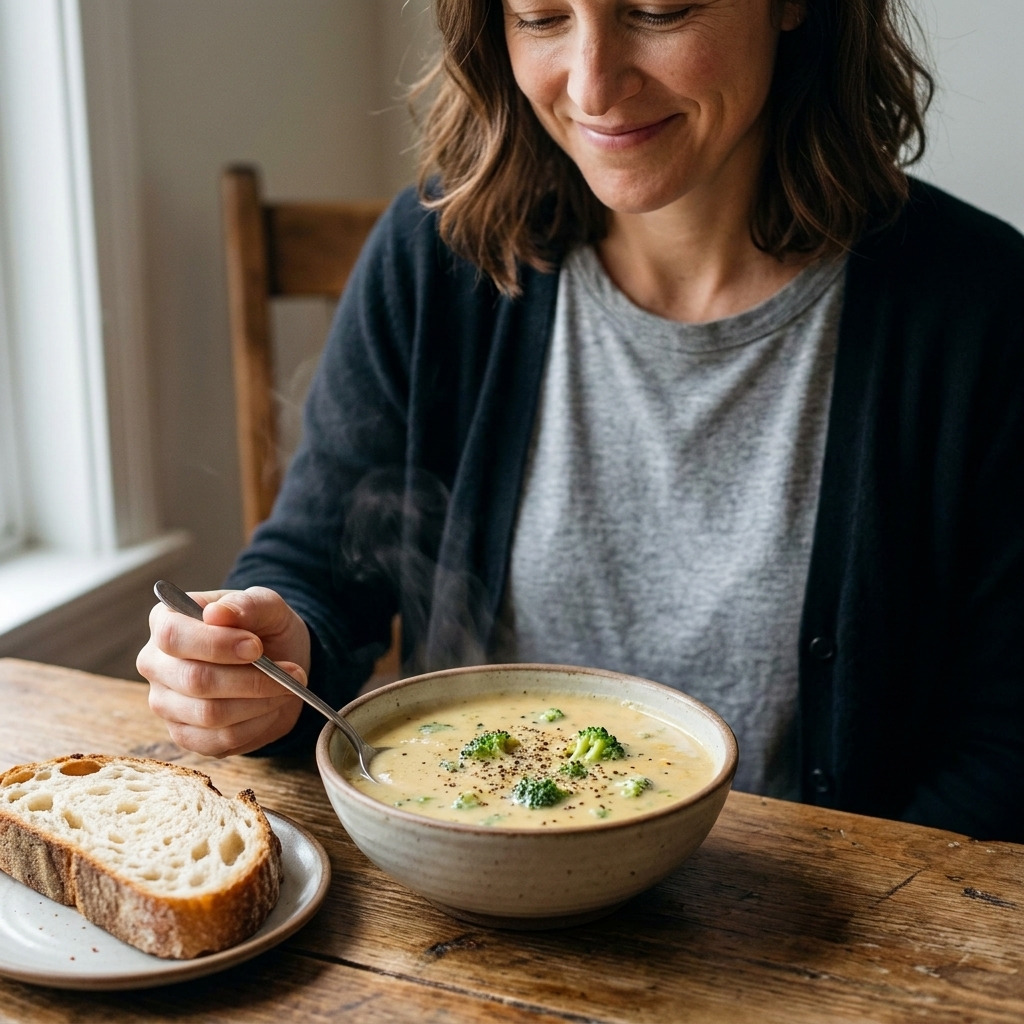
Cheesy vegan potato soup
Potato soup is my favorite place to use this duo because potatoes are already naturally velvety. Nutritional yeast and miso make it taste rich without feeling heavy.
Best potatoes
- Yukon Gold: creamy and buttery.
- Russet: fluffy and thickening.
- Mixing both: my ideal texture, especially if you like a thicker soup.
Get the texture right
- Sauté onion in olive oil until lightly golden.
- Add garlic, then diced potatoes and broth. Simmer until very tender.
- Blend only part of the soup, or mash with a potato masher for a rustic bowl.
- Stir in nutritional yeast slurry and warm gently.
- Take the pot off the boil, then add tempered white miso.
- Finish with black pepper and a squeeze of lemon.
Optional cozy add-ins: corn, chopped kale, sautéed mushrooms, or a handful of shredded vegan cheese if you use it. With the yeast and miso, you will need less store-bought cheese than you think.

Problems and fixes
It tastes flat
- Add a pinch more salt only after the miso is in, since miso brings salt.
- Add acidity: 1 teaspoon lemon juice or vinegar at a time.
- Add mustard or a pinch of smoked paprika for depth.
It tastes bitter or harsh
- Back off the nutritional yeast slightly next time, and add it as a slurry.
- Make sure your onions are actually softened and lightly browned. Raw onion flavor can read as harsh.
- Add a splash of unsweetened plant milk or a spoonful of cashew cream to round it out.
The miso flavor disappeared
- Do not boil miso. Temper it and stir it in off the heat so its aroma stays intact.
- Use white miso for a gentle, creamy soup. Darker miso can be too assertive in cheddar style soups.
The soup is grainy
- Blend longer than you think if you used cashews.
- If you used flour, simmer the soup for a few extra minutes after adding nutritional yeast so the starch fully hydrates.
- Whisk nutritional yeast with warm liquid first so it dissolves.
Leftover magic
This is where my upstate New York winter brain kicks in. If you are already making a pot of soup, let it do double duty.
- Broccoli cheddar style leftovers: thin with a bit of broth and toss with pasta for a quick stovetop mac. Add peas or spinach and call it dinner.
- Potato soup leftovers: use as a sauce for baked potatoes, or stir in roasted cauliflower and reheat gently for a brand-new bowl.
- Reheating rule: warm over low heat. If you need to perk up the flavor, add a small fresh spoon of tempered miso at the end.
Quick cheat sheet
- Nutritional yeast: whisk into warm broth or plant milk first, then stir into soup and heat gently.
- White miso: dissolve in a ladle of hot soup, then stir in off the boil.
- Most cheddar style soups like: mustard, black pepper, and a small splash of acid at the end.
- Start small: these are good starting points for a 6 to 8 cup pot, and you can always add more. It is harder to take it back once the pot is salty.
One more note if you cook for allergies: miso is usually made with soy, and some miso contains barley or other grains. If you need gluten-free, check the label.
If you try this method once, you will start reaching for white miso the same way you reach for salt. It is the quiet little spoonful that makes a vegan soup taste like it has a secret.