In my upstate New York kitchen, lentil stew is one of those reliable, warm-you-right-up dinners that feels like it should be complicated and somehow never is. The one heartbreak is when you aim for cozy and hearty and end up with a pot of lentil mush. It happens, especially if you grab the wrong lentil or crank the simmer like you are boiling pasta.
Today we are keeping things sturdy and spoonable: lentils that hold their shape, broths that turn silky without turning starchy, and ten variations you can rotate through all season. (That “starchy” thing usually shows up when lentils split from a hard boil or too much stirring and start shedding into the broth.)
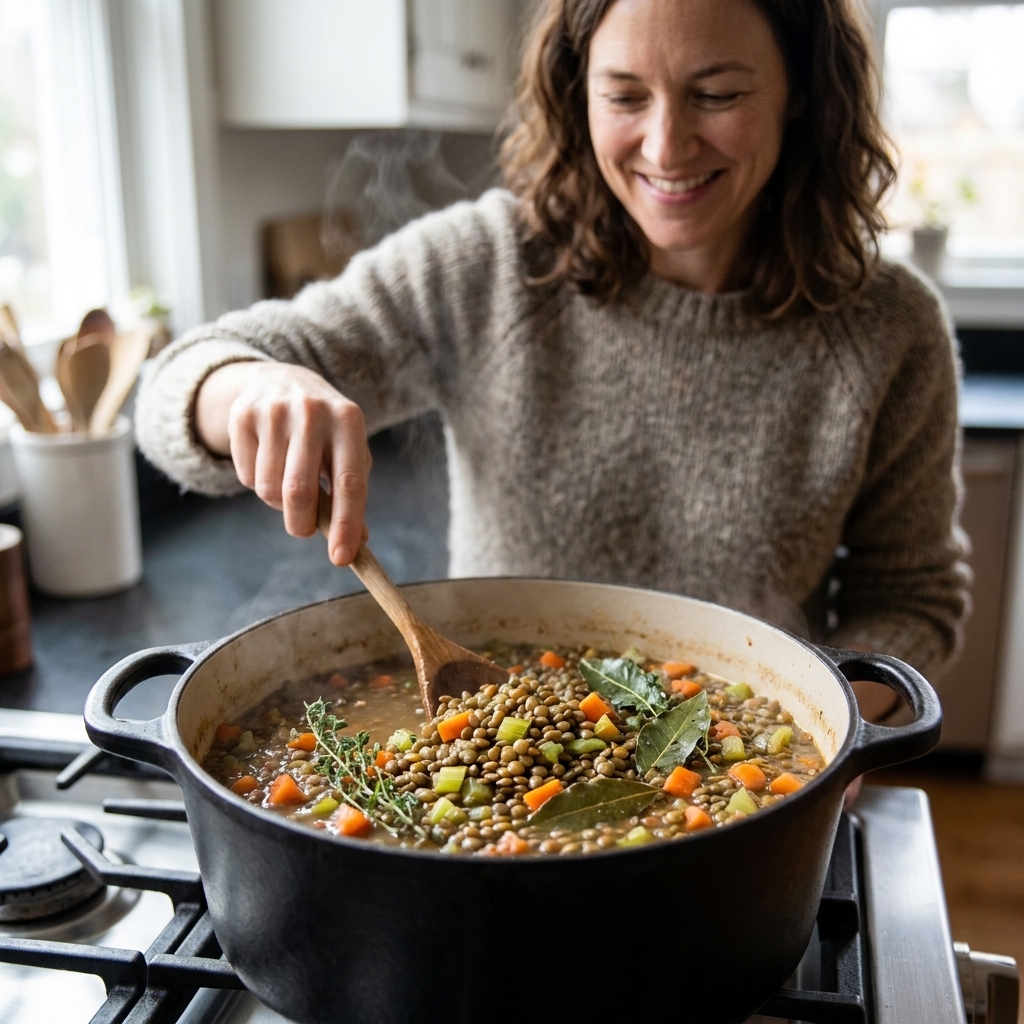
The lentils that stay intact
Not all lentils are trying to be the same thing. Some are built to break down and thicken (hello, red lentils), and some are happiest staying distinct in a long simmer. If your goal is texture, start here.
- French green lentils (Puy): My top pick for “firm but tender.” They have a peppery edge and stay beautifully separate. If you can find true Le Puy lentils, they tend to cook especially evenly and keep their shape like champs.
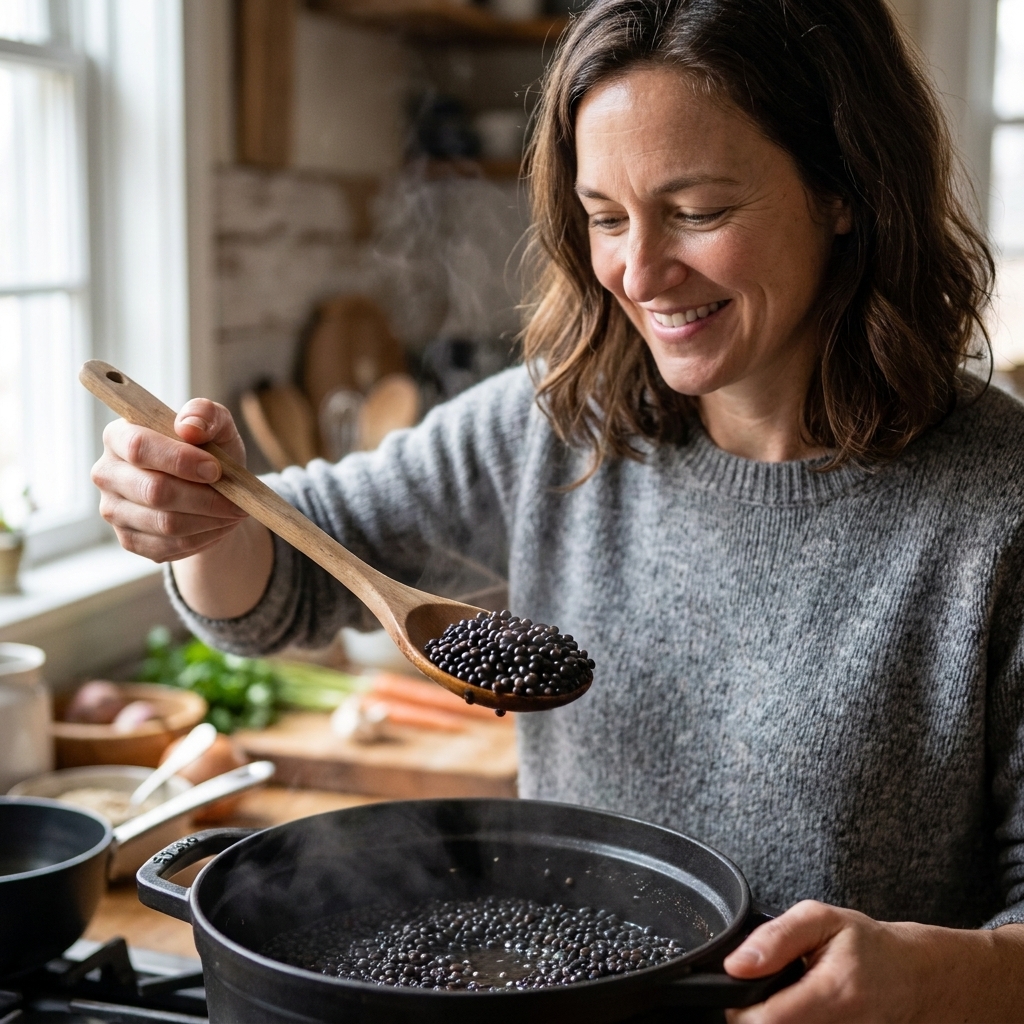
- Black Beluga lentils: Small, glossy, and very good at holding shape. They look dramatic in the bowl and cook fairly quickly.
- Regular green lentils: A little bigger and more rustic than Puy, still shape-holding. Great for budget-friendly big batches.
- Brown lentils: The everyday workhorse. They can soften more than Puy, but with a gentle simmer they still keep their identity. (If yours are very small or a bit split, expect them to cook faster.)
Save these for purée-style stews: red and yellow lentils. They are wonderful, just not the texture mission today.
The anti-mush rules
These are the small choices that make a big difference. I follow them whether I am making a classic pot of lentils or a clean-out-the-fridge situation.
- Simmer, do not boil. Keep it at a gentle bubble. A hard boil bashes lentils around and encourages splitting.
- Start with a simple ratio. For stew, I start at about 1 cup lentils to 3 cups broth or water, then add more as needed to keep them comfortably covered. (Some lentils drink more, some less, and older lentils are thirstier.)
- Salt is not the enemy. Salt your base early so the whole pot tastes seasoned.
- Add acidic ingredients late. Tomatoes, vinegar, lemon, and wine can slow softening, especially with older lentils or mineral-heavy water. Add acid in the last 10 to 15 minutes, then adjust.
- Cook aromatics first. Sweat onions, carrots, and celery in oil until they smell sweet. You build flavor without overcooking the lentils.
- Stir gently. Stirring is fine, just do it like you are tucking the lentils in, not whisking gravy.
- Rest before serving. Let the pot sit off heat 10 minutes. The stew thickens, flavors settle, and the lentils finish tendering without agitation.
Timing guide
Timing varies by brand, freshness, and whether your “French green” lentils are true Puy or French-style. This will get you in the right neighborhood for stews with a gentle simmer.
- French green (Puy): 25 to 35 minutes
- Black Beluga: 20 to 30 minutes
- Green lentils: 30 to 40 minutes
- Brown lentils: 25 to 35 minutes
My kitchen tip: If your lentils are older (that bag that has been hanging out in the pantry since last soup season), expect longer cook times and slightly less even texture. Still totally usable, just plan for it. Also, if your lentils refuse to soften, hard water can be the culprit. You may need a longer simmer, a splash more liquid, and a little patience.
10 lentil stew variations
Each variation below assumes a simple lentil stew base: olive oil, onion, carrot, celery, garlic, broth, lentils, and a bay leaf. From there, you get to steer the pot.
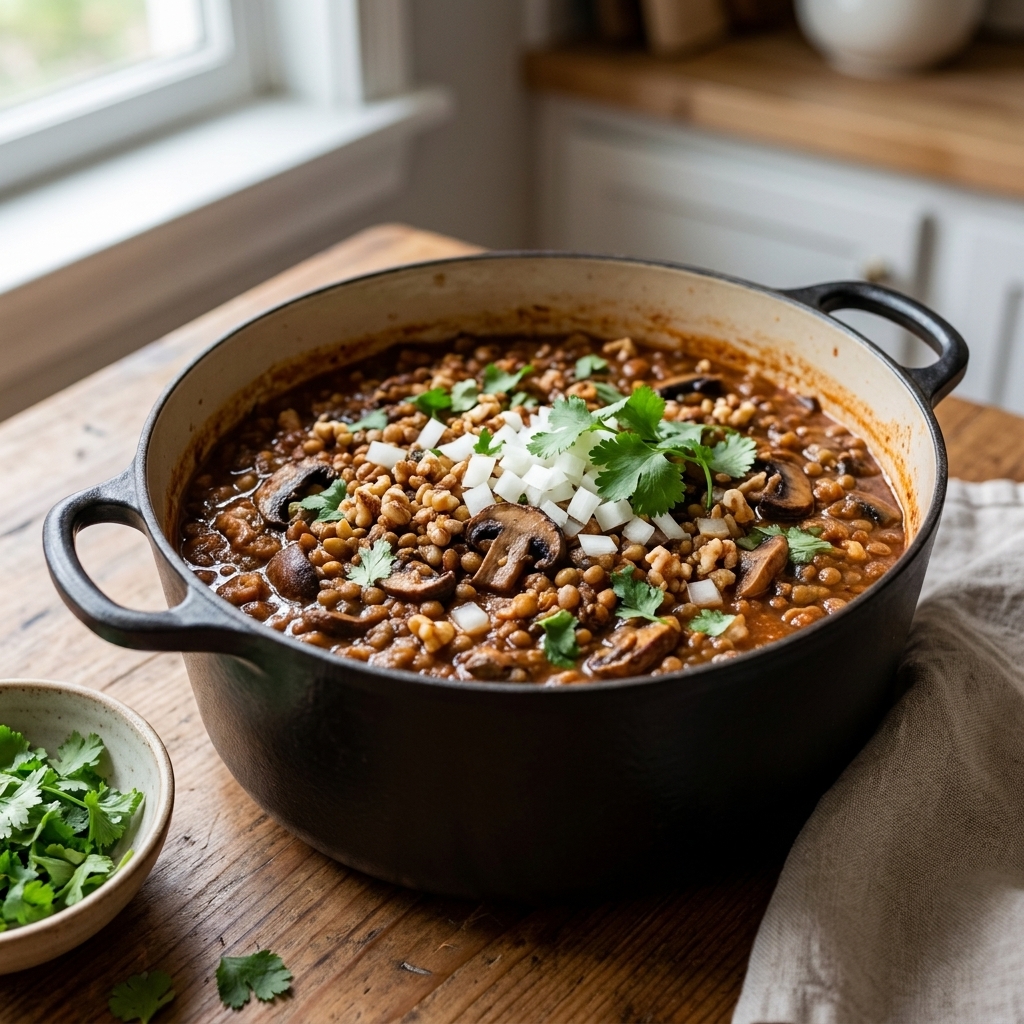
1) French lentil and mushroom (Puy)
This one tastes like a rainy Sunday even on a Tuesday. Use cremini or baby bella mushrooms and let them brown hard before adding liquid.
- Lentil: French green (Puy)
- Flavor builders: thyme, a spoonful of miso stirred in at the end, black pepper
- Texture trick: brown mushrooms in batches so they sear instead of steam
2) Lemon herb (Beluga)
Beluga lentils stay neat and elegant, perfect with bright herbs.
- Lentil: Black Beluga
- Stir in at the end: lemon zest and juice, chopped parsley, a drizzle of good olive oil
- Optional add-ins: chopped olives, baby spinach
3) Smoky chipotle sweet potato (Green)
Sweet potato makes it hearty, chipotle makes it cozy. Keep the cubes big so they do not vanish.
- Lentil: Green lentils
- Flavor builders: smoked paprika, chipotle in adobo (start small), cumin
- Texture trick: add sweet potato halfway through so it stays intact
4) Ginger coconut with greens (Beluga)
Coconut milk makes the broth lush without relying on blended lentils.
- Lentil: Black Beluga
- Flavor builders: ginger, garlic, curry powder or mild curry paste
- When to add: stir in coconut milk near the end, then fold in kale or chard to wilt
5) Rustic Italian rosemary (Brown)
Think of this as the stew you want next to a hunk of crusty bread. Rosemary is powerful, so use a light hand.
- Lentil: Brown lentils
- Flavor builders: rosemary, fennel seed, a parmesan-style vegetarian hard cheese rind if you use dairy
- Finish: splash of balsamic vinegar right before serving
6) North African spiced (Puy)
Warm spices, a little sweetness, and just enough heat. This is fantastic for meal prep because it gets even better overnight.
- Lentil: French green (Puy)
- Flavor builders: cumin, coriander, cinnamon, harissa or cayenne
- Add late: diced dried apricots or raisins in the last 10 minutes
7) Tomato and roasted red pepper (Green)
Tomato-based lentil stew can go either way: undercooked or mushy. The fix is timing and a gentle simmer.
- Lentil: Green lentils
- How to do it: simmer lentils mostly in broth first, then add crushed tomatoes and roasted red peppers near the last 15 minutes
- Finish: basil and a squeeze of lemon
8) Caramelized onion and mustard (Puy)
If you love deep, savory sweetness, take the extra time to caramelize the onions properly. That is the cozy backbone of the whole pot.
- Lentil: French green (Puy)
- Flavor builders: caramelized onions, Dijon mustard stirred in at the end
- Texture trick: keep simmer gentle and do not over-stir once lentils are tender
9) Veggie sausage (Brown or Green)
A great weeknight stew when you want that classic sausage-and-lentil vibe without meat. Use your favorite plant-based sausage and brown it well.
- Lentil: Brown or green
- Flavor builders: smoked paprika, garlic, oregano
- Timing: brown sausage first, remove, then add back at the end so it stays springy
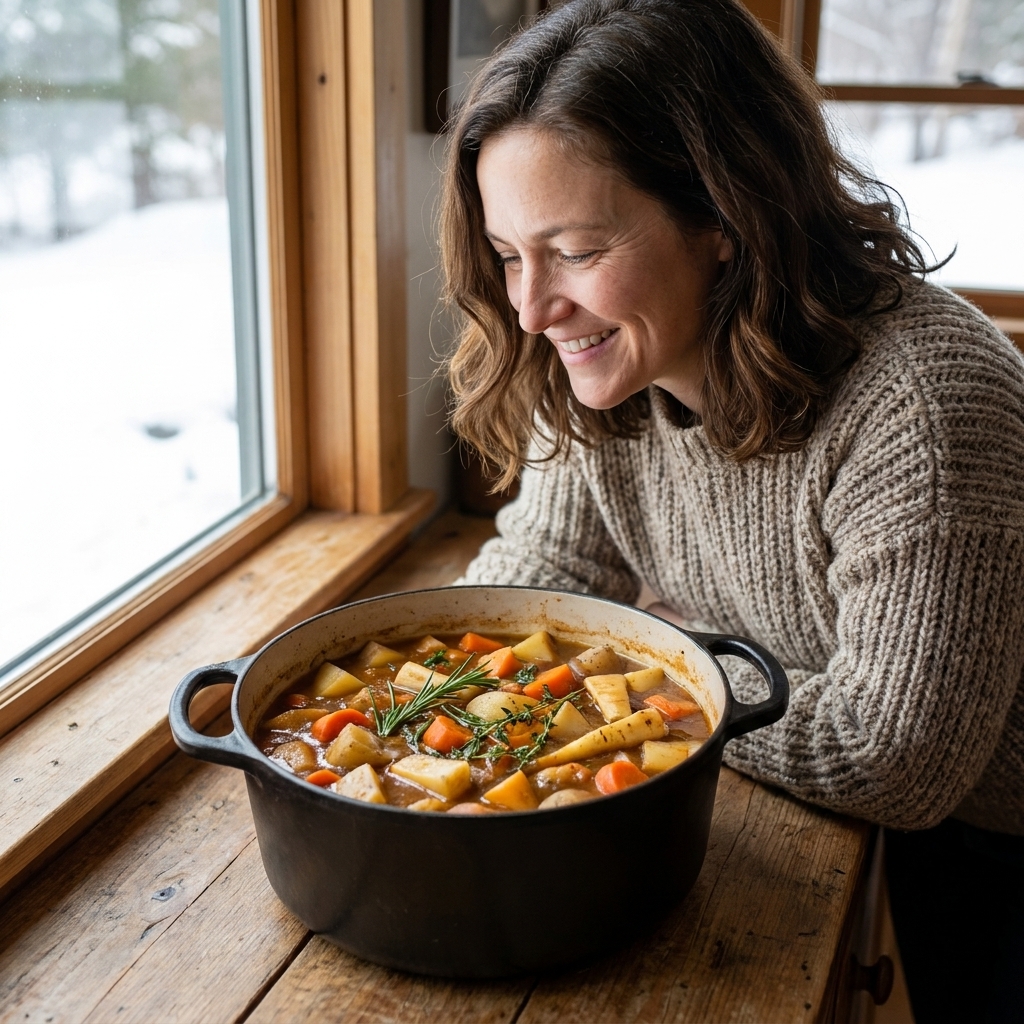
10) Root vegetable clean-out (Puy or Green)
This is my cook once, eat twice hero. Use what you have, just be mindful of how fast each vegetable cooks.
- Lentil: French green (Puy) for maximum structure, green for a little softer comfort
- Great add-ins: parsnips, turnips, rutabaga, mushrooms, cauliflower florets
- Smart sequencing: add quick-cooking veggies (zucchini, spinach, peas) in the last 5 to 10 minutes

Thicken without overcooking
If your stew tastes great but feels too brothy, you do not need to simmer it into oblivion.
- Scoop and smash: Ladle out 1 cup of lentils and broth, mash with a fork, then stir back in.
- Reduce the broth: Remove the lid and simmer gently for 5 to 10 minutes, stirring occasionally.
- Add body: A diced potato (added early) or a spoonful of tomato paste (added with the aromatics) adds thickness without sacrificing lentil texture.
- Finish with fats: A swirl of olive oil, a pat of butter, or coconut milk makes the broth feel thicker even if the volume stays the same.
Storage and leftovers
Lentil stew is a meal-prep dream, especially the firm varieties.
- Cool and store safely: Cool the pot quickly and refrigerate within 2 hours.
- Fridge: 4 to 5 days in a sealed container.
- Freezer: 2 to 3 months. Thaw overnight in the fridge for best texture.
- Reheat gently: Warm over medium-low with a splash of broth or water. Avoid aggressive boiling.
- Leftover remix: Spoon thick stew over baked potatoes, fold into a grain bowl, or thin with broth and add greens for a brand-new soup.
FAQ
Do I need to soak lentils for stew?
No. Lentils cook fairly quickly and soaking is not necessary. Rinse them, pick out any tiny stones, and you are good to go.
Why are my lentils still hard even after simmering?
Most often it is one of four things: your lentils are older, your stew is acidic early on (tomatoes, vinegar, lemon, wine), you are not quite at a steady simmer, or your water is very mineral-heavy. Bring it to a gentle simmer, keep it there, and add acidic ingredients later.
Should I use vegetable broth or water?
Vegetable broth gives you a head start on flavor. Water works too if you build a strong base with sautéed aromatics, tomato paste, spices, and a good pinch of salt.
What is the best lentil for a long-simmered stew?
French green lentils (Puy) are my favorite for longer simmers because they stay distinct and pleasantly firm.